




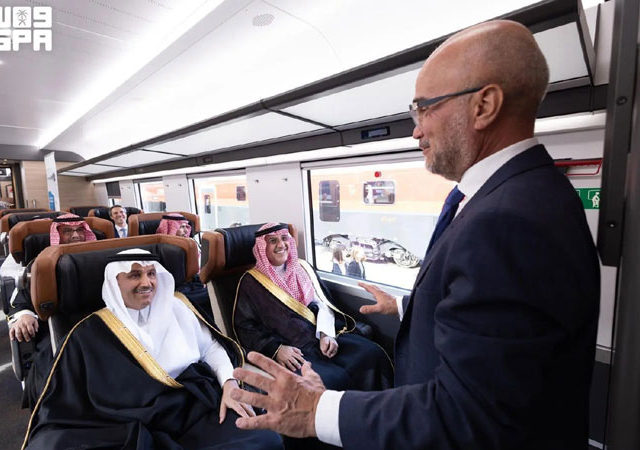

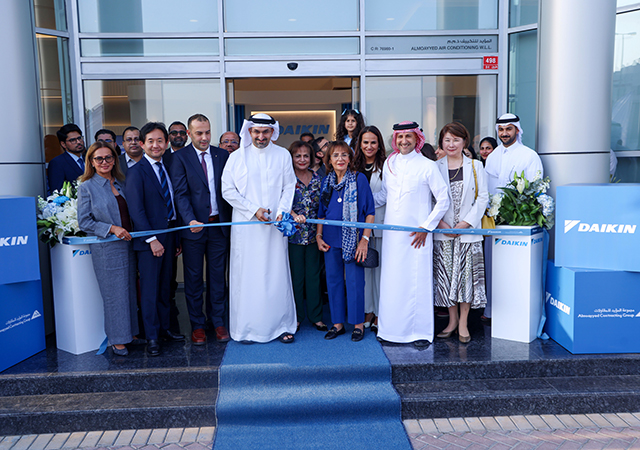

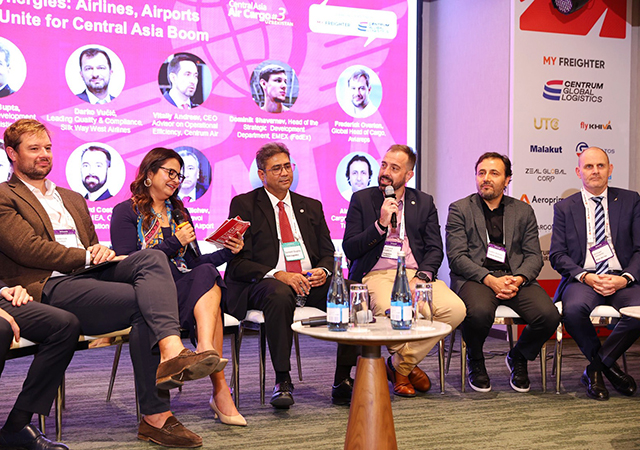





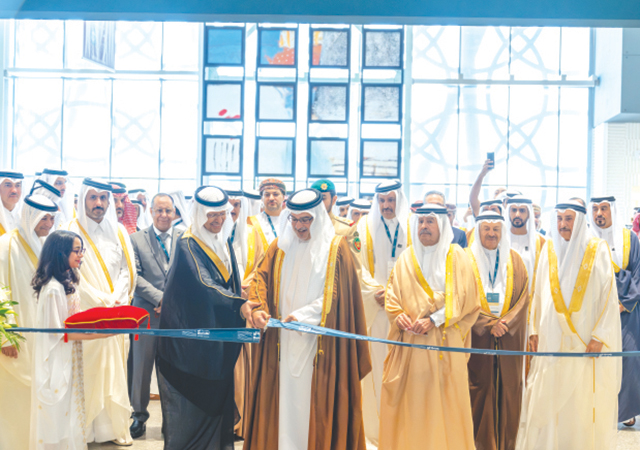
 HRH the Crown Prince and Prime Minister opens the forum
Gulf leaders and industry stakeholders gathered in Bahrain to champion deeper manufacturing integration, stronger regional supply chains and a more resilient industrial ecosystem capable of competing on the global stage.
The inaugural Made in GCC Forum and Exhibition 2026 opened in Bahrain, last week with a strong call for deeper industrial integration, supply chain resilience and greater regional manufacturing collaboration across the Gulf.
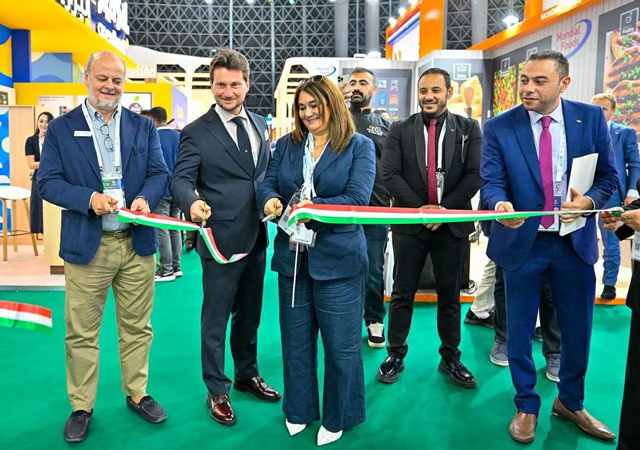
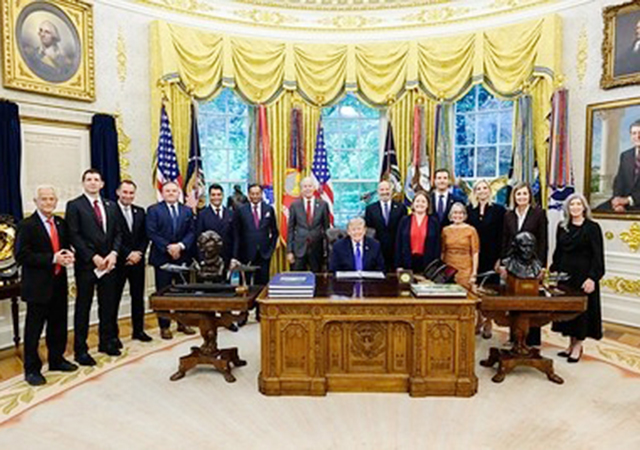
Held under the patronage of His Majesty King Hamad, the three-day event was officially inaugurated by His Royal Highness Prince Salman bin Hamad Al Khalifa, Crown Prince and Prime Minister, at Exhibition World Bahrain on October 6. In his opening remarks, HRH Prince Salman reaffirmed Bahrain’s commitment to advancing Gulf co-operation, describing industrial integration as a key pillar for strengthening competitiveness, expanding industrial partnerships and supporting sustainable economic growth across GCC member states.
He emphasised the importance of accelerating technological adoption, innovation and advanced manufacturing capabilities as the region works to diversify its economies and enhance the contribution of industry to GDP.
The forum brought together ministers, policymakers, industry leaders and international trade representatives to discuss the future of manufacturing, investment and regional value chains. A recurring theme throughout the sessions was the need to transform recent geopolitical and supply chain disruptions into opportunities for long-term economic integration.
Addressing delegates, Bahrain’s Industry and Commerce Minister Abdulla bin Adel Fakhro urged GCC countries to move beyond isolated national industries and focus on building integrated regional value chains. He highlighted the Gulf’s collective economic strength, noting that the GCC economy exceeds $2.4 trillion and intra-regional trade has reached $146 billion, while annual imports stand at around $600 billion.
“How many of the products and materials we import today could be manufactured in the Gulf?” he asked, calling for greater localisation and industrial collaboration.
GCC Secretary-General Jasem Al Budaiwi said the bloc’s manufacturing sector now includes more than 22,000 factories employing 1.1 million workers and contributes approximately 13 per cent of regional GDP. He stressed that harmonised industrial policies and unified strategies would enable GCC countries to achieve far more collectively than individually.
Supply chain resilience featured prominently during a high-level discussion between Bahrain’s Finance and National Economy Minister Shaikh Salman bin Khalifa Al Khalifa and Saudi Arabia’s Energy Minister and Minister of Industry and Mineral Resources Prince Abdulaziz bin Salman Al Saud. Prince Abdulaziz said recent regional security challenges had reinforced the importance of creating integrated industrial ecosystems capable of withstanding external shocks. He highlighted closer Gulf co-operation, infrastructure links and innovation as essential ingredients for future resilience.
Panel discussions also explored investment, export growth and industrial financing. Speakers highlighted the role of regional cargo rail networks, digital trade platforms and mutual recognition of In-Country Value programmes in reducing barriers to trade and strengthening cross-border supply chains.
Officials pointed to manufacturing’s growing economic importance across the Gulf. In Bahrain, the sector has overtaken oil and gas to become the country’s second-largest contributor to GDP after financial services, reflecting broader efforts to diversify economies and develop value-added industries.
International participants also underscored the GCC’s growing attractiveness as a manufacturing and innovation hub. The UK’s Trade Commissioner for the Middle East and Pakistan, Gemma Stevenson, noted that the planned UK-GCC Free Trade Agreement could increase trade by 20 per cent, creating new opportunities for Gulf manufacturers to expand into global markets.
The forum concluded with further discussions on infrastructure, sustainability, smart factories, industrial partnerships and workforce development, reinforcing the GCC’s ambition to build a more connected, resilient and globally competitive industrial sector.