

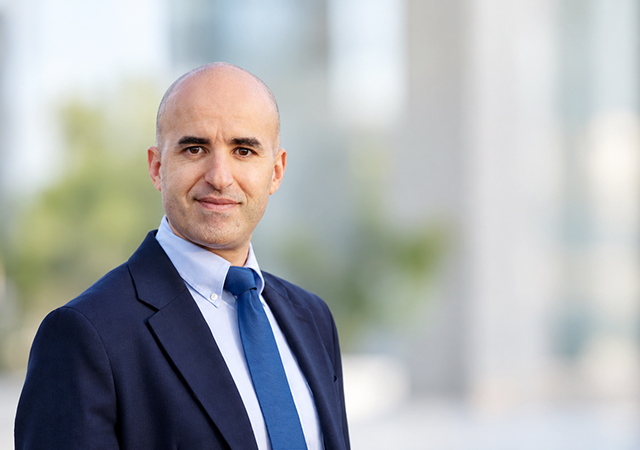
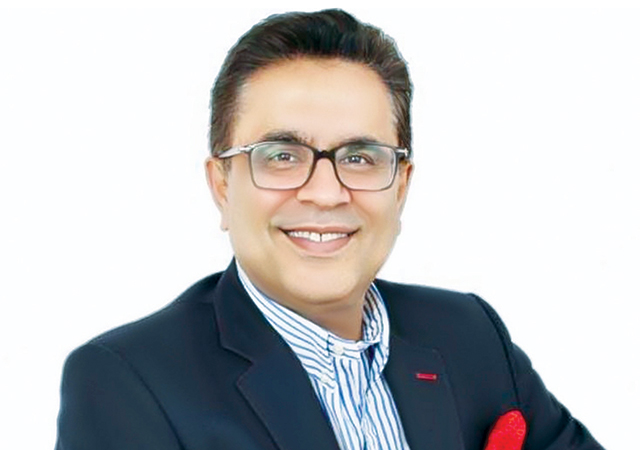
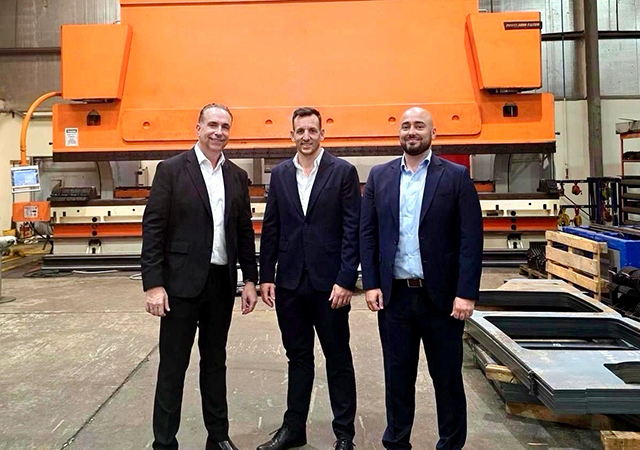

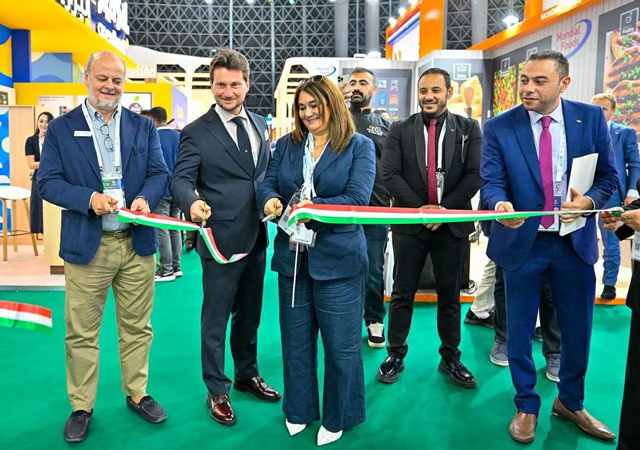

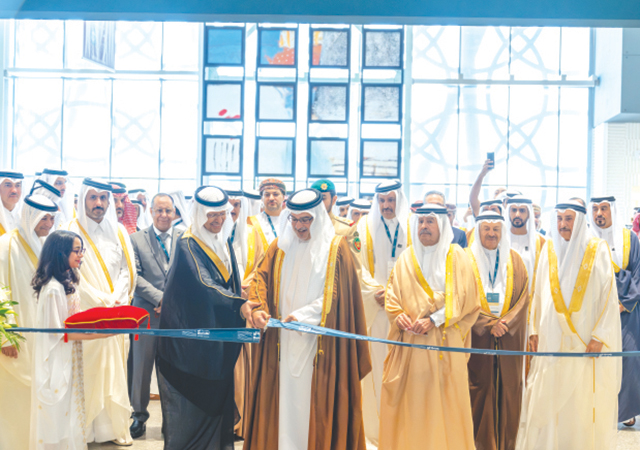
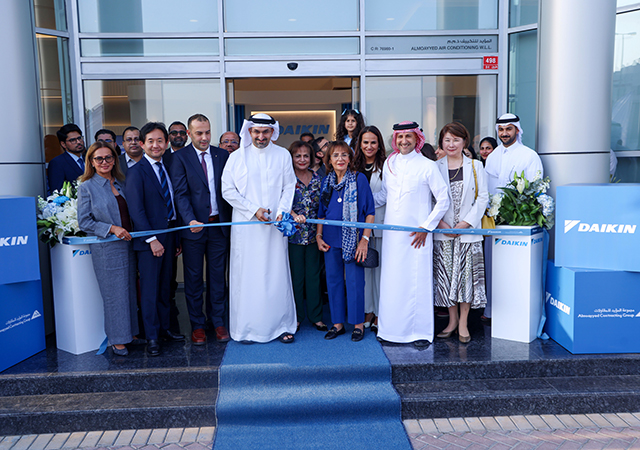




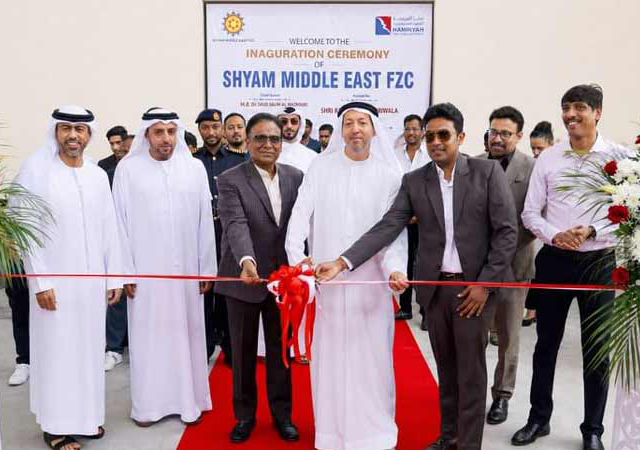

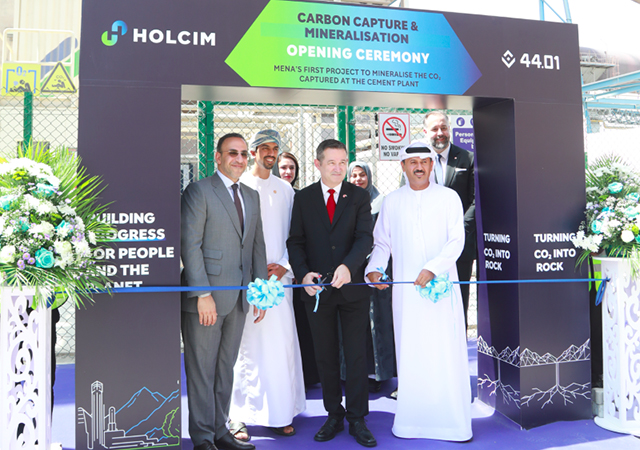
 Officials at the ribbon-cutting ceremony
The UAE has taken a significant step towards industrial decarbonisation with the commissioning of the country’s first live-condition carbon capture and underground mineralisation pilot for the cement industry.
Located at Holcim UAE’s Emirates Cement Plant in Fujairah, the project combines carbon capture technology with permanent carbon mineralisation, offering a new pathway to reduce emissions from one of the world’s most carbon-intensive industries. Developed in partnership with climate technology company 44.01, the facility captures carbon dioxide from the plant’s active flue gas stream and stores it underground within Fujairah’s naturally occurring ultramafic rock formations.
Unlike conventional carbon storage methods that rely on transportation and long-term containment, the captured CO² is injected directly into subsurface rock formations, where it reacts naturally and mineralises into solid rock within months to years. The process permanently locks away carbon, delivering a long-term solution for emissions reduction.
The facility is designed to capture between four and 4.5 tonnes of CO² per day. While modest in scale, the project’s importance lies in proving that carbon capture and mineralisation can operate successfully alongside live cement production without affecting efficiency or product quality.
Since commencing operations under industrial conditions in July 2026, the pilot has demonstrated the technical and operational feasibility of integrating carbon removal technologies into heavy manufacturing processes. Its success is being viewed as a blueprint for wider deployment across hard-to-abate sectors in the UAE and the broader Gulf region.
Cement production remains a major challenge for decarbonisation efforts because a significant proportion of emissions is generated during the chemical process of making cement itself. As governments and industries pursue net-zero targets, technologies capable of permanently removing these emissions are becoming increasingly important.
The Fujairah project showcases how regional geology can be leveraged to address this challenge. The emirate’s rock formations provide ideal conditions for carbon mineralisation, enabling the permanent storage of captured emissions close to the source. This approach has the potential to be replicated across other industrial sectors, including manufacturing, metals and construction materials.
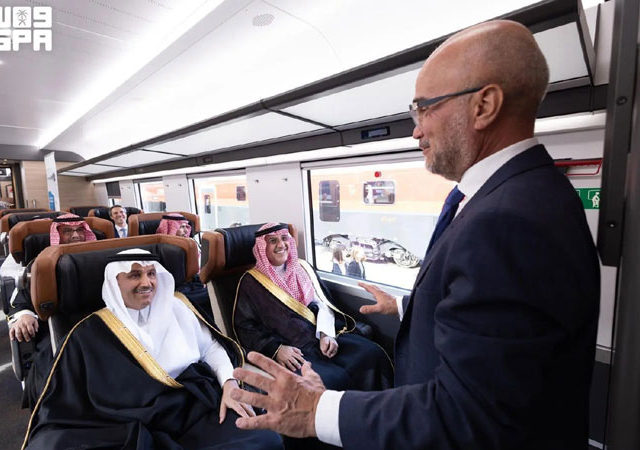
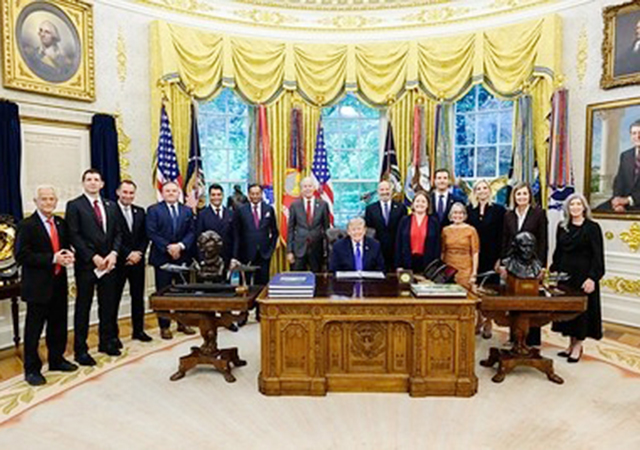
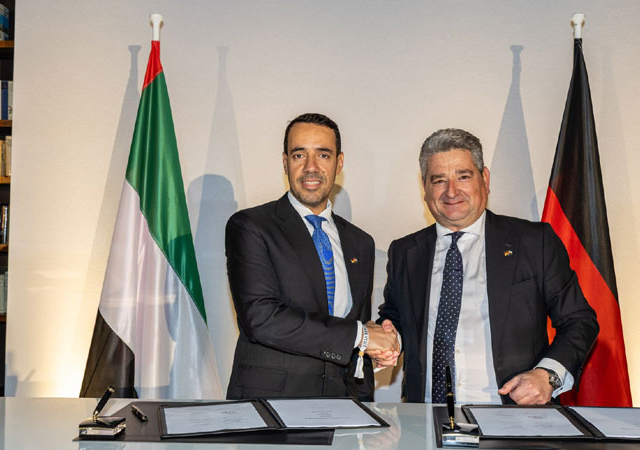
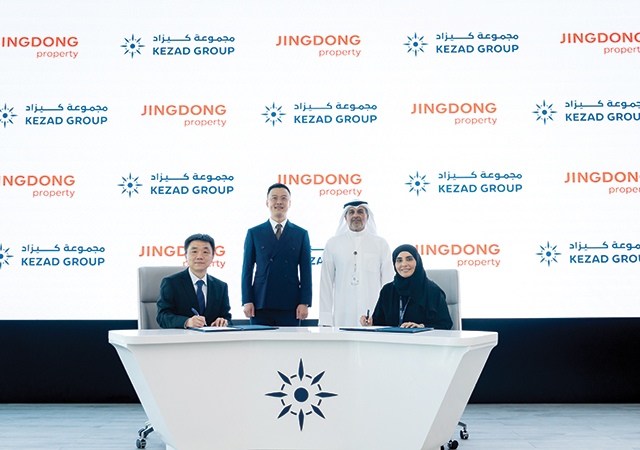
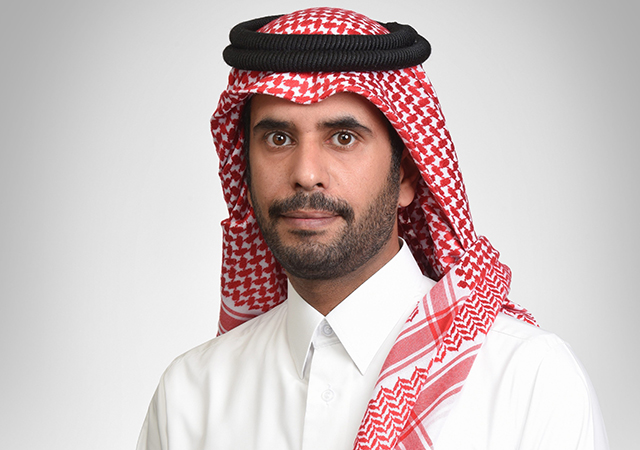
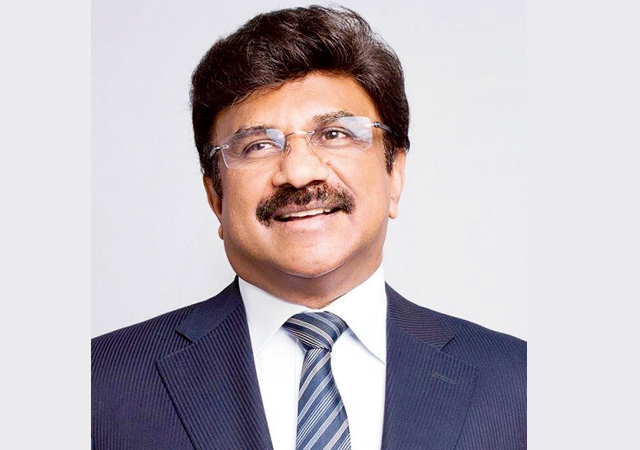
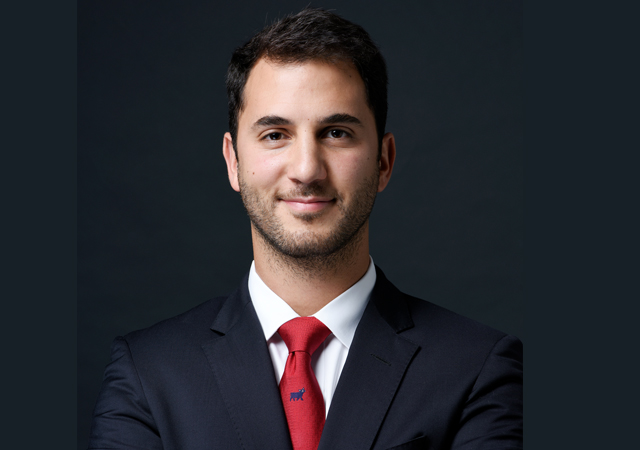
The official commissioning ceremony brought together senior government officials, diplomats and industry leaders, highlighting the growing momentum behind industrial climate solutions in the UAE. Attendees included His Excellency Ali Qasim, Her Excellency the Ambassador of Switzerland, Her Excellency Eng. Ibtisam Ali Alsaadi and Her Excellency Aseela Al Mualla, alongside representatives from key federal ministries and environmental authorities.
“The commissioning of this facility in Fujairah marks a vital step toward sustainable industrial leadership in the UAE,” said His Excellency Ali Qasim. “By turning carbon emissions into permanent rock, this partnership proves how local geology, technology, and innovation can unite to decarbonise sectors and advance our Net Zero 2050 vision.”
For Holcim UAE, the initiative forms part of a broader strategy to develop scalable low-carbon solutions for the construction sector. Ali Said, CEO of Holcim UAE & Oman, described the project as proof that industrial decarbonisation can move beyond ambition and into operational reality.
Meanwhile, 44.01 sees the facility as a model for broader deployment across the region. Founder and CEO Talal Hasan said the project demonstrates how mineralisation can provide a practical and repeatable solution for industrial emissions while helping position Fujairah as a hub for low-carbon manufacturing. n
Supported by organisations including the Fujairah Natural Resources Corporation, Fujairah Environment Authority, NT Energies and Gulf Cryo, the project highlights the role of public-private collaboration in accelerating climate innovation.
More than a pilot facility, the project represents a new approach to industrial carbon management, one that transforms emissions into a permanent geological asset. As industries across the Gulf seek viable pathways to decarbonisation, the Fujairah initiative offers a compelling example of how technology, policy and natural resources can come together to support a lower-carbon future.