







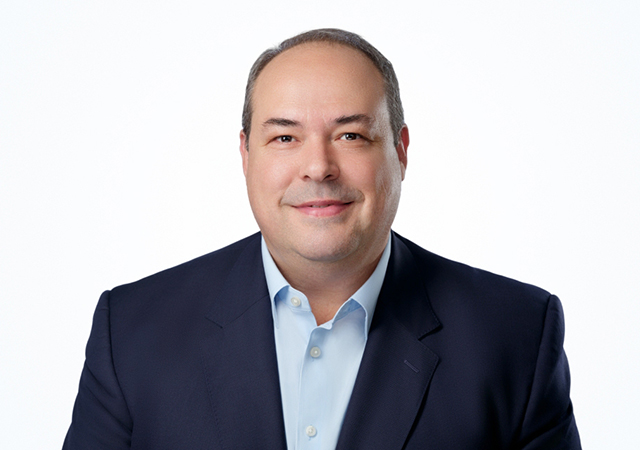







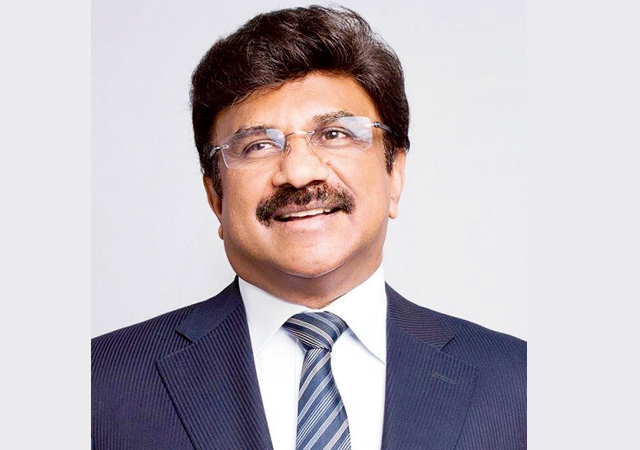
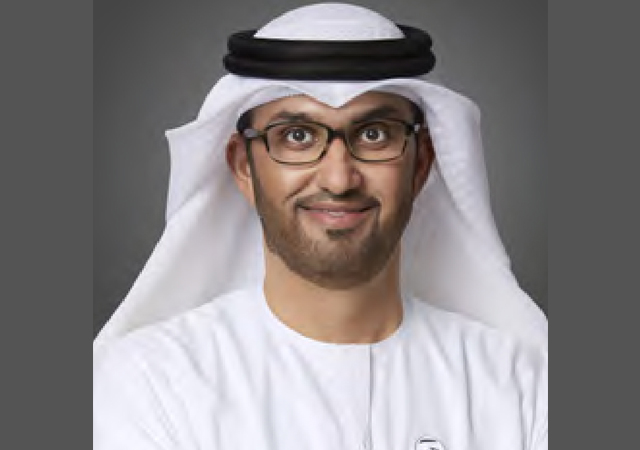
 Boueri – quick, convenient self-service operations will become common
Airport investments in the future are expected to focus on IT solutions that can help airlines improve organisational productivity and efficiency to consolidate IT infrastructure and help achieve lower enterprise cost, says an official serving a firm specialising in air transport and IT solutions.
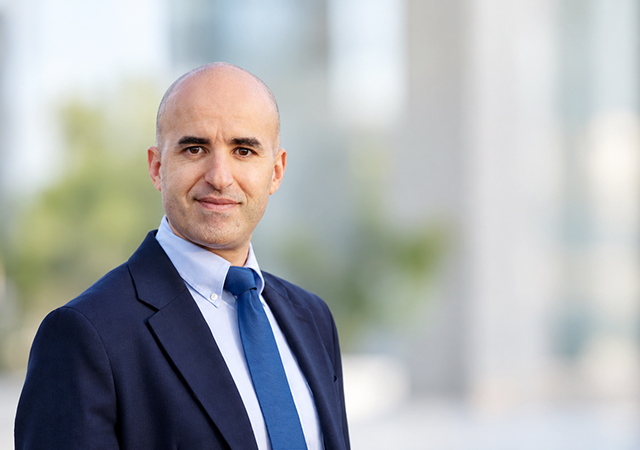
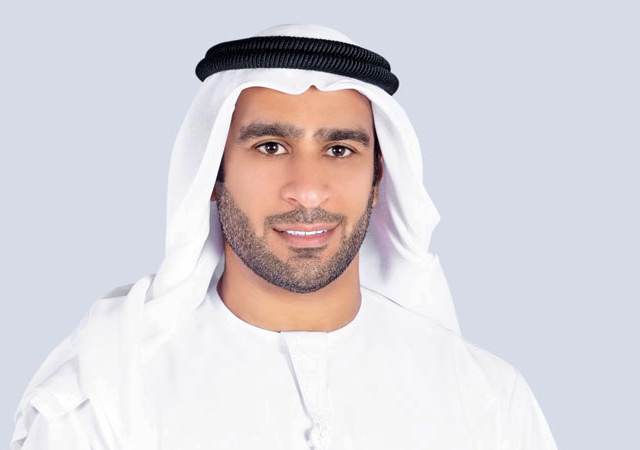
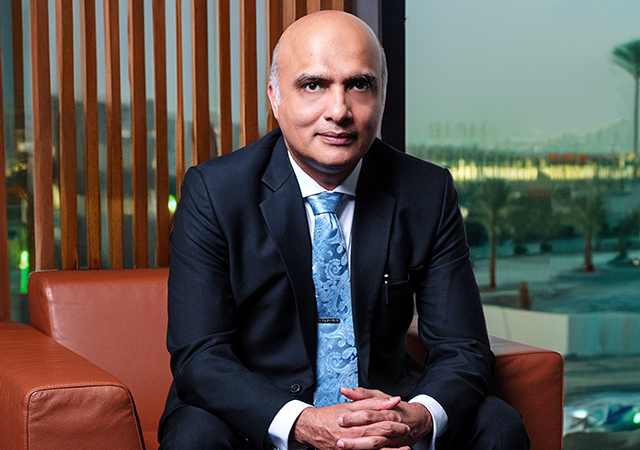
In terms of IT infrastructure, the highest investment priority is expected to focus on passenger processing and services, along with passenger security and aircraft operations investment measures, said Jihad Boueri, Mideast and Turkey director for application services at Sita.
“Advanced airport technology in Middle East airports has been introduced to help facilitate passenger’s journey through airports – to reduce queues and quickly bypass individuals through the check-in system and passport and border control.
“These highly developed innovations bring us the airport of the future –creating an organised and systematic business centre, rather than a rigorous process with frustrating queues,” said Boueri.
Regionally, both Sharjah International Airport and Abu Dhabi International Airport are well on the way to fulfilling investment in passenger processing having installed Common Use Self Service (CUSS) technology to cut down time spent at check-in – with Sharjah Airport even recently announcing the deployment of the world’s first CUSS kiosks with an Arabic interface. Figures out of Sharjah Airport show that it gets around 4,000 passengers everyday in the low season – this figure includes transferred passengers.
From that figure, around 600 passengers use the self check-in every day – with 200 passengers each shift and between 10 and 11 per cent of the airport traffic In the high season, the airport expects that over 1,000 passengers will use the Fast Check each day – around 15 to 20 per cent per cent of the airport traffic.
“Whereas some airport self check-in facilities are only dedicated to one airline, the CUSS implemented in Sharjah and Abu Dhabi can handle multiple airlines with reduced processing times, not to mention the space saving benefits - a perfect solution for airports faced with an increased number of passengers and no more space to accommodate them,” says Boueri.
According to the official, the traditional check-in handles 15 passengers per hour whereas CUSS handles twice that number. By implementing self check-in, productivity at the airport has increased by 40 per cent.
The official also pointed out that traditional check-in counters took up 20 sq m of space per counter whereas CUSS could accommodate a counter within 10 sq m of space.
 |
|
Checking in at Abu Dhabi |
Passenger self service via kiosks may reach almost 100 per cent of all airports by 2012 and now 63 per cent of all airports already have check-in kiosks.
“Self-service check-in has already delivered large savings and efficiency improvements to the industry. IATA’s Fast Travel initiative is promising further savings of $1.6 billion, which includes self-boarding, flight re-booking and bag-recovery,” said Boueri.
The focus today is to improve passenger processing-- most airports plan to implement flight status notification services on passenger mobile phones. Today, 32 per cent of airports already provide this service and the figure will rise to 64 per cent by 2012.
What does the future hold?
Boueri highlighted, on the basis of a Sita survey, how the world would change for travelers in the future:
Travellers will be contacted by SMS to proceed to the gate. Those with baggage will be able to self check-in either online at home or at the self-check kiosk at the airport, generating their own bag tag. When they proceed to the airport, they will drop their baggage at the bag drop. This technology will recognise overweight baggage and they will not be allowed. Passengers can expect to see new security measures in place at the airport including x-rays and automated border control which provides clearance on arrival.

