































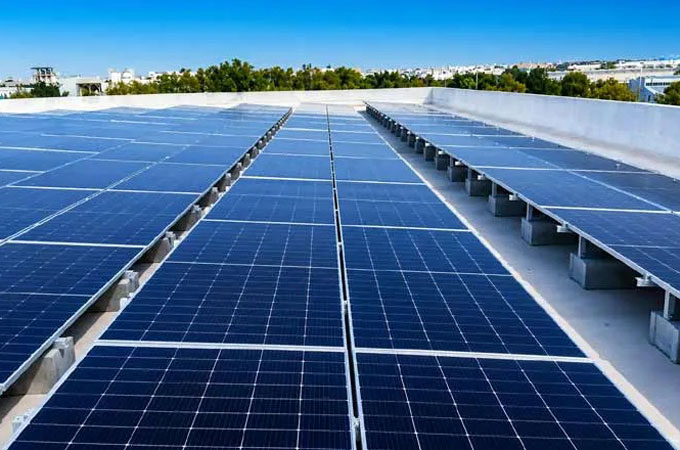
Qatar is accelerating the deployment of utility-scale solar photovoltaics as part of a national strategy to diversify its power mix, reduce domestic gas consumption for power generation, and curb emissions intensity, while maintaining gas-fired generation as the bedrock of system reliability, according to a report by GlobalData.
The solar drive is expected to help lift renewable energy’s share in the country’s total power capacity from 12% in 2025 to 25.9% by 2035, stated the top intelligence and productivity platform in its report.
GlobalData’s latest report, 'Qatar Power Market Trends and Analysis by Capacity, Generation, Transmission, Distribution, Regulations, Key Players and Forecast to 2035,' reveals that the country’s installed power capacity will grow at a CAGR of 4.2% between 2025 and 2035.
Solar PV will be the primary growth engine, expanding at a CAGR of 12.4% over the decade, it stated.
"Qatar’s power sector is shifting from total reliance on natural gas toward a structured hybrid model. Driven by the Qatar National Renewable Energy Strategy, the build-out of major solar facilities such as Al Kharsaah and the recently commissioned plants at Ras Laffan and Mesaieed, alongside the large-scale Dukhan development demonstrate substantial momentum in deploying low-cost clean generation across the peninsula," remarked Attaurrahman Ojindaram Saibasan, Power Analyst at GlobalData.
Despite rapid solar growth, natural gas will remain indispensable to the country’s power and water infrastructure, he noted.
Combined-cycle gas turbines and cogeneration plants underpin Qatar’s Independent Water and Power Project (IWPP) fleet, providing both dispatchable power for extreme summer cooling loads and thermal energy for seawater desalination. Natural gas capacity will continue to expand in absolute terms, accounting for approximately 74% of cumulative capacity in 2035.
Saibasan pointed out that the cogeneration of potable water and power is a structural feature of Qatar’s utility system. Gas-fired IWPP facilities provide critical firming capacity to absorb large influxes of solar energy during midday hours while securing baseload water desalination.
"Expanding flexible gas generation and modernizing grid management are essential prerequisites for accommodating the planned 4GW renewable target by 2030 without compromising system security," he stated.
The policy landscape is centrally directed under the Third National Development Strategy and the Qatar National Vision 2030. Key initiatives include the Qatar National Renewable Energy Strategy, carbon-reduction pledges under the updated Nationally Determined Contribution (NDC), and net-billing regulations introduced by Kahramaa for distributed generation.
Meanwhile, Qatar continues to operate a single-buyer model, under which Kahramaa purchases electricity and desalinated water through long-term agreements, minimizing market risk for project developers and consortium partners.
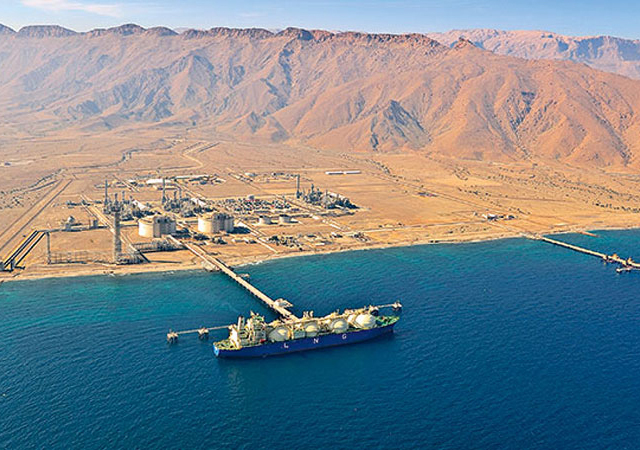
"Qatar is leveraging its world-class solar irradiance and robust balance sheet to free up valuable natural gas volumes for liquefied natural gas (LNG) export markets while decarbonizing its domestic matrix," explained Saibasan.
"Sustaining this pace will require continuing to align renewable integration with IWPP offtake commitments, meeting growing industrial demand, and maintaining high transmission reliability across the National Control Centre and regional GCC interconnection links," he added.-TradeArabia News Service