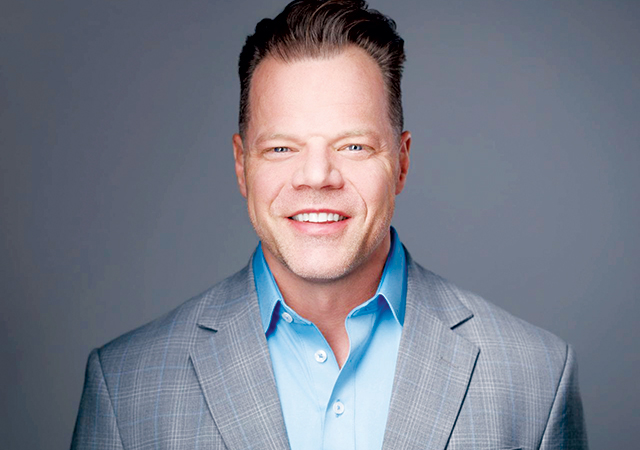

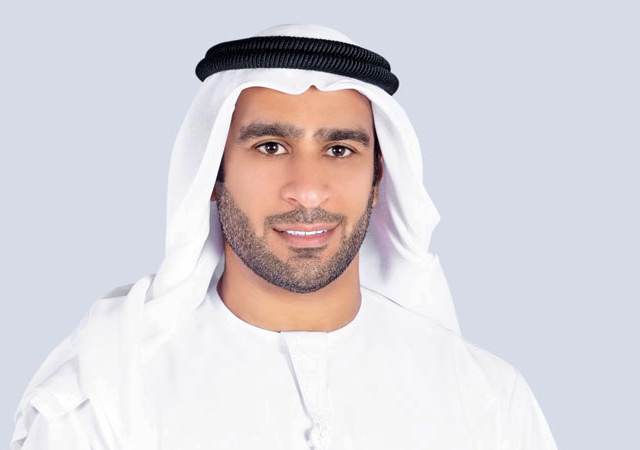
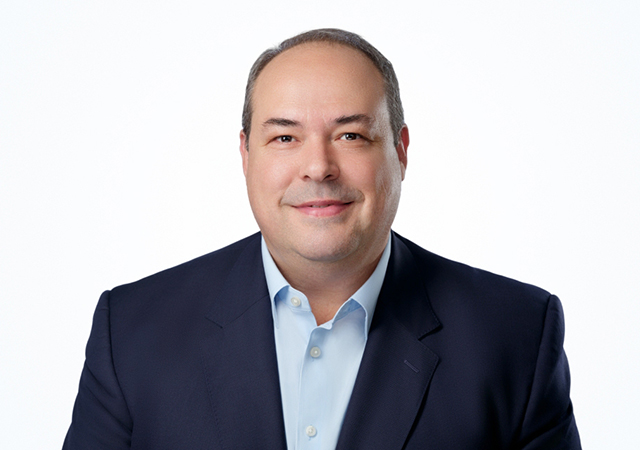


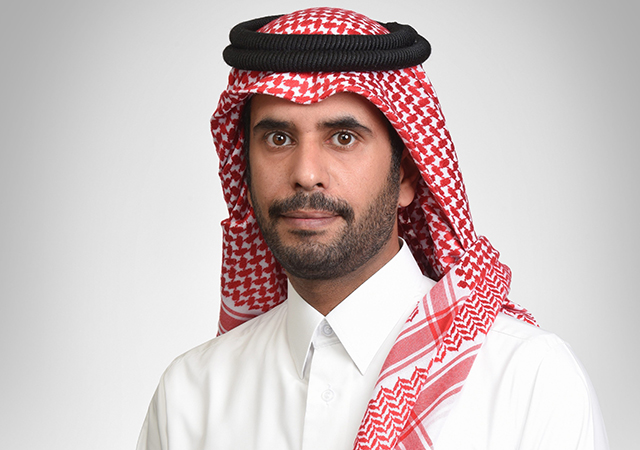
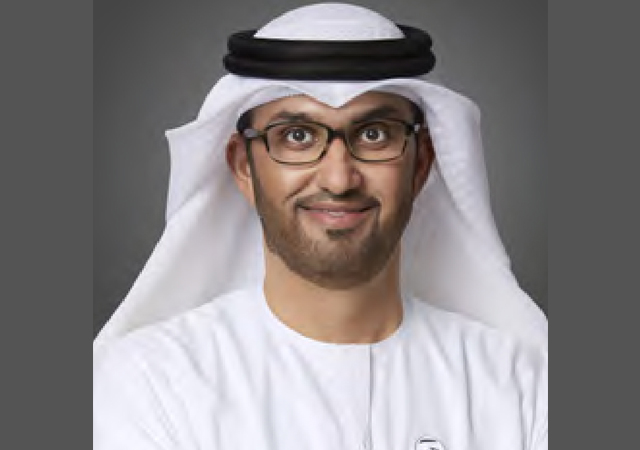
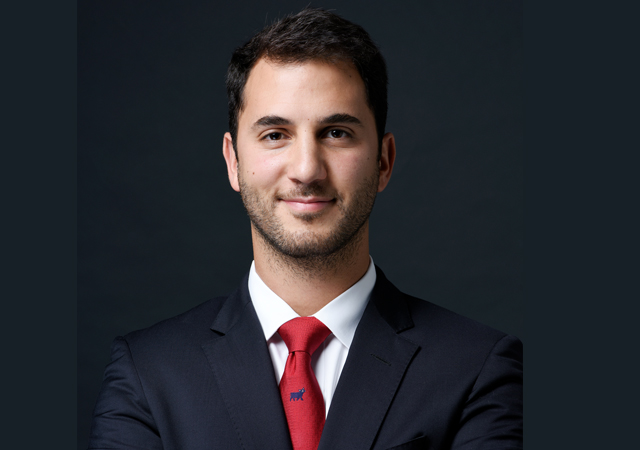
 Sami Huneidi, Executive Committee Member, Gulf Cryo
With Gulf industries racing to decarbonise while expanding production, an unlikely commodity is becoming increasingly critical to the region’s industrial future: carbon dioxide.
Long viewed simply as a by-product of industrial processes, CO² is emerging as a strategic resource underpinning sectors ranging from food and beverage and manufacturing to energy, healthcare and advanced industrial applications. With demand rising across the Gulf and supply reliability becoming a growing concern, Middle Eastern industrial gases leader Gulf Cryo is making one of the region’s biggest bets on the molecule.
The company has announced plans to almost double its liquid CO² production capacity from 700 metric tonnes per day (mtpd) to 1,300 mtpd by the end of 2026, creating a network capable of delivering more than 470,000 tonnes annually across the GCC.
The expansion is being underpinned by long-term carbon capture and recovery projects in the UAE, Saudi Arabia and Kuwait, reflecting a broader shift in the region’s industrial landscape. Rather than treating carbon emissions solely as a compliance challenge, companies are increasingly looking at carbon capture as a source of future industrial value.
By the end of 2026, Gulf Cryo’s CO² production footprint is expected to reach 750 MTPD in Saudi Arabia, 350 mtpd in Kuwait and 200 mtpd in the UAE. The network will also provide supply resilience for neighbouring markets including Qatar, Bahrain and Oman, helping customers navigate seasonal demand spikes, planned maintenance shutdowns and unexpected supply disruptions.
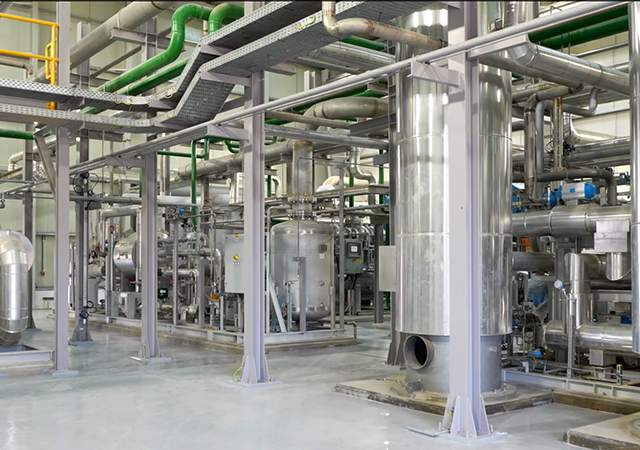
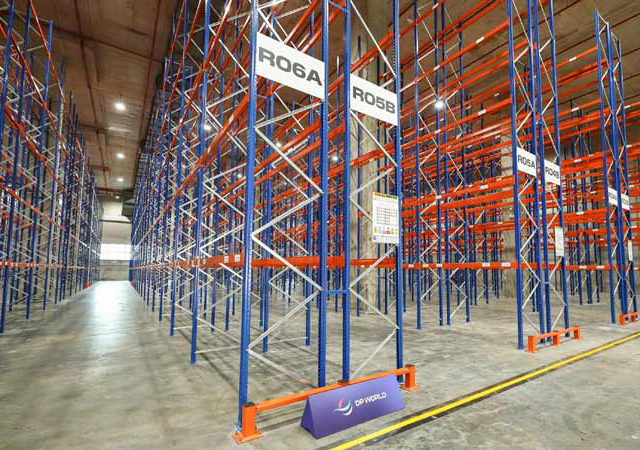
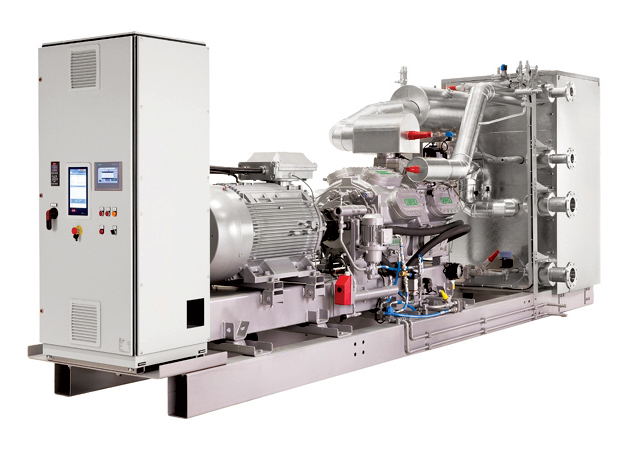
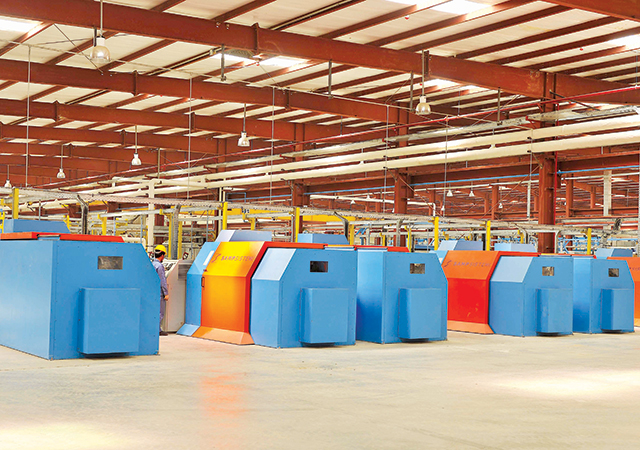
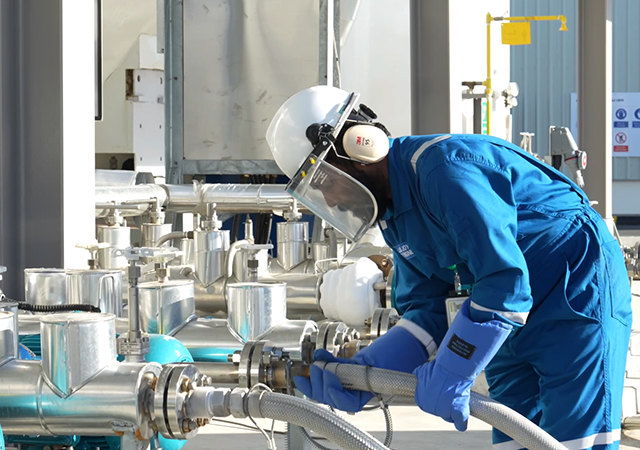
Inside of a Gulf Cryo’s carbon capture plant
The strategy centres on a decentralised production model that combines local manufacturing with regional distribution capabilities. In a market where uninterrupted access to CO² can be critical for operational continuity, the ability to move product across borders provides an increasingly important competitive advantage.
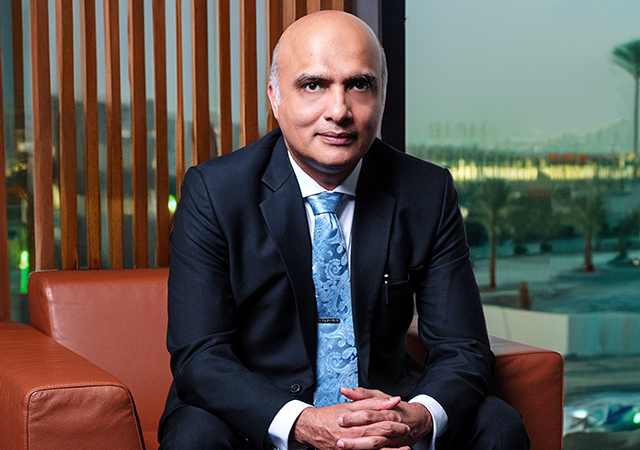
“We have built our CO² supply capacity to meet local and regional demand today and secure future requirements,” said Sami Huneidi, Executive Committee Member responsible for Investments at Gulf Cryo. “As the region’s largest provider of liquid CO², our strategy is to build strong local production capabilities while maintaining the flexibility and backup of our wider regional network,” he added.
Importantly, the announced expansion may only be the beginning. Beyond the 1,300 mtpd already secured for 2026, Gulf Cryo has access to an additional 750 mtpd from existing regional facilities. If activated, total available capacity could exceed 2,000 mtpd, equivalent to roughly 750,000 tonnes annually, positioning the company to respond rapidly as market demand evolves.
Carbon Capture Moves Beyond Compliance
The capacity expansion comes amid growing momentum behind carbon capture, utilisation and storage (CCUS) initiatives across the GCC, where governments and industrial operators are seeking practical pathways to reducing emissions while safeguarding industrial competitiveness.
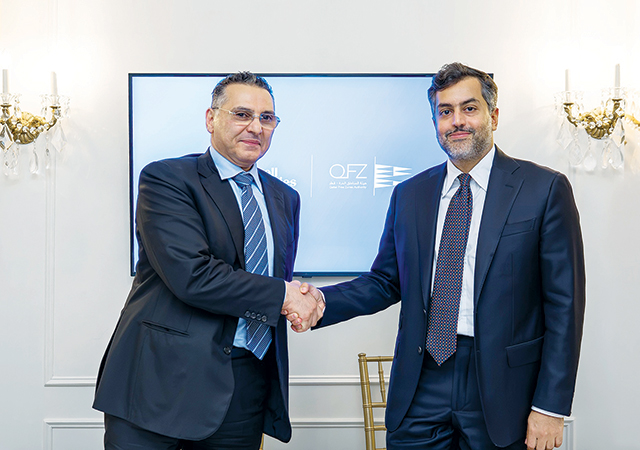
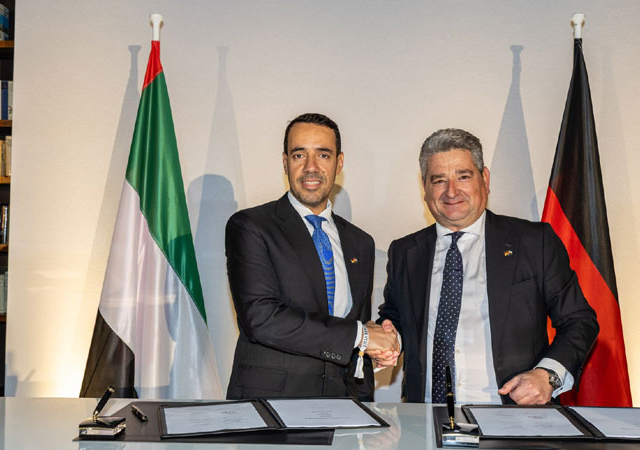
One of the clearest signals of this trend is Gulf Cryo’s recent strategic agreement with UAE steelmaker EMSTEEL.
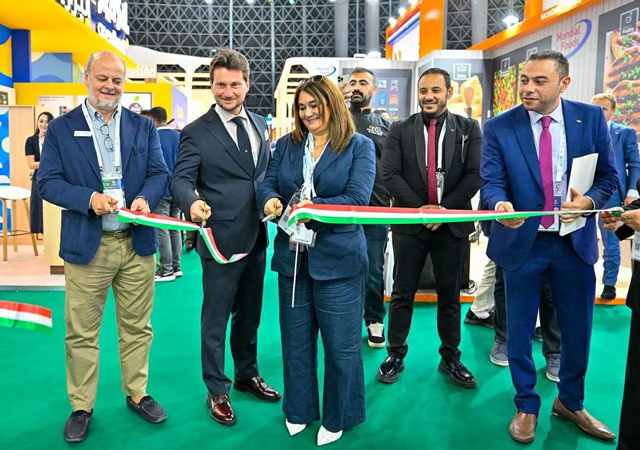
Signed during Make it in the Emirates (MITTE), the Memorandum of Understanding (MoU) outlines plans to develop a fully integrated carbon business model across EMSTEEL’s operations. The collaboration explores carbon capture at source alongside downstream utilisation, conversion and storage solutions, creating a value chain that transforms emissions into commercially viable products and applications.
Beyond reducing emissions, the initiative is also designed to strengthen EMSTEEL’s alignment with evolving international carbon regulations and sustainability frameworks, an increasingly important consideration for industrial exporters serving global markets.
Gulf Cryo is positioning itself as a key enabler of the Gulf’s emerging circular carbon economy
For Gulf Cryo, the partnership illustrates how the role of captured carbon is changing.
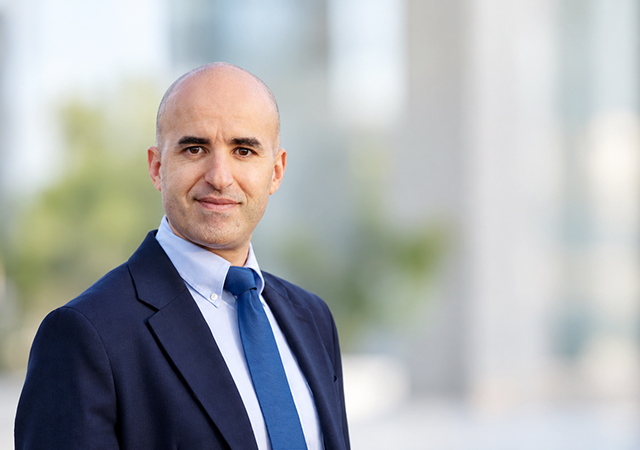
“With EMSTEEL, we are advancing a model where carbon capture at source is fully integrated into a sustainable value chain,” said Elie Adaimy, Group Head of Business Development and Innovation at Gulf Cryo. “This is key to accelerating and derisking industrial decarbonisation. Gulf Cryo connects industries, technologies, infrastructure and end markets to unlock the value of captured carbon at scale and enable the emergence of new low-carbon industrial ecosystems.”
He added: “This collaboration with EMSTEEL reflects a shared strategic vision for decarbonisation, innovation-driven, scalable and anchored in practical industrial implementation.”
A Growing Regional Opportunity
Taken together, Gulf Cryo’s production expansion and its push into carbon utilisation highlight how the GCC’s carbon economy is entering a new phase.
Historically, carbon capture projects have been viewed primarily through an environmental lens. Today, industrial players are increasingly treating captured CO² as a feedstock that can support a range of downstream applications while improving supply security for regional customers.
For Gulf Cryo, the opportunity lies at the intersection of these two trends: growing demand for liquid CO² and rising investment in industrial decarbonisation. By expanding capture-linked production capacity while building partnerships that create commercial pathways for carbon utilisation, the company is positioning itself not only as a supplier of industrial gases but also as a key enabler of the Gulf’s emerging circular carbon economy.
As governments push ahead with net-zero ambitions and heavy industries face mounting pressure to reduce emissions, the region’s next industrial growth story may depend as much on how carbon is captured, moved and reused as on how it is produced in the first place.