

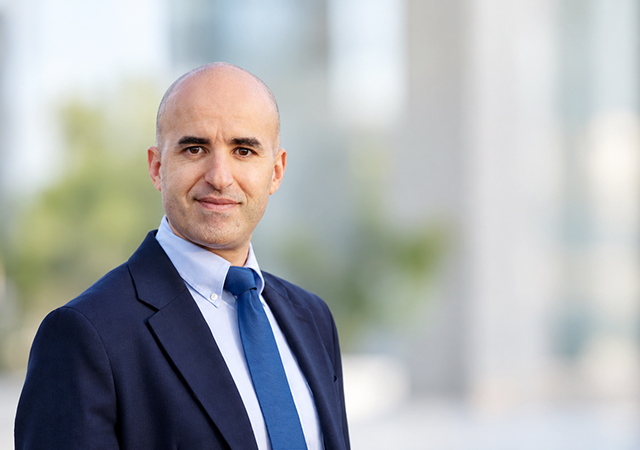









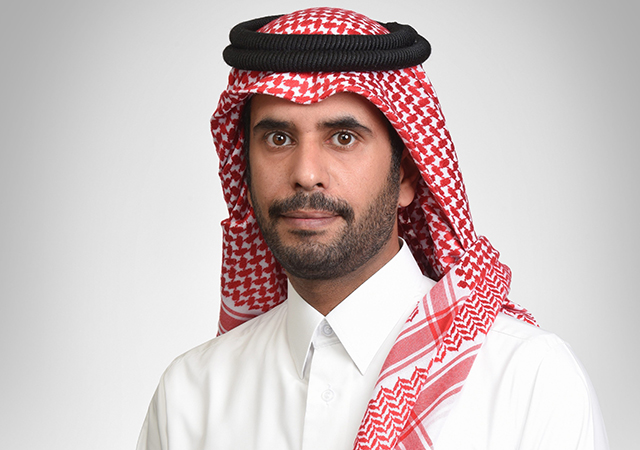

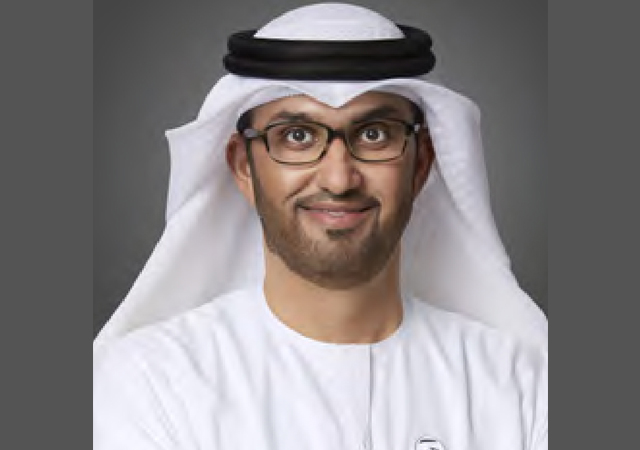
 Dr Sultan Al Jaber
For much of its modern economic history, the UAE’s industrial strategy focused on building the foundations of manufacturing: world-class infrastructure, abundant energy, industrial zones, logistics networks and an investment-friendly business environment. Those investments successfully transformed the country into one of the Middle East’s leading industrial and trading hubs. Manufacturing today accounts for roughly 13 to 15 per cent of the national GDP, making it one of the country’s most significant non-oil sectors and a key contributor to economic diversification.
Today, however, a new phase is emerging.
The UAE is no longer focused simply on expanding manufacturing capacity. Instead, the emphasis is increasingly on advanced, technology-enabled and export-oriented industries capable of competing on a global stage. Manufacturing policy is becoming less about production volumes and more about productivity, innovation, technological sophistication and value creation.
Initiatives such as Operation 300bn and the recently launched Factory Forward UAE illustrate how industrial strategy is evolving from building factories to building globally competitive industrial champions.
From Industrial Infrastructure to Industrial Intelligence
The launch of Factory Forward UAE, last month, marked an important milestone in the evolution of the UAE’s industrial sector.
Introduced by the Ministry of Industry and Advanced Technology (MoIAT), the initiative brings together the country’s industrial technology transformation programmes under a single platform, helping manufacturers adopt advanced technologies, access expertise and financing, and accelerate their digital transformation journeys. More than 700 factories have already benefited from programmes now incorporated under the initiative, including over 620 facilities assessed through the Industrial Technology Transformation Index (ITTI). The programme reflects the UAE’s growing emphasis on technology as a driver of industrial competitiveness and value creation.
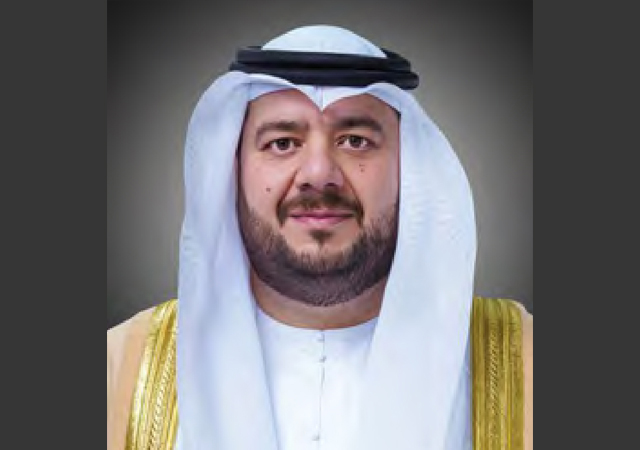
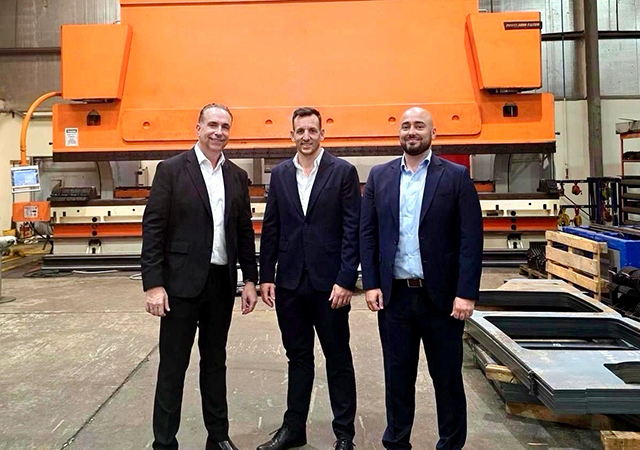
Mohamed Hassan Alsuwaidi
More fundamentally, Factory Forward signals a broader shift taking place across the national economy. The UAE is no longer focused solely on increasing manufacturing output or expanding industrial capacity. Instead, the emphasis is increasingly on building advanced, technology-enabled and export-oriented industries capable of competing in international markets and generating higher-value economic activity.
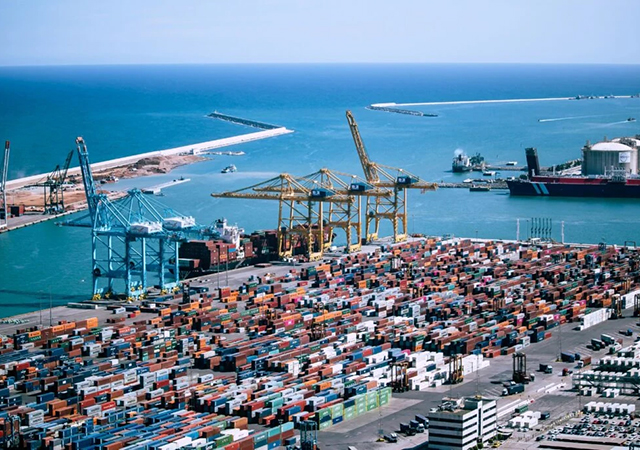
For much of the past two decades, the country’s industrial success was built on substantial investments in ports, logistics infrastructure, energy assets and industrial zones. These foundations helped establish the UAE as one of the Middle East’s leading industrial and trading hubs.
Yet the nature of industrial competition is changing. Globally, manufacturers are increasingly competing on technological sophistication, innovation, productivity and sustainability rather than production scale alone. Recognising this shift, the UAE has aligned its industrial strategy around creating higher-value industries that can capture a larger share of global value chains and strengthen long-term economic resilience.
That ambition is encapsulated in Operation 300bn, the UAE’s flagship industrial strategy. The programme aims to increase the sector’s contribution to GDP from AED133 billion to AED300 billion by 2031 while strengthening national industries, accelerating technology adoption, enhancing competitiveness and establishing the country as a centre for future industries.
Focus on Value addition
At the heart of the UAE’s industrial transformation is a recognition that future manufacturing growth will be driven by value addition rather than volume expansion.
Globally, manufacturing competitiveness is increasingly determined by innovation, intellectual property, research and development, digital capabilities and specialised expertise. Countries that succeed in advanced manufacturing are no longer those with the lowest production costs, but those capable of producing sophisticated, high-value products efficiently and sustainably.
Rather than competing on labour costs or manufacturing scale, the UAE is targeting sectors where knowledge, innovation and advanced technologies create competitive advantage. These include aerospace, defence technologies, pharmaceuticals, biotechnology, advanced machinery, electrical equipment, clean energy technologies, hydrogen and advanced materials.
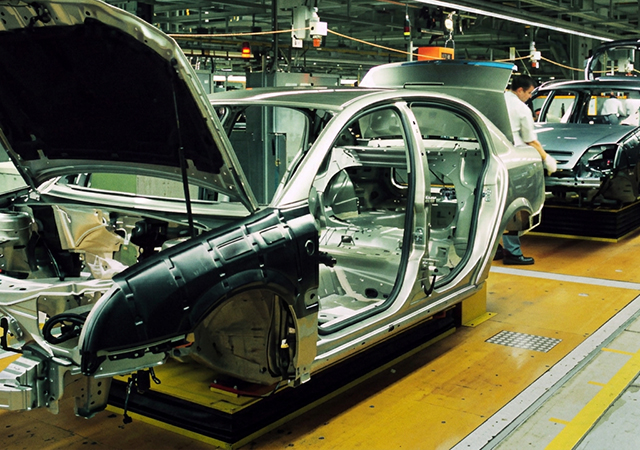
From building factories to industrial champions, UAE’s industrial strategy is evolving.
Technology as an Enabler
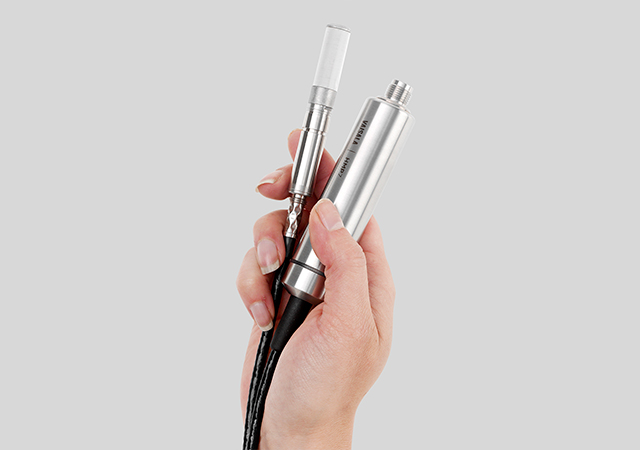
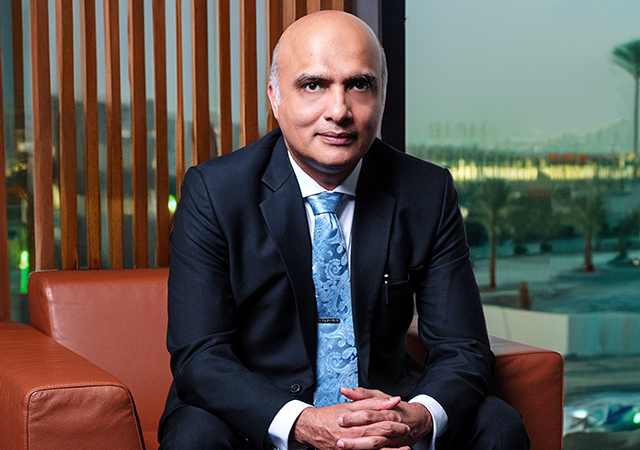
Technology is becoming the principal enabler of this transformation. Through initiatives such as Factory Forward UAE, manufacturers are being encouraged to adopt artificial intelligence, automation, advanced analytics, industrial internet of things solutions and other Fourth Industrial Revolution technologies. The objective is to improve productivity, strengthen operational efficiency, enhance quality and increase global competitiveness. As Dr Sultan Al Jaber, Minister of Industry and Advanced Technology, noted at the launch of Factory Forward UAE, the focus is on integrating advanced technology across the industrial value chain to help factories compete more effectively at home and abroad.
Industrial Champions
A particularly notable aspect of the UAE’s strategy is its ambition to nurture companies capable of competing internationally.
This approach is reinforced by programmes such as the National In-Country Value initiative, industrial financing schemes, export promotion measures and incentives designed to encourage local production and supply-chain development. Together, these policies aim to create stronger domestic industrial ecosystems while enhancing the international competitiveness of UAE-based manufacturers.
The objective is not merely to attract factories but to foster companies capable of leading regional and global markets in high-value sectors.
The UAE is already home to several companies that demonstrate the direction of travel. Emirates Global Aluminium (EGA) has become one of the world’s largest premium aluminium producers and a major contributor to the UAE’s non-oil export economy. Beyond primary metals production, the company supports a broader downstream manufacturing ecosystem serving industries ranging from construction and packaging to automotive and aerospace applications.
Similarly, EDGE Group has emerged as a major player in defence and advanced technologies. With capabilities spanning autonomous systems, aerospace technologies, cyber solutions and smart weapons, it reflects the UAE’s ambition to compete in knowledge-intensive sectors where innovation and intellectual property are increasingly important sources of value creation.
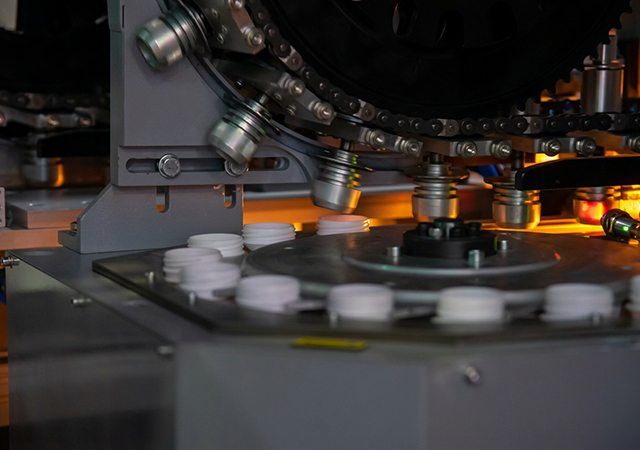
UAE: the ambition today is to build an advanced industrial economy powered by technology, innovation and exports
Meanwhile, ADNOC continues to play an important role in industrial development through investments in manufacturing supply chains and programmes linked to the National In-Country Value initiative. These efforts are helping stimulate local manufacturing opportunities while strengthening domestic industrial ecosystems.
The UAE is also nurturing a new generation of industrial champions in future-focused sectors including pharmaceuticals, clean energy, food processing, advanced machinery and electrical equipment. These industries sit at the heart of the country’s strategy to increase industrial value added, strengthen export competitiveness and build greater economic resilience.
Collectively, these companies illustrate a broader shift in industrial policy. The objective is no longer simply to increase factory numbers or manufacturing output. It is to create globally competitive enterprises that combine advanced manufacturing, research and development, digital technologies and export capability. In doing so, the UAE is seeking to position itself not merely as a regional manufacturing hub, but as a centre for innovation-led industrial growth.
Export-Led Growth
Export competitiveness forms another critical pillar of the UAE’s industrial strategy. Through its growing network of Comprehensive Economic Partnership Agreements (CEPAs), the country is opening new markets for domestically manufactured products and strengthening its integration into global trade flows. This approach is already contributing to strong external trade performance. Non-oil exports grew by 23.9 per cent during the first half of 2026 to reach AED452.8 billion, reinforcing the role of manufacturing, logistics and trade as drivers of non-oil growth.
The broader economic backdrop provides additional momentum. The UAE economy expanded by 3 per cent in the first quarter of 2026, while non-oil GDP grew by 4.8 per cent, increasing its contribution to 79.4 per cent of GDP. These figures underscore the success of diversification efforts and highlight the growing importance of high-value industrial and service activities within the national economy.
The UAE’s industrial and manufacturing sector is undergoing a major strategic expansion driven by the Operation 300 billion diversification agenda and Factory Forward UAE, though it faces recent headwinds from regional geopolitical tensions in 2026
The country’s approach extends beyond attracting manufacturers. Through initiatives such as Factory Forward UAE, industrial financing programmes and the National In-Country Value Programme, policymakers are working to create a comprehensive ecosystem that connects manufacturers with technology providers, advisory partners, investors and global markets. The goal is to help companies scale more rapidly, adopt advanced technologies and strengthen their position within international value chains.
Challenges Ahead
However, the path to industrial leadership is not without challenges. While the UAE has made considerable progress in attracting investment and accelerating technology adoption, the next stage of development will require deeper research and development capabilities, stronger local supply chains and a larger pool of specialised industrial talent. Policymakers are increasingly focused on moving beyond technology adoption towards innovation, intellectual property creation and advanced manufacturing expertise. At the same time, manufacturers must navigate intensifying global competition, secure long-term growth capital and meet increasingly stringent sustainability and decarbonisation requirements. Initiatives such as Factory Forward UAE, the National In-Country Value Programme and industrial financing schemes are designed to help address these challenges while supporting the emergence of internationally competitive UAE-based manufacturers.
The Road Ahead
The UAE’s industrial strategy has therefore moved decisively beyond the traditional objective of expanding manufacturing capacity. The ambition today is to build an advanced industrial economy powered by technology, innovation and exports. By aligning policy, investment, infrastructure, trade partnerships and talent development around future industries, the country is laying the foundations for a new generation of industrial champions.
In the process, the UAE is redefining industrial success. The goal is no longer simply to manufacture more. It is to create more value.