




 Saudi industry comes of age: 2026 could be a defining year for manufacturing.
Saudi Arabia’s industrial story in 2026 is one of two economies moving in opposite directions. On one hand, lower oil production led to a 4.8 per cent contraction in overall GDP during the second quarter of 2026. On the other, manufacturing, mining, logistics and technology continue to attract unprecedented levels of investment, reinforcing the Kingdom’s long-term diversification agenda, according to the Ministry of Economy and Planning (Data Saudi).
For industrial leaders, the more important trend is not short-term GDP volatility but the continued expansion of the non-oil economy and the rapid build-out of productive capacity across multiple sectors.
Non-oil activity grew 0.6 per cent in the second quarter of 2026, while government activity rose 0.9 per cent, the data showed. Saudi Arabia’s unemployment rate fell to 6.4 per cent in the first quarter of 2026 from 7.2 per cent in the fourth quarter of 2025, with male unemployment declining to 4.9 per cent from 5.6 per cent and female unemployment falling to 9.0 per cent from 10.3 per cent.
Fiscal revenue rose 12.3 per cent year-on-year to 339 billion riyals ($90.4 billion) in the second quarter, driven by a 22 per cent increase in oil revenue and 2.5 per cent growth in non-oil revenue. Government spending increased 11 per cent year-on-year to SR373 billion in the quarter.
Industry Leads Foreign Investment Inflows
Perhaps the clearest indication of Saudi Arabia’s industrial momentum is where international investors are placing their money.
According to the W7Worldwide study, the industrial sector was the Kingdom’s largest recipient of foreign investment in 2025, attracting $18.4 billion and accounting for 31 per cent of total non-oil FDI. At the same time, Saudi Arabia’s total FDI stock reached SAR1.099 trillion ($293 billion), up 13 per cent from the previous year, while new FDI inflows totalled SAR133.3 billion ($35.5 billion).
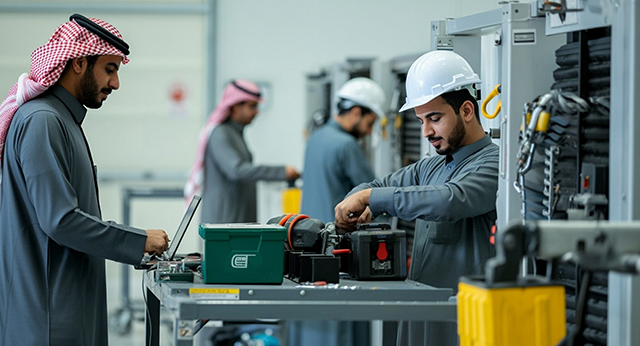
Saudi Arabia’s industrial sector is entering a new phase: from ambition to execution.
The Kingdom’s FDI stock increased by 13 per cent compared to 2024, while the total stock of foreign investments in all forms reached SAR 3.323 trillion, reflecting the continued expansion of the non-oil economy and growing confidence among international investors in the Saudi market.
Equally significant is the rise of Saudi Arabia as a regional business hub. More than 676 multinational companies have now secured licences for regional headquarters in Riyadh, reflecting growing confidence in the Kingdom as a centre for decision-making, supply chain management, research and development, and advanced services.
Meanwhile, investment licences surged 68.5 per cent year-on-year to 24,240 in 2025, demonstrating how regulatory reforms and digitalisation are improving the ease of doing business.
Manufacturing Capacity Expands Rapidly
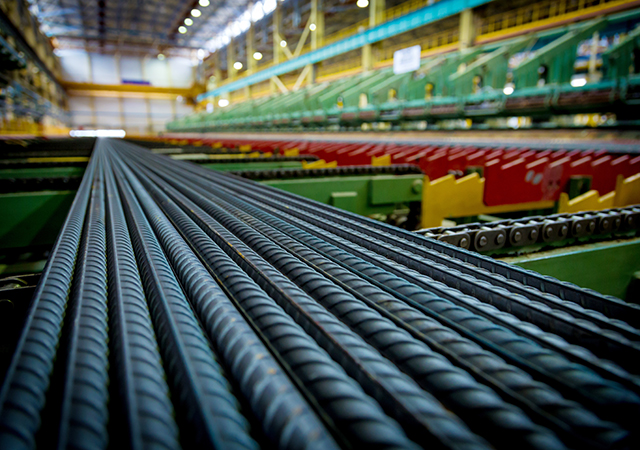
The Kingdom’s manufacturing sector continues to record tangible gains. According to DataSaudi, real manufacturing GDP grew 3.3 per cent year-on-year in the first quarter of 2026, while manufacturing GDP reached a record SAR210.9 billion. Manufacturing exports increased 12.4 per cent during 2025, underlining the sector’s growing international competitiveness.
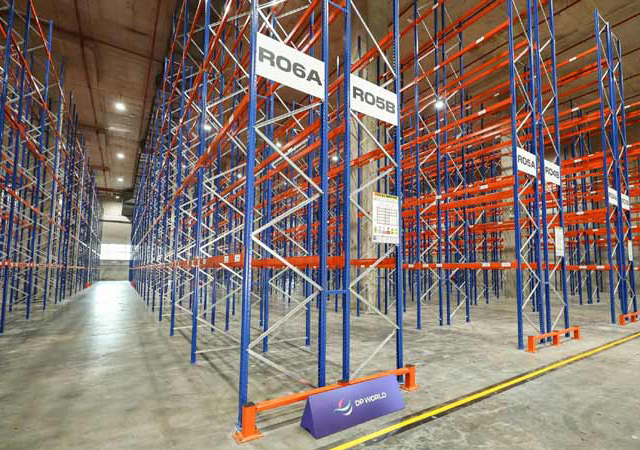
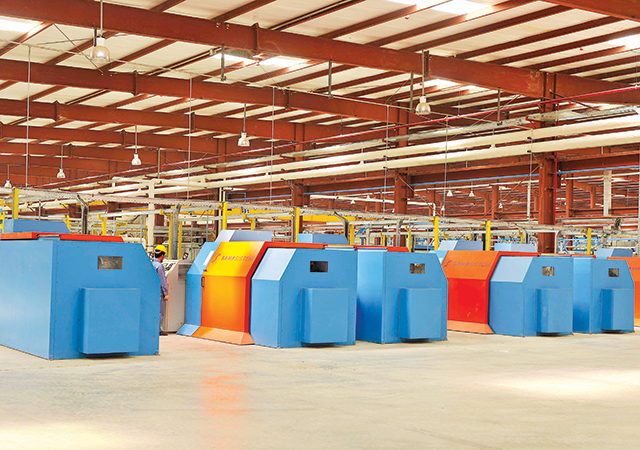
Industrial development is also evident at ground level. By April 2026, Saudi Arabia’s total number of industrial establishments had risen to 13,660, compared with 12,289 a year earlier. During April alone, the Ministry of Industry and Mineral Resources issued 322 new industrial licences linked to investments exceeding SAR12.33 billion, while 188 factories commenced production, attracting an additional SAR2.01 billion in investments.
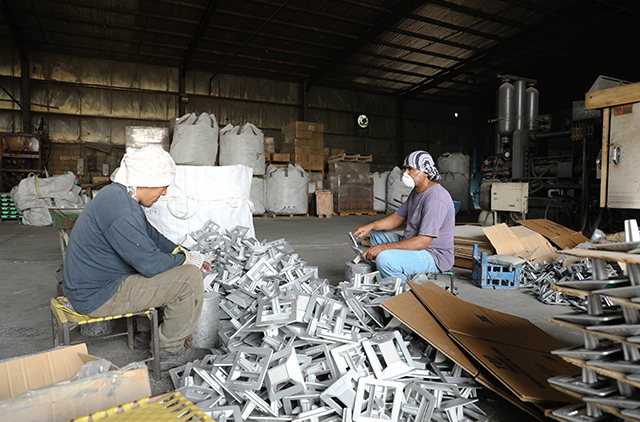
Saudi Arabia is actively positioning itself as a regional manufacturing and export hub.
These figures suggest that industrial growth is no longer confined to announcements and masterplans. New productive assets are entering operation, expanding domestic manufacturing capacity and creating employment opportunities across the Kingdom.
Manufacturing Moves Beyond Heavy Industry
For decades, Saudi industrialisation was synonymous with petrochemicals, refining and basic materials. Today, the Kingdom is moving decisively into advanced manufacturing.
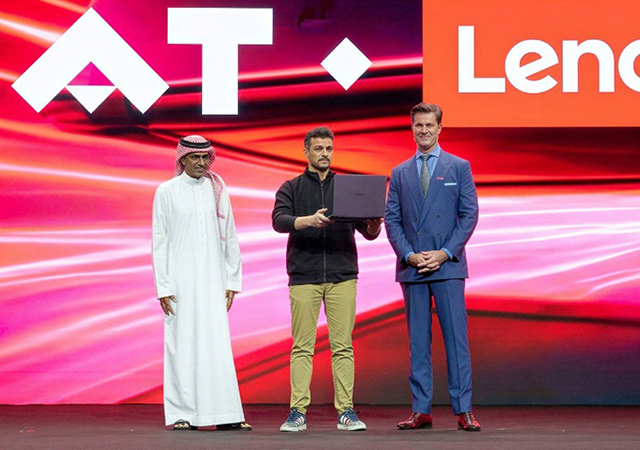
The most symbolic example came at LEAP 2026, where Lenovo unveiled its first laptop manufactured in Saudi Arabia.
At LEAP 2026, Lenovo unveiled its first laptop manufactured in Saudi Arabia, produced at its Riyadh facility being developed in partnership with ALAT. The facility is expected to be Lenovo’s first global production site capable of manufacturing laptops, desktops, servers and Motorola smartphones at a single location. Mass production is scheduled to begin later in 2026.
The significance of the project extends beyond electronics assembly. It reflects Saudi Arabia’s ambition to localise high-value manufacturing, develop technical skills, attract sophisticated supply chains and integrate more deeply into global production networks.
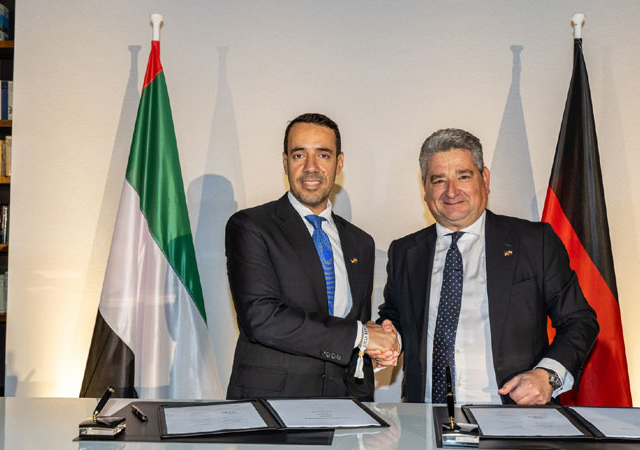
Further evidence of this direction emerged at Hannover Messe 2026, where Saudi Arabia signed agreements focused on smart manufacturing, industrial automation, grid technologies and localisation of advanced industrial capabilities.
Mining emerges as the next growth pillar
Alongside manufacturing, mining is becoming a strategic pillar of Saudi industrial policy. The Kingdom estimates its mineral resources are worth more than SR9.4 trillion, with newly announced mining investments reaching SR44 billion during 2025.
The Kingdom is increasingly pursuing a value-chain strategy rather than a resource extraction model. The focus is on converting mineral wealth into downstream industries including battery materials, specialty chemicals, metals processing and advanced manufacturing inputs. This approach mirrors the successful development of the petrochemicals sector and could create a powerful new industrial ecosystem over the next decade.
AI and Digital Infrastructure Enter the Industrial Mainstream
Another notable trend is that technology investment is also becoming increasingly intertwined with industrial development.
Artificial intelligence is evolving into an industrial infrastructure story. LEAP 2025 generated more than $14.9 billion in announced AI and technology projects and agreements, highlighting investor confidence in Saudi Arabia’s ambitions to become a regional technology and AI hub.
At the same time, partnerships such as Magna AI and MBUZZ’s recent alliance underscore growing demand for AI-ready infrastructure, high-performance computing and industrial digitalisation. Smart factories, robotics, predictive maintenance and digital twins are no longer aspirational technologies but increasingly critical tools for industrial competitiveness.
Logistics, Infrastructure Continue to Underpin Growth
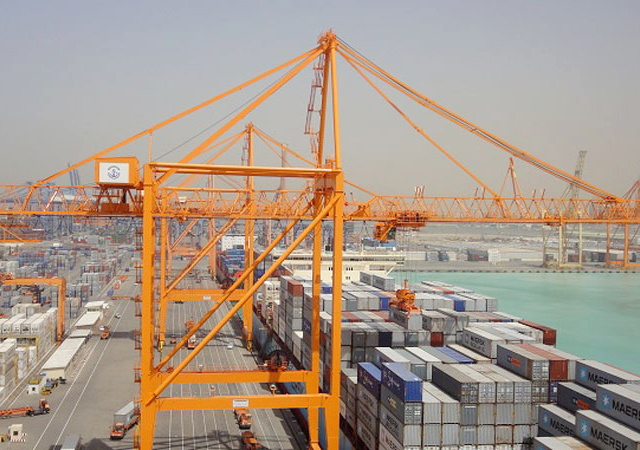
Industrial growth requires physical infrastructure, and Saudi Arabia continues to invest heavily in logistics and construction.
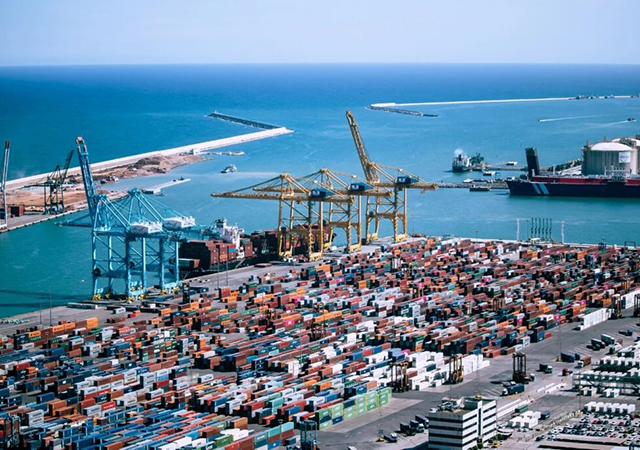
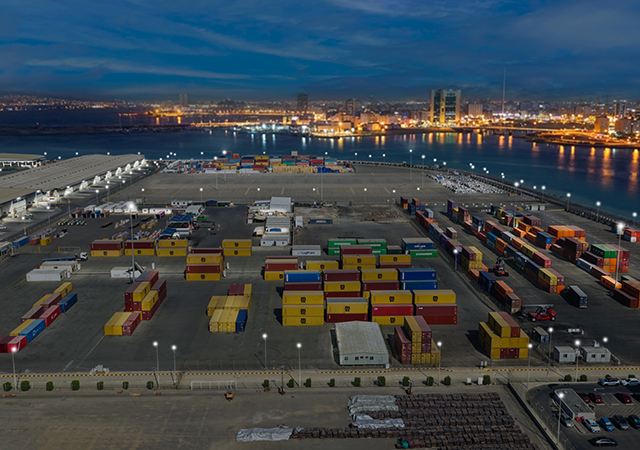
Private-sector investment in transport and logistics exceeded SAR280 billion, supported by the operation of 24 logistics hubs across the Kingdom. These investments are helping position Saudi Arabia as a strategic gateway linking global trade routes across Asia, Europe and Africa.
Construction activity remains robust. Al Rajhi Capital’s Construction Index reached 55.2 in July, one of the highest readings this year, supported by strong infrastructure, residential and industrial project activity. New orders also climbed to a five-month high, while business confidence reached record levels. These indicators point to continued momentum in industrial city development, manufacturing facilities, logistics parks and major infrastructure programmes.
The Bigger Picture
The headline economic data can sometimes obscure the underlying transformation taking place in Saudi Arabia. Overall GDP remains vulnerable to fluctuations in oil production, but the structural direction of the economy is increasingly clear.
Manufacturing GDP reached a record SAR210.9 billion in the first quarter of 2026, while manufacturing exports and industrial investment continue to trend upward. The Kingdom is attracting global manufacturers, building local supply chains, expanding industrial capacity and creating the conditions for long-term competitiveness, according to DataSaudi and TradingEconomics.com.
The latest data suggests Saudi Arabia’s economic transformation is entering a more advanced phase. Rather than simply diversifying away from oil, the Kingdom is actively building new industrial engines across manufacturing, mining, logistics, technology and advanced services.
FDI continues to rise, factories are entering operation at an accelerating pace, global manufacturers are localising production, and industrial infrastructure is expanding rapidly. While oil market fluctuations may continue to influence headline economic performance, the long-term trajectory increasingly points towards the emergence of a more diversified, technology-enabled and internationally competitive industrial economy.
For Saudi Arabia, the challenge is no longer attracting industrial investment. It is scaling industrial capability fast enough to convert unprecedented investment momentum into lasting manufacturing competitiveness and export-led growth.