













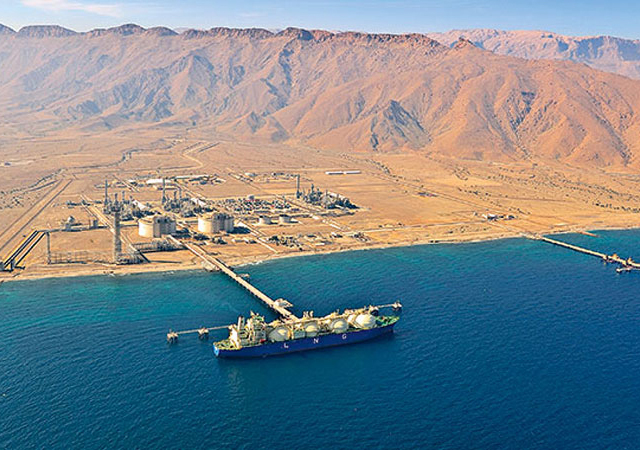
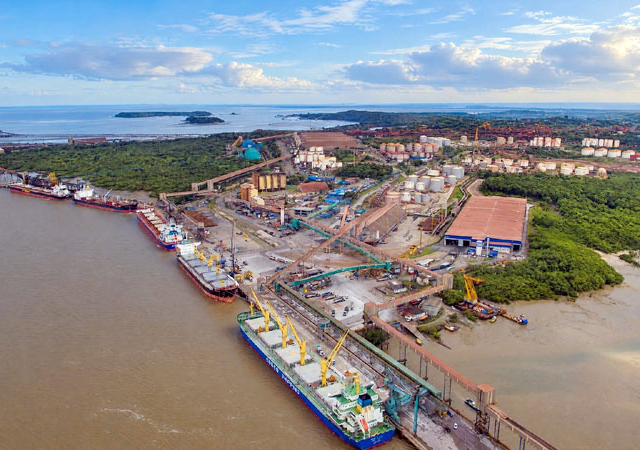




















 Oil installations face threats from insurgents
Iraq has increased crude oil exports to about 1.75 million barrels per day (bpd) following resumption of pumping in the north of the country to the Turkish Ceyhan terminal, an oil official said.
"The level of exports returned to its normal level in mid-January," oil ministry spokesman Assem Jihad said.
"Exports from the north resumed on January 16 with some 200,000 barrels a day and the goal is to double this in the coming months," he said. "Exports from the south vary from 1.55 million bpd to 1.65 million bpd."
In early January, Jihad said exports had dropped to 1.1 million bpd – their lowest level since the war – because of poor weather in the Gulf where tankers are loaded and attacks by insurgents against pipelines and other oil installations.
Jihad also said Baghdad would be paying its debts to Turkish oil companies which announced they had suspended deliveries of refined products because of mounting payment arrears.
"Iraq is going to pay its arrears to Turkish and other firms, and two days ago already paid out 250 million dollars," he said.
"What happened was that the ministry's central services asked the State Oil Marketing Organisation to delay payments due on January 21 until the end of the month in order to have time to check the accounts," he said.
"Turkish companies were informed of this decision."
Some 34 Turkish oil companies said they were stopping tanker deliveries of refined products to Iraq because of the mounting debts of about $1 billion.
Senior Iraqi officials, meanwhile, said Iraq will start talks with GCC states in the next few weeks to settle $40 billion of debt and complete the country's financial recovery after decades of wars and sanctions.
"We are in the final leg," Finance Minister Ali Allawi said. "I am positive that the talks will be a success and these countries will help us extinguish the debt, which was mostly direct transfers to the Iraqi Central Bank to finance the war with Iran."
Another government official, however, said the GCC states may decide that solving the debt issue was not a priority.