





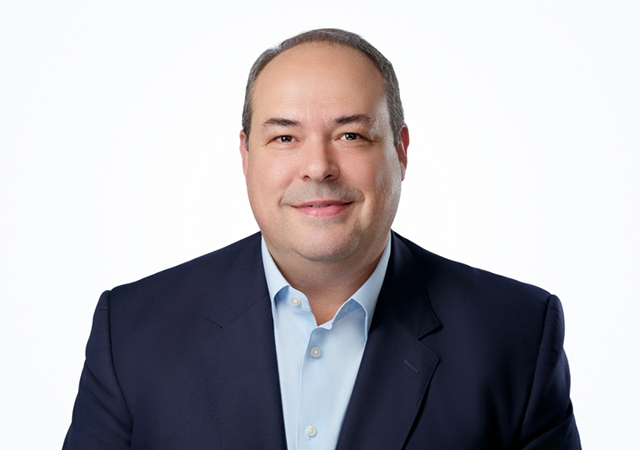






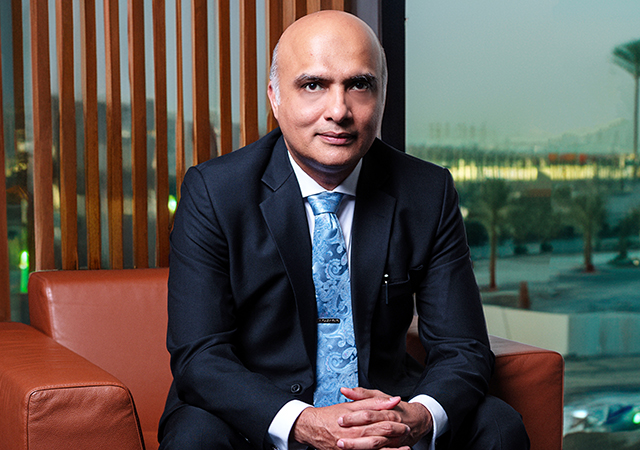


 Chalabi has proposed a fund to pay dividends to all Iraqis from oil revenue
Iraq seeks $38 billion of mainly foreign investment to boost crude output, but talks with oil majors to attract the capital are still in initial stages, the powerful head of the Iraqi Energy Council said.
Ahmad Chalabi said the government ideally would like to triple output to six million barrels per day in four years once the investment comes.
“We want the fields to produce as quickly as possible with due regard for reservoir management. But the talks are not advanced at all,” said Chalabi, who is also deputy prime minister.
Chalabi acknowledged that a long-term oil strategy would have to be agreed by Iraq’s divided politicians first.
Several companies, including Norway’s Norsk Hydro, are already in negotiations to drill for oil in Iraqi Kurdistan, a de facto autonomous region run by Kurdish leaders.
Chalabi, who had advocated a federal structure for Iraq since he was in exile, said such a system enshrined in a recently passed constitution ensures that oil remains a national resource but managed jointly with the provinces.
To raise stakes in the system across sects, Chalabi has also called for a fund that pays dividends to all Iraqis from oil revenue and investments, similar to one in place in the US state of Alaska since 1982.
He favours giving priority to US and British oil companies because the two countries removed Saddam Hussein from power.
“No company has been assigned any field and no person has authority to assign anything until the parliament (due to be elected in January) approves it,” he said.
Oil executives, however, say the Iraqi Oil Ministry has already been in contact with foreign companies about the development the country’s oilfields in the post-Saddam era, including the most prized, such as the 12-30 billion barrel Majnoon and the 11-15 billion barrel West Qorna.
“Politically everything is on hold because Iraq has so far had transitional governments since the US invasion. But a lot of data has been exchanged and structures put in place in the oil ministry to negotiate production sharing deals,” an Arab oil executive said.
Another oil executive said although political upheaval is likely to keep actual development work years away, especially for the biggest fields in the south, big companies would still compete to obtain rights for specific fields.
“The issue of oil is highly sensitive and Chalabi is careful not to give away too much,” the executive said. He predicted that Iraq’s oil industry will not take off unless the big firms are assured that their return from production sharing deals favoured by Chalabi and others in the Oil Ministry will be safe over a minimum of a decade.