





































 The Ras Tanura refinery ... splitter may be shut next month
Middle East oil giant Saudi Aramco has re-worked its spring 2004 refinery maintenance programme to minimise overlapping outages in the second quarter amid strong local demand for oil products, industry sources said.
They said the original plan, with most turnarounds in a tight two-month period, was now replaced with one that stretched out over the entire three months in an effort to ease export disruption and cover roaring domestic demand for key products such as gasoline and diesel.
Aramco shut down its biggest domestic refinery — the 425,000 barrels per day Rabigh plant — as scheduled on March 24.
“The Rabigh plant is already down as per plans on March 24 and will be up in 20-25 days time,” one source familiar with the refinery operations said.
Shipping market sources said several weeks ago that Saudi Arabia appeared to be loading as much as 14.5 million barrels of surplus crude in March, presumably barrels freed for export due to the turnaround.
Aramco has pushed back maintenance works for two other plants and included some secondary units.
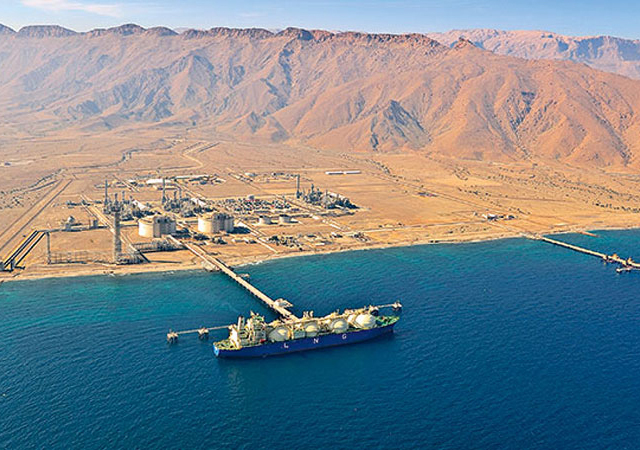
It has now pencilled in the shutdown of the new 200,000 bpd Ras Tanura condensate splitter for about a month in May pending a contractors’ report. The plant was originally due for maintenance in end March.
“The contractors are going to do a detailed survey of the new splitter and decide how long it will be down for. They are due to visit the site soon,” the source said.
Industry sources said the delay will bring maintenance works on the new condensate splitter closer to its one-year start-up anniversary due in mid-August.
Aramco has also decided to close a couple of large units at the Ras Tanura refinery for maintenance works at the same time as the splitter. These units are likely to include a 44,000 bpd hydrocracker and a 40,000 bpd catalytic reformer.
Once maintenance works at these units are completed, probably in early June, Aramco will shut the 225,000 bpd wholly-owned domestic Yanbu refinery for 25-30 days.
Traders said the change in Aramco’s plans was due to unexpectedly strong domestic demand that had made it difficult for the oil giant to build up stocks while sustaining steady exports.