










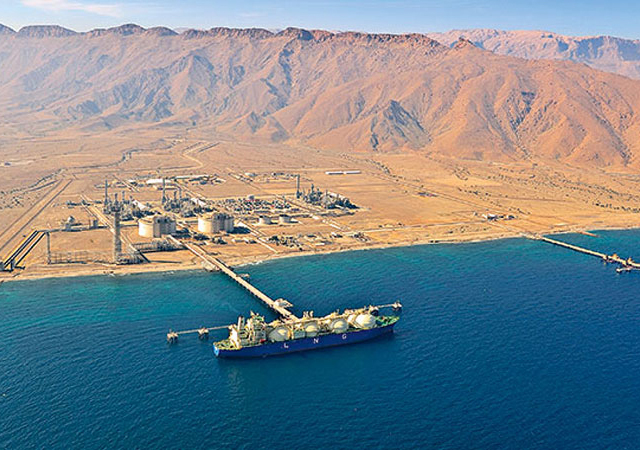





















 Malaysia is third-largest LNG exporter
Strong global demand is likely to limit the downtrend in Asian prices for liquefied natural gas (LNG), but abundant new capacity and the bargaining power of energy-thirsty China will keep the market under pressure.
Lower prices are spurring demand for super-cooled, compressed natural gas from main users such as power plants as LNG narrows its price gap with cheaper coal, which accounts for 88 per cent of fossil energy resources in Asia, experts say.
Prices for LNG have fallen steeply in the last three to four years, especially after booming China locked in multi-billion dollar, long-term supply contracts with Australia and Indonesia.
Energy-industry bankers in the region say China paid less than $3 per million British thermal units (mmBtu) for LNG for its first two import terminals, way below the $4-$5/mmBtu recently paid by the world’s number one and two buyers, Japan and South Korea.
“The general feeling is that when the Korean and Japanese contracts come up for renewals, there is going to be downward pressure on those pricing contracts,” said a Hong Kong-based banker with a global investment bank.
“Going forward, I think there will be a whole lot of re-rating of the pricing environment. The buyers have more power now,” he said.
Global LNG flow would rise to about 200 million tonnes by 2010 and 315 million tonnes by 2020, from 120 million tonnes last year, on expected growing demand from the United States, China and India, said Hassan Marican, president of Malaysia’s Petronas, citing forecasts by the International Energy Agency.
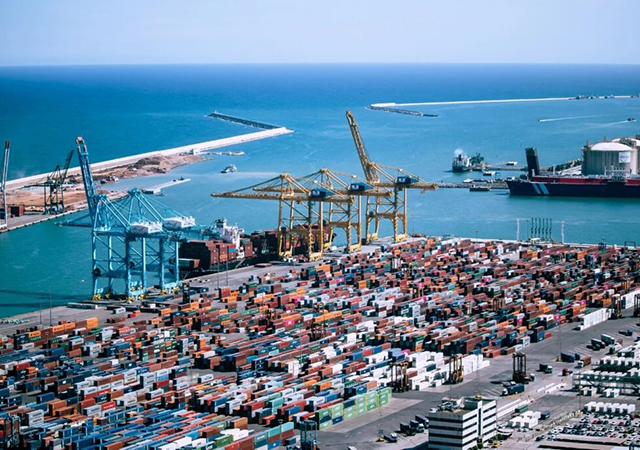
Malaysia is the world’s third-largest LNG exporter.
LNG imports by the US alone are set to rise to 99 million tonnes by 2025 from 11 million tonnes in 2003, said the Jakarta-based ASEAN Centre for Energy (ACE).
“Offsetting the potential drop in pricing is the increase in volume. The market is broadening,” the banker in Hong Kong said, referring to the entrance of buyers such as China and India that could now afford to buy in bulk.
However, with LNG producers in Asia, the Middle East, Africa, Russia and South America expanding capacity or building new plants to meet rising demand from the new markets, price competition is set to intensify, experts said.
“The bloodbath is going to start,” Hassan said in a speech in Singapore . “With the new and expansion projects, there would be surplus, I believe, of LNG in future.”
This is music to the ears of LNG buyers.