 The race to diversify tungsten supply chains gains momentum
The scramble for critical minerals is no longer confined to lithium, copper and rare earths. Increasingly, tungsten is finding itself at the center of global resource security discussions as industrial economies seek to reduce their dependence on concentrated supply chains.
A proposed corporate merger involving the development of the Severniy Katpar deposit in Kazakhstan highlights how the often-overlooked metal is gaining strategic significance for both industry and national security.
Cove Kaz Capital Group is combining with Nasdaq-listed Skyline Builders Group, with the merged entity expected to operate as Kaz Resources Inc. The transaction is more than a corporate restructuring. It reflects growing investor interest in securing access to minerals that underpin defense systems, advanced manufacturing and energy technologies.
At the heart of the strategy lies the Severniy Katpar project, considered one of the world’s largest undeveloped tungsten resources. The deposit contains an estimated 1.4 million tonnes of tungsten trioxide and is projected to support mining operations for more than five decades. When fully operational, annual output is expected to account for approximately 15 per cent of current global tungsten production.
The scale of the resource comes at a critical time for the global tungsten market.
For years, China has dominated tungsten production and processing, controlling the vast majority of global supply. This concentration has increasingly become a concern for governments and manufacturers seeking resilient supply chains for strategically important materials.
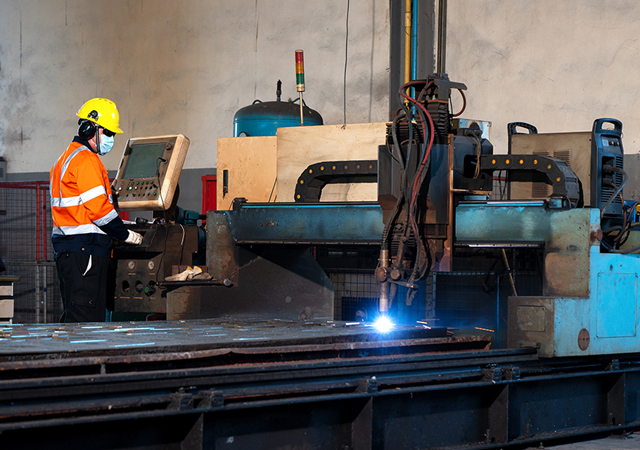
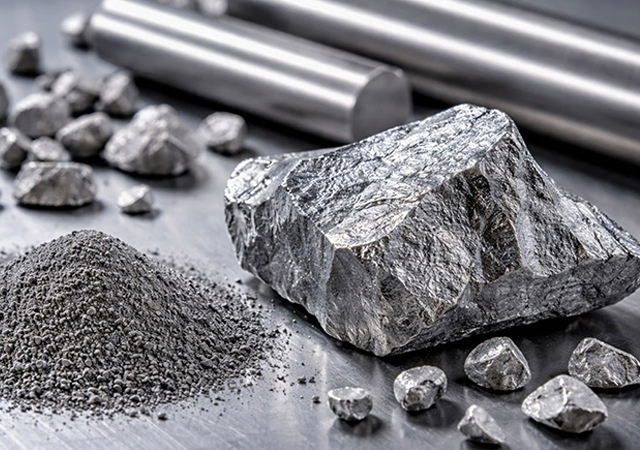
Tungsten possesses a unique combination of properties that make it difficult to replace in many industrial applications. Its exceptionally high melting point, hardness and resistance to wear have made it essential for metal-cutting tools, mining equipment, aerospace components and defense systems. The metal is also used in energy technologies, electronics and specialised engineering applications where performance under extreme conditions is required.
As industrial policy shifts toward supply-chain resilience, tungsten has moved from being a niche commodity to a strategic resource.
The United States, in particular, has intensified efforts to secure alternative sources of critical minerals amid rising geopolitical competition and concerns over import dependence. New sourcing requirements and critical-mineral policies are encouraging companies and governments to identify supply options outside traditional production centers.
Against this backdrop, Kazakhstan has emerged as an important partner in global critical-mineral strategies.
The Central Asian nation is endowed with significant mineral resources and has sought to position itself as a supplier of materials needed for the energy transition and advanced manufacturing sectors. The Severniy Katpar project aligns with this broader trend, offering the potential to diversify global tungsten supply while strengthening economic ties between Kazakhstan and Western markets.
The project’s strategic importance is reflected in the level of international interest it has attracted. Financing discussions involving U.S. development and export-credit institutions suggest growing recognition of the role that critical-mineral projects can play in strengthening supply-chain security. Such backing also highlights the increasing convergence of industrial policy, resource development and geopolitics.
Development work at the site is already underway, with drilling and feasibility studies progressing as project stakeholders advance plans toward construction. While commercial production remains several years away, the project is being viewed by industry observers as a potential contributor to a more diversified global tungsten market.
The emergence of projects such as Severniy Katpar also points to a broader shift taking place across the industrial metals sector. Investors are increasingly assessing mining projects not only on resource size and economics, but also on their strategic value within critical supply chains.
As governments seek secure access to minerals essential for manufacturing, defense and infrastructure development, resource projects are becoming instruments of industrial policy as much as sources of raw materials.
For tungsten, a metal that has traditionally attracted far less attention than copper, lithium or nickel, this changing landscape may prove transformative. And for Kazakhstan, the development of Severniy Katpar offers an opportunity to become a more significant player in a market that is gaining geopolitical as well as industrial importance.