 CA900 Titration Analyzer from ECD simplifies and automates alkalinity measurement.
Water utilities and industrial operators are increasingly adopting automated analytical technologies to improve the monitoring and management of alkalinity, a key parameter that influences water quality, treatment efficiency and process stability.
Alkalinity, which measures water’s ability to neutralise acids, plays a critical role in maintaining stable pH levels across a range of applications, from municipal drinking water production and wastewater treatment to food and beverage processing, pharmaceuticals and electronics manufacturing. Fluctuations in alkalinity can affect treatment performance, corrosion control and biological processes, making regular monitoring an essential part of water management strategies.
Historically, alkalinity testing has relied on manual sampling and laboratory analysis. However, growing demands for operational efficiency and real-time process visibility are driving a shift towards automated monitoring systems capable of delivering more frequent and consistent measurements.
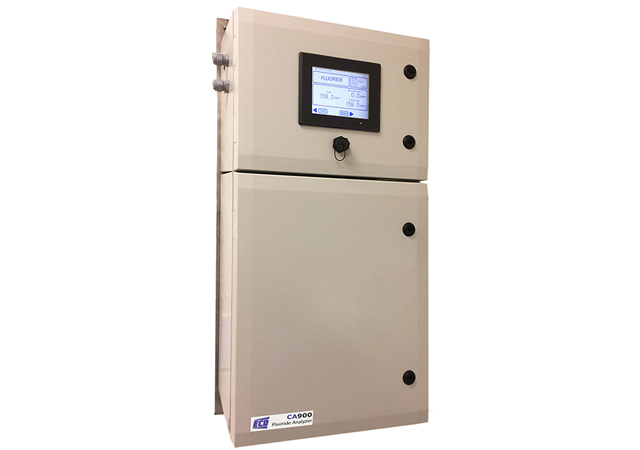
CA900 Titration Analyzer
One example of this trend is the introduction of automated titration-based analyzers such as Electro-Chemical Devices’ (ECD) CA900 Titration Analyzer, designed to automate the alkalinity measurement process. The system uses controlled dosing of titrant chemicals and pH monitoring to calculate alkalinity levels, reducing the need for routine manual testing while providing continuous process data.
The technology is particularly relevant for municipal water and wastewater facilities, where maintaining appropriate alkalinity levels is important for treatment effectiveness. In wastewater applications, alkalinity can influence biological treatment performance and anaerobic digestion processes, while in drinking water systems it helps support pH stability and corrosion control.
Industry observers note that wider adoption of online analytical instrumentation reflects a broader digitalisation trend within the water sector. Modern analyzers increasingly incorporate Ethernet connectivity, remote access capabilities and integration with plant control systems, enabling operators to monitor conditions and respond more quickly to process changes.
Another factor supporting the uptake of automated systems is the need to optimise workforce resources. With many utilities and industrial facilities seeking to reduce manual intervention while maintaining compliance and operational reliability, automated monitoring can help streamline routine testing and data management tasks.
As water treatment operators continue investing in digital infrastructure and process automation, technologies that provide continuous insight into key water quality parameters such as alkalinity are expected to play an increasingly important role in improving efficiency, consistency and process control.