






























 Jing Teow
GCC economies have shown considerable resilience in adapting to the economic disruption caused by the Middle East conflict, although the pace of recovery continues to vary across countries and sectors.
According to PwC Middle East’s latest Middle East Economy Watch, Resilience under pressure: adapting, financing and rebuilding. Despite the scale of the shock, businesses have adapted their operations, diversified supply routes and maintained activity where possible. Non-oil business surveys indicate renewed expansion, especially domestically-oriented services during the third quarter.
Richard Boxshall, Global Economics Leader and Middle East Chief Economist, PwC Middle East, said: "The economic disruption has been substantial, particularly for energy producers that depend heavily on shipping through the Strait of Hormuz. Yet GCC economies have demonstrated considerable capacity to absorb the shock, supported by financial reserves, established infrastructure and the adaptability of businesses. The outlook for 2027 points to a significant recovery, although much will depend on the pace at which shipping and production are restored."
Economic performance: A partial, uneven rebound
The initial impact of the conflict was concentrated in the energy sector. Since GCC crude oil production fell by roughly 40% between February and April 2026, outputs and exports have subsequently begun to recover, although progress varies considerably between producers depending on their access to alternative export routes.
Non-oil activity has proved more resilient: business surveys show renewed expansion across several markets in the third quarter, although sectors that depend on international connectivity, including aviation, tourism and logistics, remain under pressure.
Inflation has also remained relatively contained. On a GDP-weighted basis, GCC inflation rose from 1.9% in February to 3.1% in June, supported by policy measures that have limited the impact of higher energy and shipping costs on consumers.
Resilience: Using buffers and diversifying routes
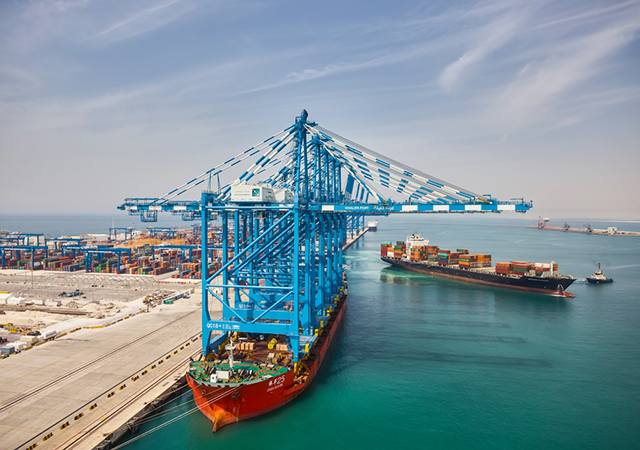
Government financial reserves, access to international capital markets and well-capitalised banking systems have helped sustain economic activity and mitigate immediate financing pressures. At the same time, governments and businesses, notably energy exporters and logistics networks, have increasingly relied on alternative trade and energy corridors.
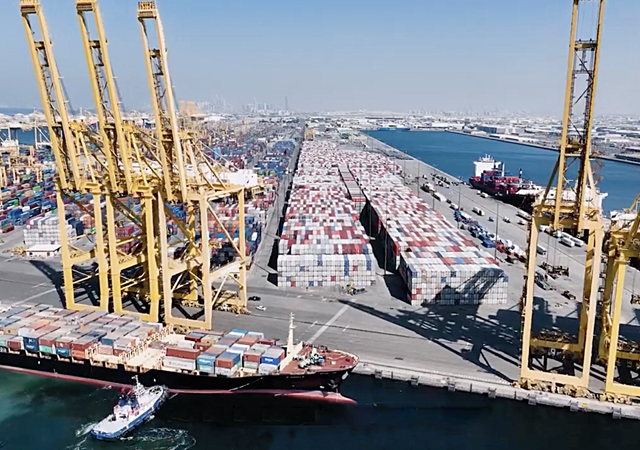
These adaptations are also shaping longer-term investment priorities. The conflict has exposed the economic costs of relying heavily on individual shipping corridors, strengthening the case for investment in alternative transport networks, logistics infrastructure, storage capacity and more diversified supply chains.
The outlook for 2027 points to recovery, although the timing remains uncertain
Under the IMF's baseline projections, GCC economic activity will recover significantly in 2027 as energy production and shipping gradually return towards normal levels. Non-oil GDP growth is forecast to reach approximately 4.5%.
However, the timing and durability of any settlement remain important sources of uncertainty.
PwC's report examines five potential developments across the near and medium term, ranging from an earlier easing of tensions and a faster economic recovery to renewed escalation or prolonged disruption extending into the second half of 2027.
Under a faster settlement scenario, the recovery could be brought forward by one or two quarters, allowing businesses to accelerate investment, recruitment and expansion. Conversely, continued restrictions on shipping would prolong supply chain disruption, increase operating costs and delay the recovery of sectors dependent on international connectivity.
Very different speeds
Jing Teow, Partner, Economic Policy and Strategy, PwC Middle East, said: “One of the more encouraging developments this year has been how quickly businesses across the GCC have adapted to an exceptionally difficult operating environment. Many have found ways to maintain operations and restore activity despite significant disruption to trade and transport. However, the recovery is progressing at very different speeds across the economy. Sectors supported by domestic demand have generally held up better, while aviation, tourism and logistics face a longer recovery as connectivity and confidence are gradually restored.
“Looking ahead to 2027, we expect a strong rebound in economic activity, although the benefits will be uneven across countries and sectors. Businesses should plan accordingly and be prepared to respond quickly as conditions change.”
The report identifies several priorities for governments and businesses as the region moves towards 2027.
For policymakers, restoring international connectivity and completing critical transport and logistics infrastructure will be important to supporting the recovery. Maintaining productive public investment, where fiscal conditions permit, can also help sustain domestic activity while private sector confidence gradually improves. At the same time, rebuilding financial buffers will strengthen governments' ability to respond to future disruptions.
For businesses, investment and expansion decisions will increasingly need to reflect differences in the pace of recovery across sectors and markets. Companies should assess demand, operating costs and supply chain exposure against a range of potential outcomes, while maintaining sufficient financial flexibility to respond if conditions deteriorate.—TradeArabia News Service