
 Hitachi Energy: planning for an electrified future
The Gulf’s race to power AI, data centres and industrial expansion will depend as much on energy efficiency as infrastructure investment, according to Ahmad Shafik, Managing Director for the Gulf and Near East at Hitachi Energy.
In an exclusive interview with Gulf Industry, Shafik argues that infrastructure investment alone will not be enough to meet future demand. Instead, energy efficiency should be viewed as a “first fuel” noting that “every megawatt saved through efficiency reduces the need for additional generation and transmission”. He believes efficiency should be embedded into national energy strategies, industrial development plans and urban planning from the outset.
Looking ahead, the region’s power system is expected to become increasingly complex as renewable energy, AI-driven workloads and growing industrial demand place greater pressure on electricity networks. To manage this transition, utilities will need modernised grids supported by automation, digital technologies and real-time monitoring to improve reliability and optimise asset performance.
Data centres are emerging as a particularly significant source of demand. Shafik stresses that digital infrastructure and grid development must be planned together, supported by flexibility, energy storage, power quality solutions and demand-side management. Energy efficiency, he says, can help ease pressure on networks while supporting economic growth.
Digitalisation will also play a critical role in improving energy performance. Technologies such as AI-enabled analytics, automation and energy management systems can help utilities and industrial operators identify inefficiencies, reduce losses and make better operational decisions.
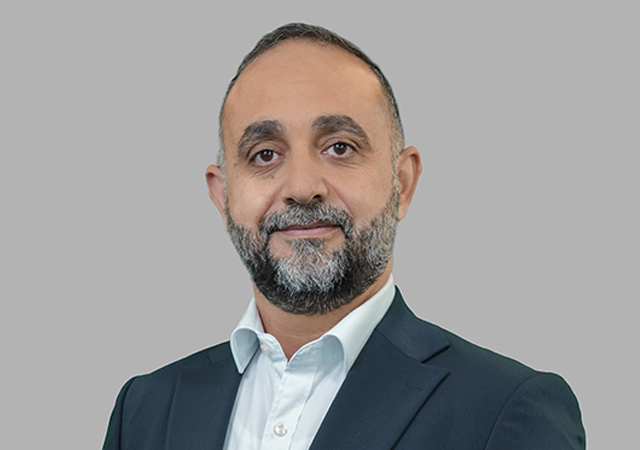
Ahmad Shafik
For industrial companies, opportunities include deploying efficient motors and drives, implementing energy management systems, improving power quality and advancing electrification strategies. Beyond reducing energy costs, these measures can enhance productivity, competitiveness and sustainability performance.
Shafik also stresses the need for stronger collaboration between governments, utilities, technology providers and investors. Ultimately, he argues that meeting the Gulf’s future energy needs will depend not only on expanding power infrastructure, but also on using energy more efficiently. As he puts it, “energy efficiency should be treated as a first fuel”, alongside technology deployment and grid modernisation, to deliver reliable, affordable and sustainable power.
Excerpts from the interview:
As AI, data centres, and industrial electrification drive unprecedented power demand, can the Gulf meet its energy needs through infrastructure expansion alone, or must energy efficiency become an equal strategic priority?
Infrastructure expansion and energy efficiency need to be planned together. Rising demand requires grids to evolve and scale, while efficiency helps us make better use of the electricity already available. Every megawatt saved through efficiency reduces the need for additional generation and transmission, and for fuel consumption.
That is why efficiency should be treated as a “first fuel” and integrated into national energy planning alongside grid expansion and renewable energy deployment. It supports energy security, affordability, and competitiveness as the region’s electricity needs grow. Hitachi Energy is advancing HVDC, transformers, switchgear, digitalization, and automation to modernise grids and meet rising demand.
Electricity demand across the Gulf is rising rapidly, driven by industrial growth, AI, and data centres. How do you see the region’s power landscape evolving over the next decade?
The electricity system will need to serve growing demand from industry, electrification, and digital infrastructure while integrating more renewable energy. This places greater importance on grids that can evolve and scale.
Grid modernisation, automation, and real-time monitoring will help manage a more complex system and make more efficient use of its assets. Generation, networks, and energy efficiency all need a place in planning for the region’s future demand. To support that grid evolution, Hitachi Energy has committed more than $9 billion globally to scale manufacturing, research and development, and digitalisation, and is adding 15,000 people by 2027.
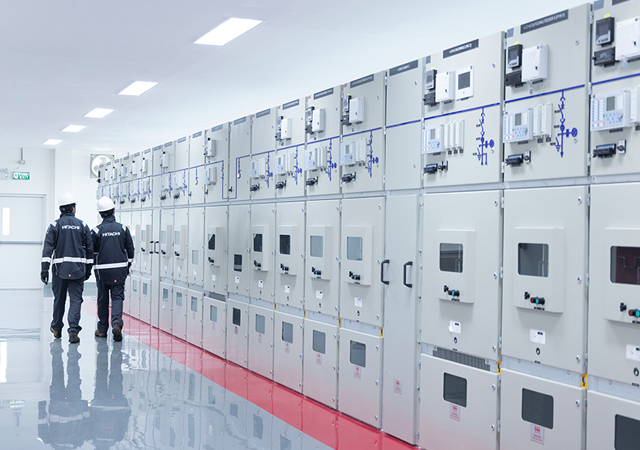
Hitachi Energy: powering growth
Much of the focus is on adding generation capacity and expanding grids. Is energy efficiency receiving the attention it deserves as a solution to rising demand?
Energy efficiency needs a stronger place in planning and investment decisions. Adding generation and expanding grids are essential, but efficiency can reduce the amount of additional capacity and fuel required to meet demand. The opportunity is to embed efficiency in national energy plans, industrial development, and urban planning, then measure the results. It should be considered alongside new infrastructure from the outset.
AI and data centres are expected to become major power consumers in the region. How can Gulf countries meet this demand without placing unsustainable pressure on their energy systems?
Data centre growth and grid development need to be planned together. AI workloads can create large and changing electricity demands, making grid flexibility and power quality important.
Grid expansion, digital controls, storage, and power quality solutions can help the system respond while integrating renewable energy. Efficiency also has a role: reducing avoidable electricity use eases pressure on generation, networks, and fuel supply. Hitachi Energy’s grid automation and power quality technologies help stabilise modern grids amid renewable generation and data centre-driven demand volatility.
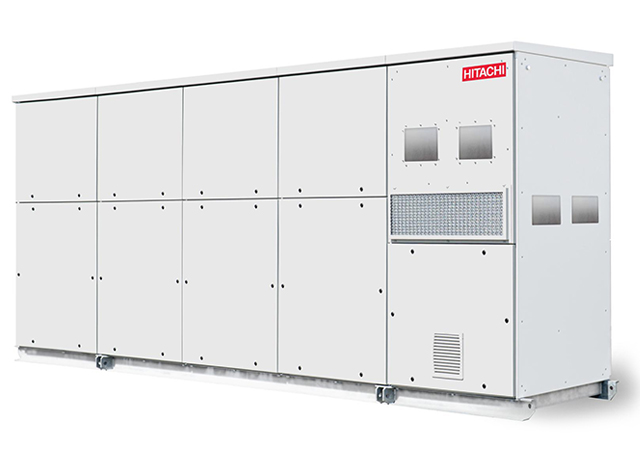
Hitachi Energy’s power conversion stations
Do you believe energy efficiency is the industry’s most underutilised tool for addressing future power needs? Why?
Energy efficiency is one of the most important tools available for meeting future demand. It can deliver savings through technologies and practices already available, while supporting energy security, affordability, and competitiveness.
It should be approached as a “first fuel.” When planning for rising demand, we need to consider the electricity that can be saved alongside the electricity that must be generated and delivered.
What role can digital technologies, automation, and real-time data play in helping utilities and industries reduce energy consumption and system losses?
Digital technologies, automation, and real-time monitoring help utilities and industries understand how electricity is being used and where losses occur. AI-enabled analytics can support better decisions about energy consumption and the operation of electrical assets.
For grids, these tools can improve efficiency while supporting the integration of renewable energy. For the industry, energy management systems and digital asset management can help identify opportunities to use electricity more efficiently. At Hitachi Energy, we combine IT and operational technology expertise with AI-driven digitalisation to help customers plan ahead and make decisions with confidence.
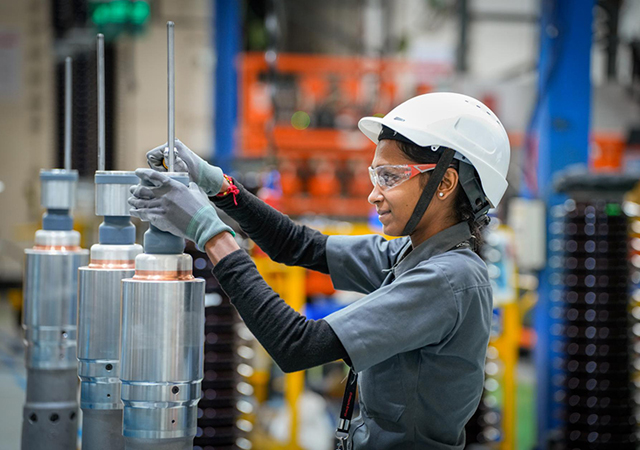
`Energy efficiency can support productivity and competitiveness’
As the Gulf competes to attract data centre and AI investments, how important will energy efficiency be in maintaining competitiveness and ensuring a reliable power supply?
Energy efficiency is part of meeting growing demand while maintaining reliable and affordable electricity. Every megawatt saved reduces pressure on the wider power system.
AI infrastructure and grids need to be developed together, with attention to flexibility and power quality. Those priorities belong alongside efficiency as the Gulf plans for additional digital infrastructure.
What are the biggest opportunities for industrial companies to reduce energy consumption while maintaining productivity and growth?
The opportunities include energy management systems, efficient motors and drives, power quality solutions, and digital asset management. Electrification can also support more efficient industrial operations when it is planned as part of a wider energy strategy. Efficiency is both a sustainability objective and a business priority. It can help industrial companies improve productivity and competitiveness while managing their electricity use as they grow.
Beyond lowering energy costs, what strategic business benefits can companies gain from investing in energy efficiency?
Energy efficiency can support productivity and competitiveness while helping companies meet sustainability objectives. Reducing consumption also lowers pressure on the electricity infrastructure and fuel supply. For growing industries, the broader opportunity is to expand economic activity while limiting the increase in energy intensity. That is why efficiency belongs in both business planning and national energy planning.
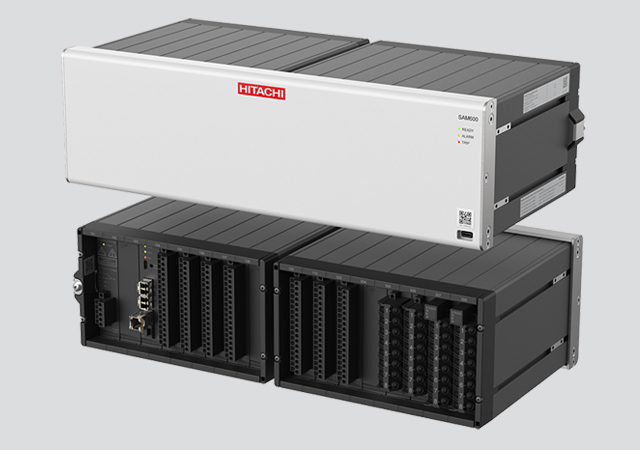
‘Digital technologies and automation can help utilities and industries reduce losses’
You have highlighted the importance of initiatives such as the Global Energy Efficiency Alliance. How can greater collaboration between governments, utilities, technology providers, and investors accelerate progress?
No single stakeholder can deliver the pace of improvement required alone. Governments can provide policy direction and supportive regulation, while utilities, technology providers, and industry each have a role in deploying efficiency solutions. Financial institutions can help scale investment through appropriate financing mechanisms. Collaboration needs to lead to implementation and measurable outcomes. That means removing barriers to investment, deploying proven technologies, and tracking the efficiency improvements they deliver. Hitachi Energy puts that approach into practice by co-creating global and local solutions through long-term partnerships.
If you could deliver one message to policymakers and business leaders planning for the Gulf’s future energy needs, what would it be?
Make energy efficiency part of the plan from the beginning. The region needs to expand and modernise its electricity infrastructure, but it must also make better use of the energy it generates and delivers. The next decade should be about implementation: accelerating investment, strengthening partnerships, deploying proven technologies at scale, and measuring the results. At Hitachi Energy, our goal is to help evolve the energy system so electricity is abundant, secure, affordable, and sustainable for today’s generation and the next.