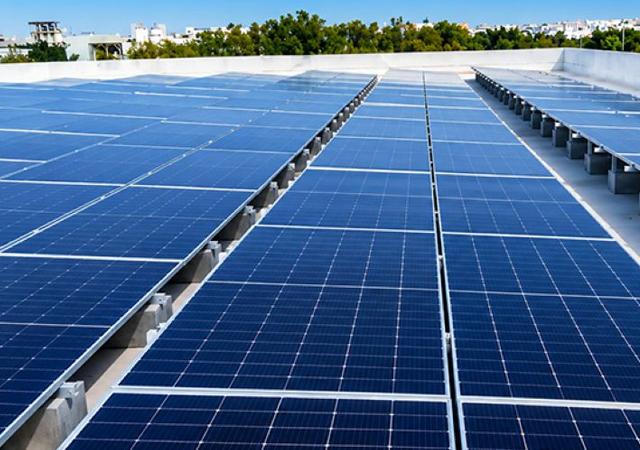
 Major solar developments are set to increase renewable energy’s share of Qatar’s installed power capacity to nearly 26pc by 2035
Qatar is stepping up investment in utility-scale solar energy as it seeks to diversify its power mix, reduce reliance on natural gas for domestic electricity generation and lower emissions, while continuing to rely on gas-fired power as the backbone of grid stability.
According to a new report by GlobalData, renewable energy is expected to play an increasingly important role in the country’s electricity sector over the next decade. The research forecasts that renewables will account for 25.9 per cent of Qatar’s total installed power capacity by 2035, up from 12 per cent in 2025, driven primarily by large-scale solar photovoltaic (PV) projects.
GlobalData’s latest report, Qatar Power Market Trends and Analysis by Capacity, Generation, Transmission, Distribution, Regulations, Key Players and Forecast to 2035, projects overall installed power capacity to grow at a compound annual growth rate (CAGR) of 4.2 per cent between 2025 and 2035. Solar PV is expected to lead that growth, expanding at a CAGR of 12.4 per cent over the same period.
Solar Gains Momentum
Qatar’s solar ambitions are being driven by the Qatar National Renewable Energy Strategy, with several major projects already contributing to the country’s transition towards a more diversified energy portfolio.
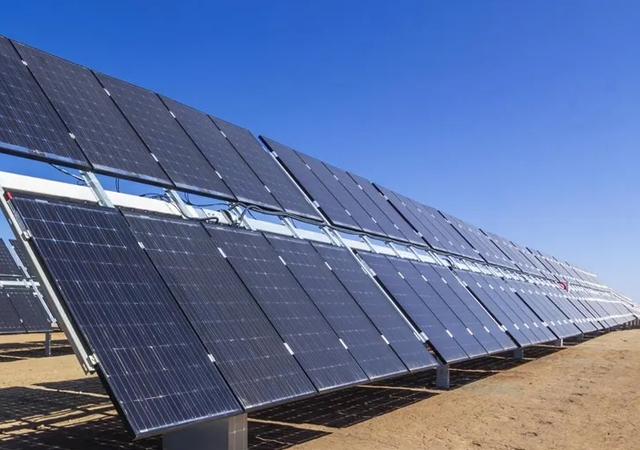
These include the Al Kharsaah Solar PV Power Plant, as well as recently commissioned solar facilities at Ras Laffan and Mesaieed. Further momentum is expected from the large-scale Dukhan solar development, reinforcing the country’s commitment to expanding low-cost renewable generation capacity.
“Qatar’s power sector is evolving from near-total reliance on natural gas towards a more balanced generation mix,” said Attaurrahman Ojindaram Saibasan, Power Analyst at GlobalData. “The development of large-scale solar projects demonstrates strong momentum in deploying clean energy capacity across the country while supporting national sustainability goals.”
Natural Gas Remains Central
Despite the rapid growth of solar power, natural gas is expected to remain the dominant source of electricity generation for the foreseeable future.
Combined-cycle gas turbine plants and cogeneration facilities continue to underpin Qatar’s power and water infrastructure, particularly through the country’s Independent Water and Power Projects (IWPPs). These facilities provide dispatchable electricity to meet peak cooling demand during the summer months while also supplying thermal energy for seawater desalination.
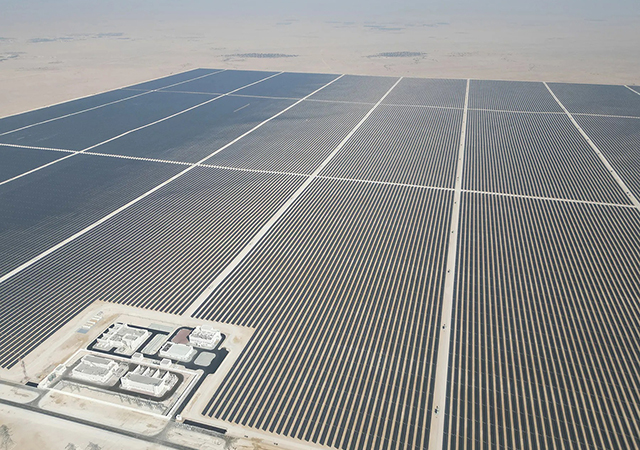
Qatar’s power sector is evolving from near-total reliance on natural gas towards a more balanced generation mix
As a result, natural gas capacity is forecast to account for approximately 74 per cent of cumulative installed capacity in 2035, even as renewable energy capacity expands.
The unique integration of power generation and water production remains a defining feature of Qatar’s utility sector. Gas-fired plants play a critical role in ensuring uninterrupted water supplies while providing the flexibility needed to balance increasing volumes of solar generation.
According to GlobalData, expanding flexible gas-fired capacity and modernising grid management systems will be essential if Qatar is to successfully integrate its planned 4GW renewable energy target by 2030 without compromising system reliability.
Policy Support Driving Investment
Qatar’s energy transition continues to be guided by the Third National Development Strategy and Qatar National Vision 2030, supported by a range of initiatives aimed at increasing renewable energy deployment and reducing carbon emissions.
Key measures include the Qatar National Renewable Energy Strategy, updated carbon-reduction commitments under the country’s Nationally Determined Contribution (NDC), and net-billing regulations introduced by Kahramaa to encourage distributed renewable generation.
The country’s single-buyer electricity market model also continues to provide stability for investors. Under this structure, Kahramaa purchases power and desalinated water through long-term offtake agreements, reducing market risk and supporting private-sector participation in large infrastructure projects.
Balancing Growth and Reliability
Beyond environmental objectives, Qatar’s solar expansion also has a clear economic rationale. By increasing renewable generation domestically, the country can free up additional natural gas volumes for export through its expanding LNG business while reducing the carbon intensity of its power sector.
“Qatar is leveraging its exceptional solar resource and strong financial position to maximise the value of its natural gas reserves while advancing decarbonisation goals,” noted Saibasan.
As renewable capacity continues to grow, maintaining system reliability will remain a priority. The successful integration of solar energy will depend on continued investment in grid infrastructure, flexible generation assets and regional interconnection networks.
With major projects moving forward and policy support firmly in place, Qatar is positioning itself to balance renewable energy growth with the reliability of its established gas-fired generation fleet, creating a power system that supports both economic development and long-term sustainability objectives.