 Nuclear and solar are reshaping Abu Dhabi’s energy future
Abu Dhabi has undergone one of the region’s most significant energy transitions over the past five years, with renewable and clean electricity generation increasing more than tenfold between 2020 and 2025, according to data released by Emirates Water and Electricity Company (EWEC).
The figures illustrate how the emirate is rapidly diversifying its power mix through the large-scale deployment of nuclear, solar and wind energy, reducing reliance on conventional generation while maintaining electricity supply for a growing economy.
EWEC’s data shows that renewable and clean energy generation rose from approximately 4,100 gigawatt hours (GWh) in 2020 to more than 49,300 GWh in 2025. As a result, clean and renewable sources now account for nearly 46 per cent of Abu Dhabi’s electricity generation, compared with less than 5 per cent five years earlier.
Nuclear and Solar Drive Growth
The transformation has been driven largely by the commissioning of major energy projects developed over the past decade.
A key contributor has been the Barakah Nuclear Energy Plant, whose four units were brought online progressively between 2020 and 2024. As the first nuclear power plant in the Arab world, Barakah has added a substantial source of round-the-clock, emissions-free electricity to the UAE grid.
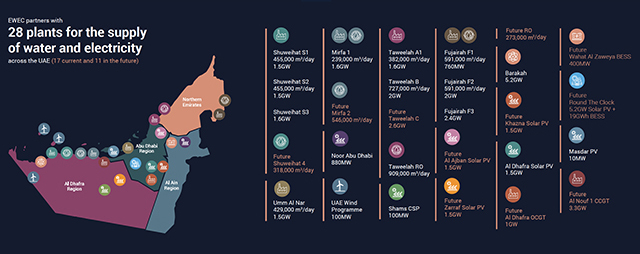
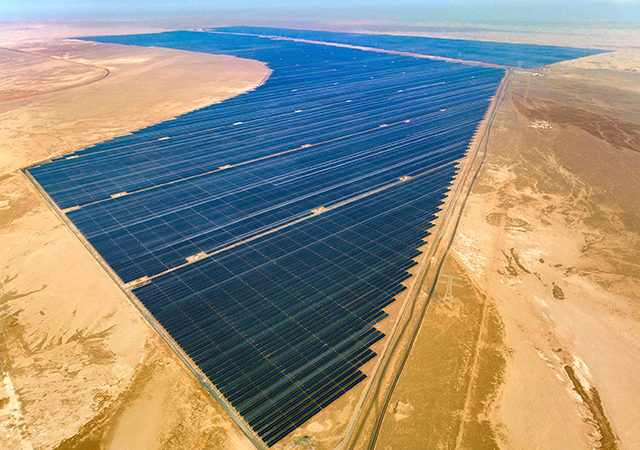
Solar energy has also played a central role, with projects such as Noor Abu Dhabi and Al Dhafra Solar PV significantly expanding utility-scale renewable generation capacity. Both facilities rank among the world’s largest single-site solar developments and have helped accelerate the integration of renewable energy into the power system.
Balancing Growth and Decarbonisation
The rapid increase in clean energy generation highlights the growing importance of long-term planning as utilities seek to balance rising electricity demand with decarbonisation objectives.
According to Mohamed Almarzooqi, Chief Assets Officer at EWEC, the progress reflects a strategy centred on diversifying generation sources while maintaining system reliability and energy security.
The challenge facing power systems globally is not only adding renewable capacity but also integrating variable sources of generation while ensuring stable supplies of electricity. In Abu Dhabi’s case, the combination of nuclear baseload power and large-scale solar generation has created a more diversified electricity mix that reduces carbon intensity while supporting economic growth.
The Next Phase
The expansion of renewable and clean energy capacity is expected to continue. Abu Dhabi has already announced plans for additional solar developments and large-scale battery energy storage projects designed to enhance grid flexibility and support the integration of higher levels of renewable generation.
Energy storage is increasingly viewed as a critical component of future power systems, helping balance fluctuations in solar output and improving the reliability of electricity networks.
The latest figures also reflect broader national ambitions, including the UAE’s Net Zero 2050 Strategic Initiative and Abu Dhabi’s long-term clean energy targets. As utilities across the Gulf grapple with rising demand driven by population growth, industrial development and emerging sectors such as AI and data centres, Abu Dhabi’s experience offers a case study in how large-scale investments in clean energy can reshape an electricity system within a relatively short period.
The next challenge will be sustaining that momentum while ensuring the grid remains resilient, flexible and capable of accommodating an even greater share of renewable energy in the years ahead.
Abu Dhabi has undergone one of the region’s most significant energy transitions over the past five years, with renewable and clean electricity generation increasing more than tenfold between 2020 and 2025, according to data released by Emirates Water and Electricity Company (EWEC).
The figures illustrate how the emirate is rapidly diversifying its power mix through the large-scale deployment of nuclear, solar and wind energy, reducing reliance on conventional generation while maintaining electricity supply for a growing economy.
EWEC’s data shows that renewable and clean energy generation rose from approximately 4,100 gigawatt hours (GWh) in 2020 to more than 49,300 GWh in 2025. As a result, clean and renewable sources now account for nearly 46 per cent of Abu Dhabi’s electricity generation, compared with less than 5 per cent five years earlier.
Nuclear and Solar Drive Growth
The transformation has been driven largely by the commissioning of major energy projects developed over the past decade.
A key contributor has been the Barakah Nuclear Energy Plant, whose four units were brought online progressively between 2020 and 2024. As the first nuclear power plant in the Arab world, Barakah has added a substantial source of round-the-clock, emissions-free electricity to the UAE grid.
Solar energy has also played a central role, with projects such as Noor Abu Dhabi and Al Dhafra Solar PV significantly expanding utility-scale renewable generation capacity. Both facilities rank among the world’s largest single-site solar developments and have helped accelerate the integration of renewable energy into the power system.
Balancing Growth and Decarbonisation
The rapid increase in clean energy generation highlights the growing importance of long-term planning as utilities seek to balance rising electricity demand with decarbonisation objectives.
According to Mohamed Almarzooqi, Chief Assets Officer at EWEC, the progress reflects a strategy centred on diversifying generation sources while maintaining system reliability and energy security.
The challenge facing power systems globally is not only adding renewable capacity but also integrating variable sources of generation while ensuring stable supplies of electricity. In Abu Dhabi’s case, the combination of nuclear baseload power and large-scale solar generation has created a more diversified electricity mix that reduces carbon intensity while supporting economic growth.
The Next Phase
The expansion of renewable and clean energy capacity is expected to continue. Abu Dhabi has already announced plans for additional solar developments and large-scale battery energy storage projects designed to enhance grid flexibility and support the integration of higher levels of renewable generation.
Energy storage is increasingly viewed as a critical component of future power systems, helping balance fluctuations in solar output and improving the reliability of electricity networks.
The latest figures also reflect broader national ambitions, including the UAE’s Net Zero 2050 Strategic Initiative and Abu Dhabi’s long-term clean energy targets. As utilities across the Gulf grapple with rising demand driven by population growth, industrial development and emerging sectors such as AI and data centres, Abu Dhabi’s experience offers a case study in how large-scale investments in clean energy can reshape an electricity system within a relatively short period.
The next challenge will be sustaining that momentum while ensuring the grid remains resilient, flexible and capable of accommodating an even greater share of renewable energy in the years ahead.