


































 A cloud-powered transformation is helping Shuwaikh Port enhance terminal efficiency and cargo-handling performance
With ports across the Middle East accelerating their digital transformation strategies, terminal operators are increasingly turning to advanced software platforms to improve cargo flow, optimise asset utilisation and enhance supply chain visibility. The latest example comes from Kuwait, where Shuwaikh Port is set to implement a new cloud-based terminal operating system (TOS) as part of a broader modernisation programme.
CyberLogitec, a provider of terminal operating systems and logistics IT solutions, has signed an agreement to deploy its OPUS Terminal M platform at Shuwaikh Port, one of Kuwait’s most important commercial gateways. The project forms part of a wider digitalisation initiative led by Kuwait-based infrastructure company Alghanim Specialities.
The implementation reflects a growing recognition among port operators that digital tools are becoming essential to managing increasingly complex cargo handling environments. With rising trade volumes, tighter turnaround requirements and higher expectations for supply chain transparency, terminals are under pressure to improve productivity while maintaining safe and efficient operations.
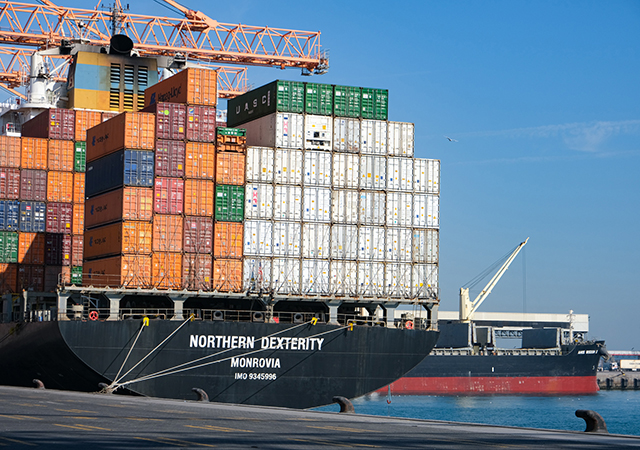
Smart technology meets maritime logistics as Shuwaikh Port advances its digitalisation journey
At the centre of the project is OPUS Terminal M, a cloud-based terminal operating system designed to manage terminal activities through a single integrated platform. The solution covers vessel planning and operations, yard management, equipment deployment, gate processes, operational monitoring and data management.
For materials handling operations, the ability to integrate these functions into a unified system can deliver significant benefits. Real-time visibility of cargo movements, equipment status and yard activities enables operators to make faster decisions, reduce bottlenecks and improve the utilisation of terminal assets.
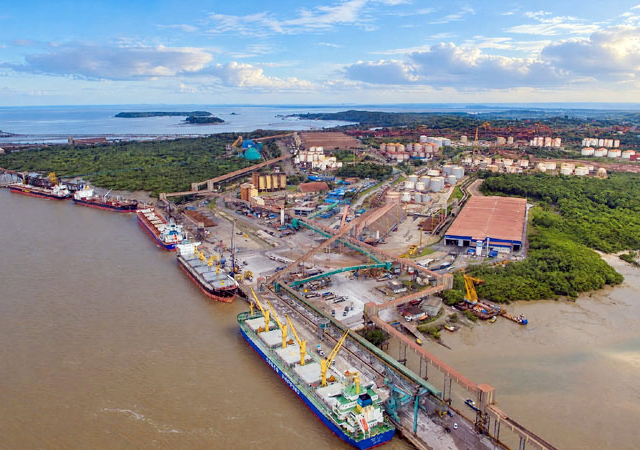
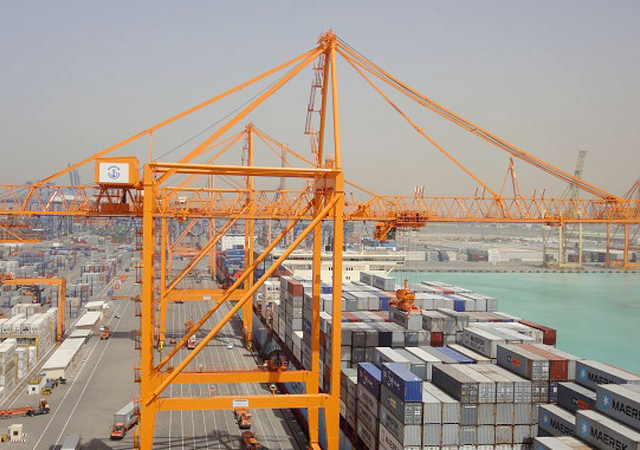
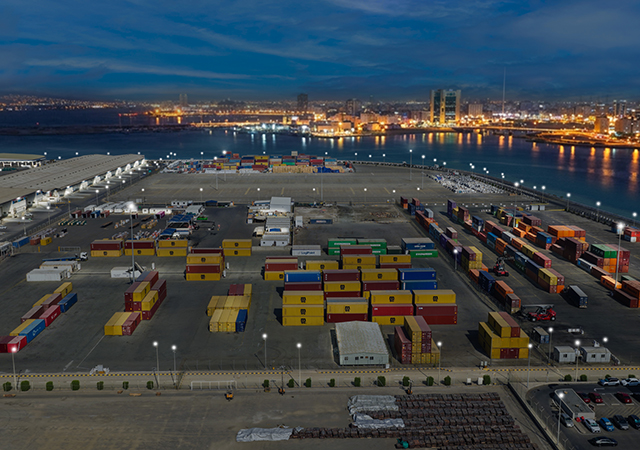
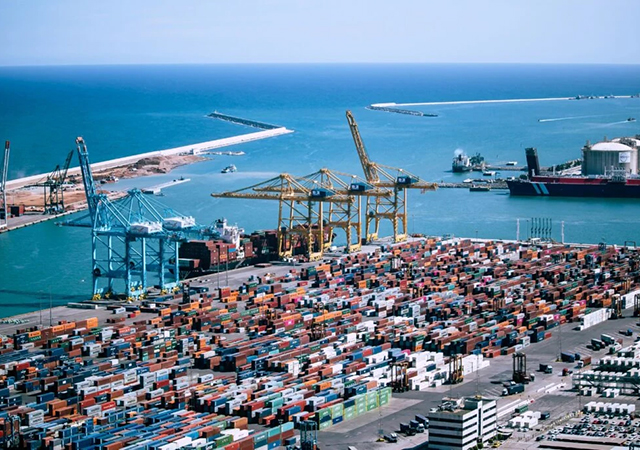
Located near Kuwait City, Shuwaikh Port plays a critical role in the country’s logistics network. The facility handles a mix of containerised cargo, general cargo and roll-on/roll-off (Ro-Ro) traffic, serving as a key gateway for imports and exports. Its extensive berthing infrastructure and cargo handling facilities make it a vital link in Kuwait’s supply chain.
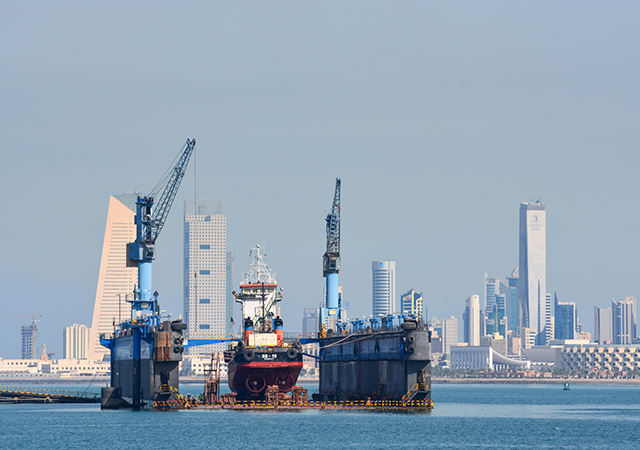
Shuwaikh Port embraces digital terminal management with the deployment of CyberLogitec’s OPUS Terminal M platform
As cargo volumes continue to grow and customer expectations evolve, digitalisation is increasingly viewed as a key enabler of operational efficiency. Modern terminal operating systems can support more accurate planning, enhanced coordination between operational teams and improved management of equipment and cargo flows throughout the terminal.
The Shuwaikh Port project also underlines the increasing adoption of cloud-based technologies within the ports sector. By providing centralised data access and real-time operational insights, cloud platforms can help terminals respond more effectively to changing conditions while supporting long-term scalability.
For CyberLogitec, the Kuwait deployment strengthens its presence in the Middle East at a time when regional investment in port infrastructure and smart logistics solutions continues to expand. The company has been growing its footprint internationally through deployments of its terminal operating systems and related digital technologies.
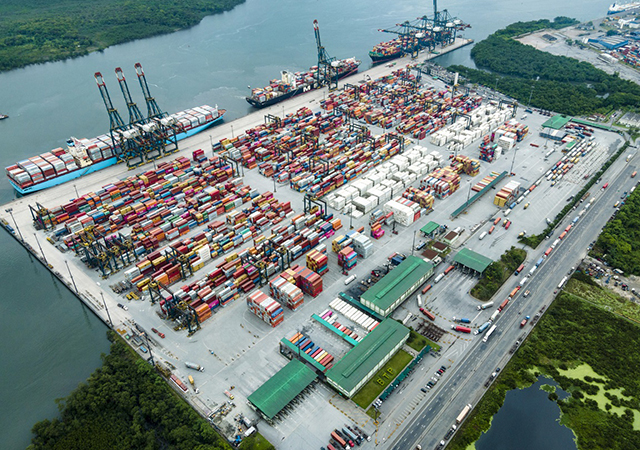
Shuwaikh Port’s smart transformation gains momentum
The agreement follows CyberLogitec’s recent contract with TTI Algeciras in Spain, where the company will provide OPUS Terminal and Digital Twin solutions for the terminal’s B1 Expansion Project. Together, the projects reflect increasing demand for technologies that can help terminals improve operational performance, asset visibility and decision-making.
Beyond terminal operating systems, CyberLogitec has continued to broaden its portfolio to include Digital Twin applications, operational visibility platforms and AI-enabled smart terminal technologies. These solutions are designed to help port operators gain deeper insight into terminal activities while creating the foundations for more automated and data-driven operations.
As ports worldwide seek to improve resilience, efficiency and throughput, investments in digital infrastructure are becoming as critical as investments in physical equipment. The Shuwaikh Port deployment illustrates how technology is increasingly shaping the future of cargo handling, helping operators manage growing operational complexity while supporting faster and more efficient movement of goods through the supply chain.