





 Red Sea Cables: plugging into the next power revolution
Power infrastructure expansion and renewable energy growth are transforming Saudi Arabia’s energy landscape, prompting cable manufacturers to innovate with higher-capacity, next-generation transmission solutions.
For Red Sea Cables, the launch of its 132 kV high-voltage cable capabilities marks more than a product expansion. It represents a strategic milestone in a long-term plan to cover the entire power transmission spectrum from low-voltage applications through to extra-high-voltage networks.
“Entering the high-voltage segment up to 132 kV is a strategic decision for us, as our intention is not to stop here. We would like to go ahead from here to super extra-high voltage, which is the 400 kV class,” Rajesh Seth, Managing Director, Red Sea Cables tells Gulf Industry in an exclusive interview.
The move strengthens the company’s position in a segment that is increasingly critical to Saudi Arabia’s long-term energy ambitions while reinforcing local manufacturing capabilities at a time when countries are placing greater emphasis on supply-chain resilience and industrial self-sufficiency.
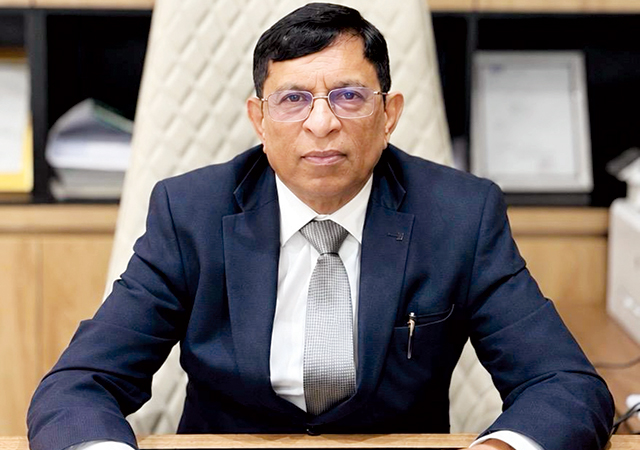
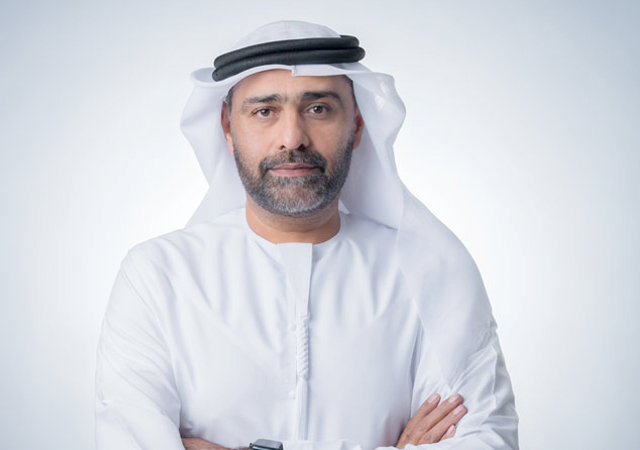
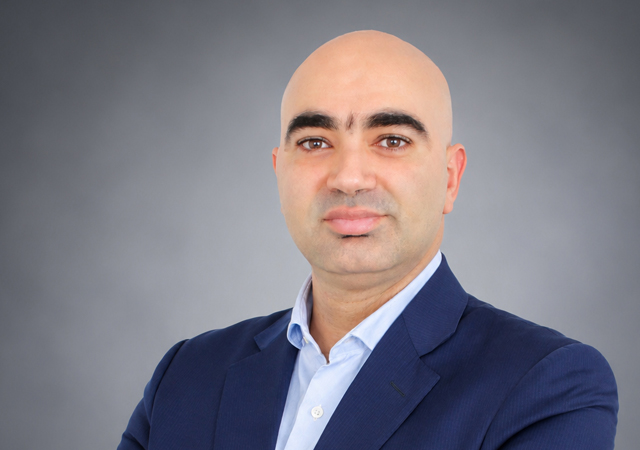
Rajesh Seth: driving the high-voltage opportunity
A Strategic Step Up
For Red Sea Cables, high-voltage manufacturing is about much more than entering a new market category. It is part of a longer-term roadmap designed to expand its product portfolio across the full transmission spectrum.
“132 kV is an essential element for moving into the next segment, which is the 220 kV class, and then from there to the 400 kV class,” says Seth.
The company’s entry into the 132 kV segment is driven by a clear objective: to strengthen local manufacturing capacity while positioning itself for future expansion into the 220 kV and ultimately 400 kV classes. According to the company, high-voltage manufacturing is not the final destination but an essential stepping stone toward serving the full range of transmission requirements in the Kingdom and beyond.
“It is a step forward towards reaching our goal of covering the entire range, from 0.6 kV to 400 kV, of the cables that we manufacture,” says Seth.
This move significantly alters Red Sea Cables’ position within the regional market. Traditionally known for its established cable manufacturing operations, the company now aims to compete in a technically demanding segment that requires advanced design, engineering, production and testing capabilities. Expanding into high-voltage transmission allows the company to serve a wider range of customers and applications while demonstrating the engineering expertise necessary to participate in critical national infrastructure projects.
“Our entry into the high-voltage segment defines the engineering capabilities of Red Sea Cable Company, as well as where the company is now headed,” Seth says.
Building a one-stop power transmission partner
At the heart of the investment is a broader ambition to evolve into a comprehensive supplier for the power transmission sector. The company sees high-voltage manufacturing as a natural progression in its strategy to become a one-stop provider for utilities, energy developers and infrastructure projects.
“The key driver is our ambition to establish Red Sea Cables as a pioneer and one-stop cable solutions provider for the power transmission sector,” says Seth.
While Seth stops short of describing the company as a full infrastructure solutions partner today, he acknowledges that future expansion into adjacent energy and utility segments remains a possibility. The immediate focus, however, is on strengthening engineering capabilities and creating greater value through a wider portfolio of transmission products.
“It is still early to assess how this business potential will translate into future opportunities. However, we do not rule out expanding into new segments related to energy and utilities. Our focus is to build on our engineering capabilities and explore opportunities that create greater value for our customers,” Seth says.
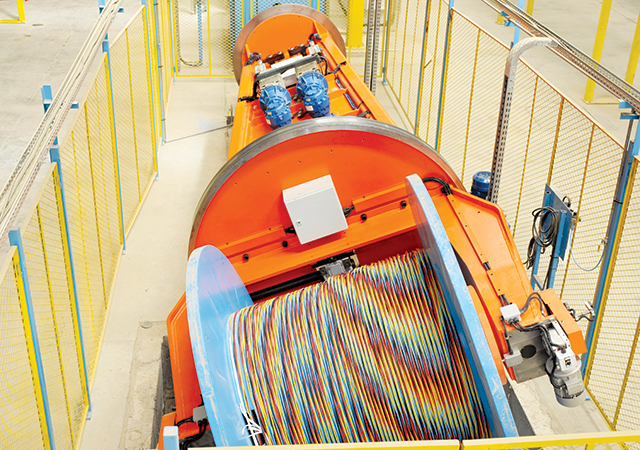
Scaling up for Saudi Arabia’s power future
Looking Beyond Domestic Markets
As regional demand for modern power infrastructure continues to rise, export growth is expected to play an increasingly important role in the company’s long-term strategy.
“The world is open, and those who believe in limiting boundaries never succeed,” says Seth.
Red Sea Cables identifies the Middle East, North Africa (Mena) and Africa as markets with significant potential, driven by ongoing investments in grid expansion, electrification programmes and renewable energy developments. The company believes opportunities exist well beyond domestic borders, although each market must be evaluated on its competitive dynamics and commercial potential.
A Supply Chain Built on Relationships
The disruptions experienced across global supply chains in recent times have highlighted the importance of reliable sourcing strategies across the manufacturing sector. For cable manufacturers, where quality and consistency of raw materials are paramount, supplier relationships can directly impact production continuity.
Red Sea Cables says its long-standing relationships with strategic suppliers have helped it navigate recent challenges while maintaining uninterrupted access to critical inputs. The company views its supplier network as a key competitive strength supporting future growth plans.
At the same time, it believes regional manufacturers have an increasingly important role to play in strengthening supply-chain resilience. Supported by government-led localisation initiatives, local production can reduce reliance on imports while ensuring a faster and more responsive supply base for infrastructure projects.
“Local manufacturing will continue to enhance under the able guidance of the present initiatives of the government, and we will continue to respond to the requirements of regional demand,” Seth says.
The Challenge of Moving Up the Voltage Ladder
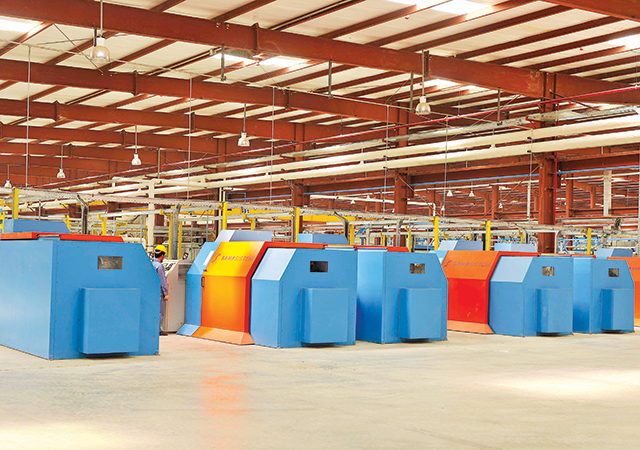
Transitioning from medium-voltage to high-voltage cable production is a significant undertaking. Beyond investment in sophisticated manufacturing equipment, it requires advanced engineering expertise, precision design capabilities and rigorous testing procedures.
The company notes that compliance with national grid requirements and international standards becomes increasingly critical as voltage levels rise. To support its expansion into the 132 kV segment, Red Sea Cables has invested in both technology and technical capabilities designed to meet exacting customer and regulatory requirements.
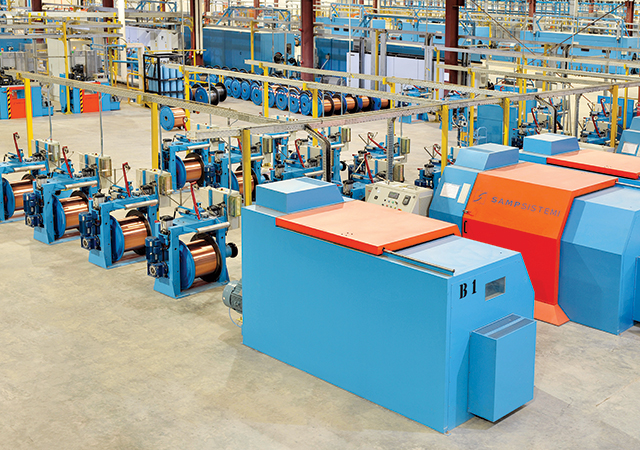
Red Sea Cables: building the backbone of tomorrow’s grid
Preparing for a Smarter, Greener Grid
Looking ahead, the company expects advances in materials science, digitalisation and smart-grid technologies to continue reshaping the cable industry. As power networks become more intelligent and interconnected, manufacturers will be required to deliver products capable of supporting greater efficiency, reliability and performance.
“Green energy is at the core of Saudi Arabia’s drive towards the energy sector.”
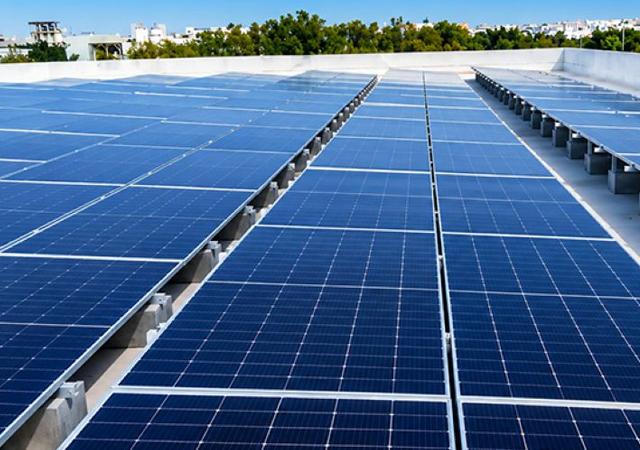
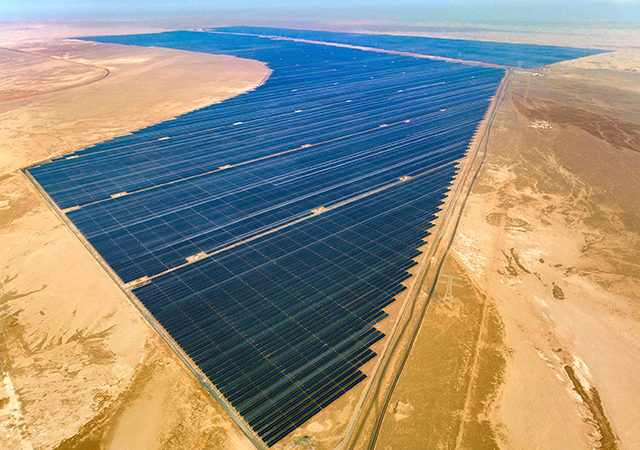
The shift toward renewable energy presents an especially significant opportunity, he points out. Alongside investments in transmission infrastructure, solar installations and grid integration projects are expected to drive demand for specialised cable solutions over the coming decade. Red Sea Cables sees strong growth potential not only in traditional transmission applications but also in solar cable systems and renewable energy projects.
“We perceive that efforts towards renewable energy will gather further momentum in time to come, and as such, we see huge opportunities in solar cables,” Seth reveals.
Vision 2030 and the Road Ahead
For Saudi Arabia’s power sector, the coming decade will be defined by a combination of localisation, technological advancement and sustainability. The Kingdom’s efforts to expand renewable energy generation while strengthening conventional transmission infrastructure are creating substantial opportunities across the value chain.
“Saudi Arabia has developed strong capabilities in the power and transmission sector, enabling it not only to meet its domestic requirements but also to increasingly compete in international markets,” Seth says.
Red Sea Cables believes success by 2030 will depend on continuous product development, technological innovation and maintaining the trust of customers through quality and reliability. Its own ambition is clear: to become a comprehensive cable solutions provider capable of supporting increasingly complex power networks and infrastructure developments.
“Our ambition is to become a comprehensive, one-stop cable solutions provider.”
The company also sees the broader Saudi market benefiting from major national initiatives, including Expo 2030, the FIFA World Cup 2034 and ongoing economic diversification programmes. These projects, coupled with rising electricity demand and continued investment in energy infrastructure, are expected to generate significant opportunities for manufacturers prepared to meet the highest quality standards.
And for the industry as a whole, success will depend on maintaining quality while preparing for rapid growth. “Sustainability is going to be the hallmark of the coming decade,” Seth opines.
For Red Sea Cables, the move into 132 kV production is not simply an expansion of manufacturing capacity. It is a statement of intent, signalling the company’s ambition to play a larger role in shaping the future of Saudi Arabia’s evolving power transmission landscape.