











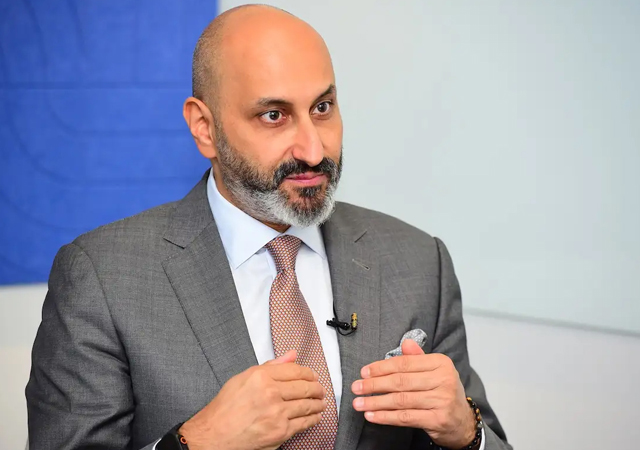












 Amin Nasser
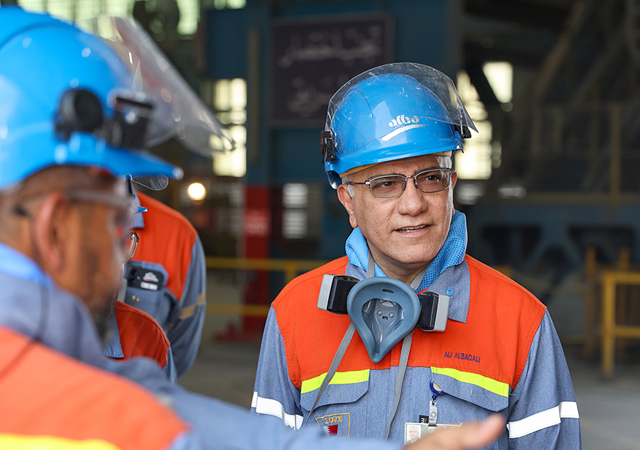
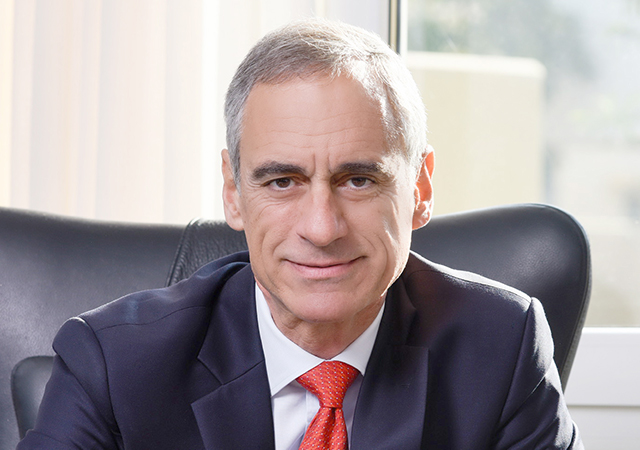
Global oil inventories have depleted to "scarily thin" levels, and rebuilding the world's energy buffers could take up to two years once vital shipping lanes reopen, Saudi Aramco President and CEO Amin Nasser warned Monday.
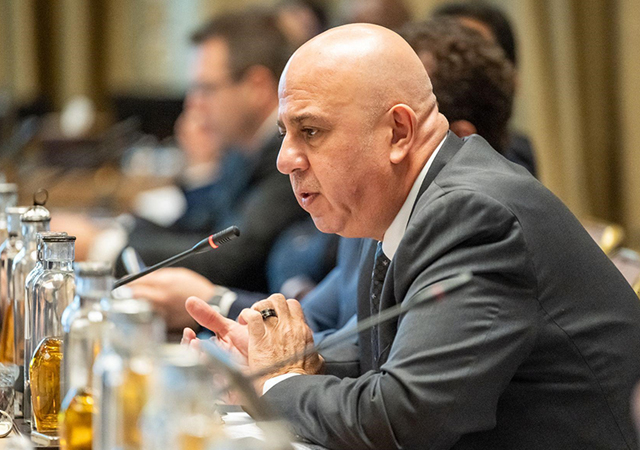
Speaking in his first in-person public address since regional conflicts disrupted maritime transit earlier this year, Nasser delivered a stark assessment of global energy security at the Energy Intelligence Forum 2026 in London.
The Supply Deficit
The prolonged closure of the Strait of Hormuz has severely strained global oil infrastructure. Nasser revealed the scale of the disruption, noting that nearly 3 billion barrels of gross oil supply have been lost to the market since the transit disruptions began.
"The world entered this crisis with almost 10 billion barrels of global oil stocks, all told. Since then, nearly 3 billion barrels of gross oil supply has been lost, or roughly half the crude and products that would normally have moved through Hormuz over the same period.
" This has been mitigated by more than 1 billion barrels from those stocks. But most of that came from onshore commercial inventories, which was the last major tool in the box.
"And estimates suggest less than 6 billion barrels of commercial inventories remain today, with the vast majority not practically available. So the system is already straining.
"And, with precious little else the world can turn to, the supply resilience cushion is scarily thin. Replacing these depleted stockpiles while simultaneously keeping up with rising global energy demand will be a multi-year challenge."
Even under optimal conditions, Nasser estimated a two-year timeline to restore inventories to secure levels after the strait fully reopens.
He also highlighted that supplies must be affordable too. The IMF has modelled a severe scenario where global economic growth falls to just 2% next year, while inflation rises above 6%. The longer the disruption continues, the risk of this happening only grows, he said.
"When energy becomes scarce or unaffordable, the most vulnerable suffer hardest and they suffer first."
Aramco's Contingency Measures
Despite the macro-level supply squeeze, Nasser reassured the market of Saudi Arabia's internal operational resilience.
• Max capacity ready: Aramco's extraction and distribution network remains fully intact. The company can activate its maximum sustainable capacity of 12 million barrels per day (bpd) within a matter of days.
• Alternative routing: To bypass the blocked strait, Aramco is actively utilising alternative shipping nodes including Yanbu, Sidi Kerir, and Port Said.
• Future proofing: The state-backed energy giant is currently studying fourth and fifth alternative crude export routes alongside expanded overseas storage facilities to insulate future supply chains.
A Call for Global Coordination
Nasser concluded his address with a sharp call to action for the international community. He emphasised that individual state or supplier actions are no longer enough to safeguard the global economy from geopolitical shocks. Moving forward, he urged closer alignment between international policymakers, energy suppliers, and major consuming nations to build a shared, resilient energy architecture.
Oil exports reach pre-war levels
Meanwhile, Reuters reported that Gulf oil exporters topped pre-war levels for about half of September, shipping data showed on Monday, though attacks on tankers and logistical constraints cloud the outlook for sustained higher flows.
Ships transiting the Strait of Hormuz face a "heightened and increasingly unpredictable kinetic threat" given the recent sharp increase in traffic, Marisks, a shipping intelligence service, said on Saturday.
Oil prices made slight gains on Tuesday as security concerns in the Middle East kept a geopolitical risk premium in the market, even as resilient regional crude exports and a G7 emergency stockpile release eased supply concerns, said Reuters.
Brent crude futures were up 27 cents, or 0.3%, at $100.59 a barrel at around 0330 GMT, while US West Texas Intermediate crude futures rose 30 cents, or 0.3%, to $89.73 a barrel.