





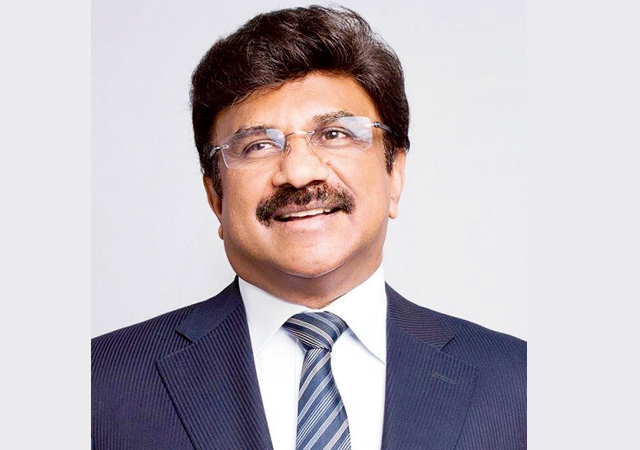
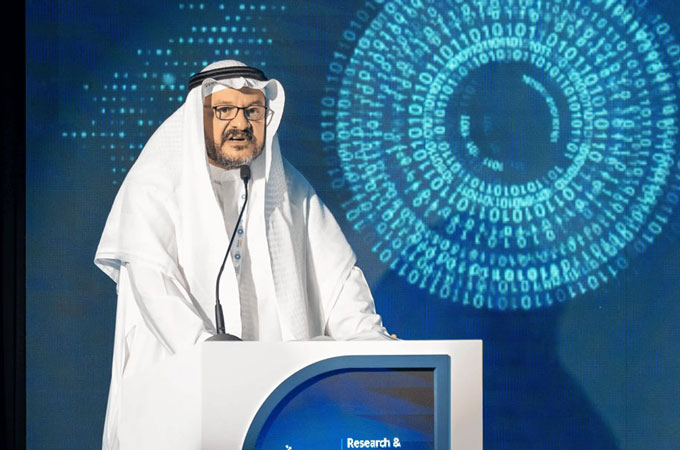
 Ahmad O Al-Khowaiter
The next phase of industrial growth will depend not only on developing new technologies, but on the ability to translate innovation into impact, scale it effectively, and build the capabilities needed to sustain it.
This was the view of speakers at the 8th Gulf Petrochemicals and Chemicals Association (GPCA) Research and Innovation Conference, which took place for the first time in Saudi Arabia from September 16 to 17, 2026 at Le Méridien Al Khobar.
Welcoming delegates on Day 1, Dr Waleed Ahmad Al-Shalfan, VP for Corporate Sustainability, Sabic T&I, and Chairman, Research and Innovation Committee, GPCA, highlighted the industry’s role as a key contributor to non-oil GDP, as the region accelerates its drive toward economic diversification.
Enabling environment
Government, legal professionals, industry and the wider innovation ecosystem have a crucial part to play in creating an enabling environment for innovation and intellectual property protection, Dr Al-Shalfan noted.
Delivering a ministerial address, Dr Majid Algwaiz, Deputy Minister of Development & Project Management, Ministry of Energy, Saudi Arabia, highlighted the importance of academia-industry collaboration, technology roadmaps, global partnerships and industry-led scale-up in building competitive national technology capabilities.
Dr Algwaiz positioned government as an enabler of innovation, creating the frameworks, partnerships and ecosystems needed for developing technologies, while emphasizing the role of industry in scaling innovation.
Economic impact
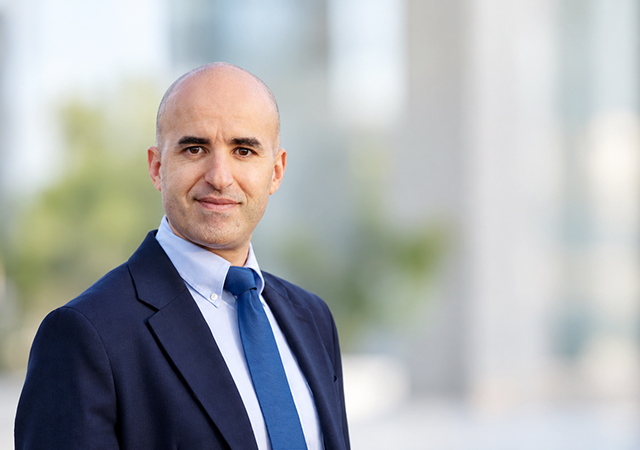
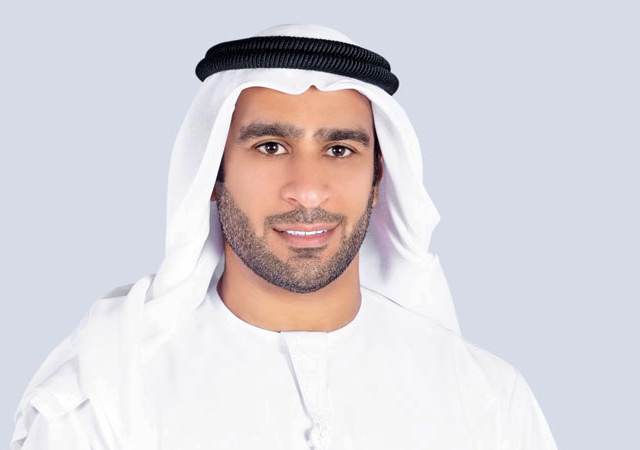
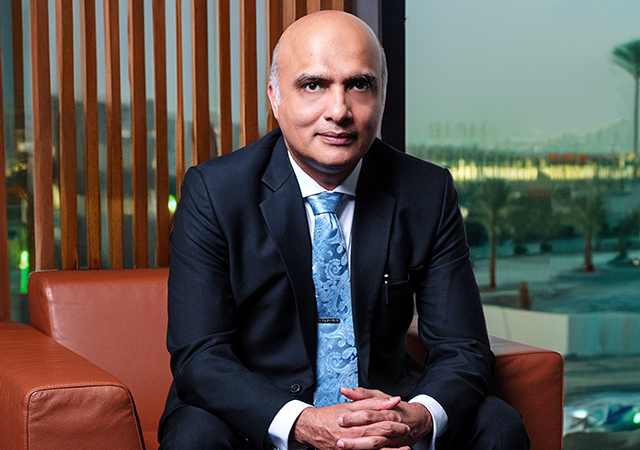
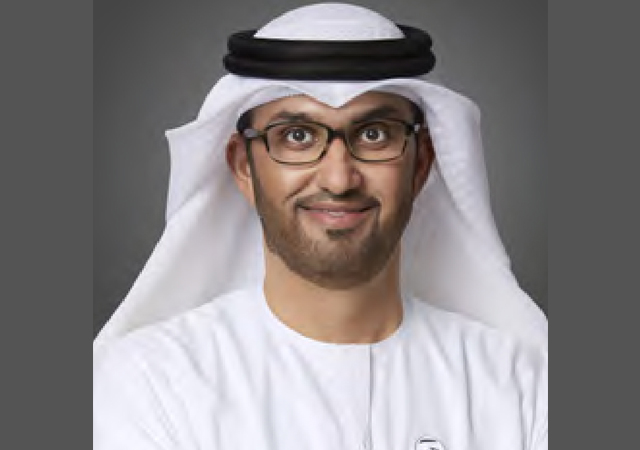
Ahmad O Al-Khowaiter, EVP – Technology & Innovation, Aramco, highlighted the need to connect robust R&D, commercialisation, industrialisation, and talent to turn innovation into lasting economic impact.
The next frontier of innovation is scale, moving breakthrough technologies beyond the laboratory into commercial and industrial deployment, he noted.
Dr Thorsten Loehl, VP – Science & Engineering, Borouge International, echoed this sentiment in his keynote address, adding that the winners of the next decade will be those that can scale innovation faster and more effectively.
With the global AI market projected to grow from $347 billion in 2026 to $1.7 trillion by 2031, Mahdi Aladel, CEO, Aramco Ventures, explored opportunities for investment in AI and the role of venture-capital technology investments in creating competitive advantage.
Prolonged downcycle
As part of her keynote address on Day 2, Dr Alexandra Zakharova, Partner and KSA Chemicals leader, McKinsey & Company, warned of a prolonged downcycle and persistent global overcapacity putting pressure on margins.
Chemical companies will need to focus investment on high-impact opportunities while accelerating AI capabilities and regional collaboration to strengthen competitiveness, she said.
Held under the theme “Innovation that Delivers: Empowering Research and Talent for Tomorrow”, the conference brought together industry, government and academia to discuss the key gaps and enablers for scaling innovation as part of several panel discussions.
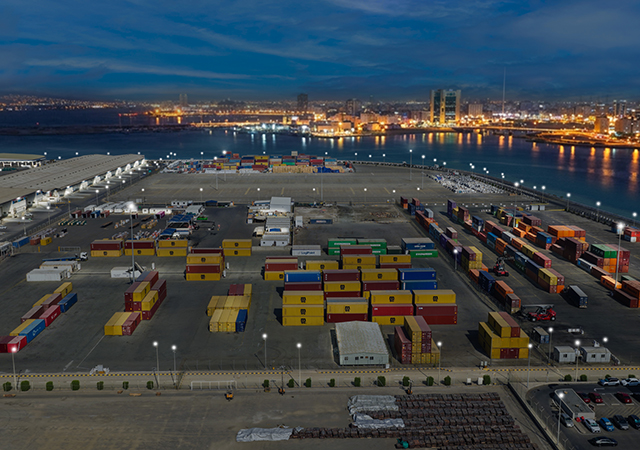
As a major petrochemical hub, exporting 75.8 million tonnes of chemicals annually, speakers underscored the role of co-located public–private hubs in driving cost efficiencies and collaboration. In Saudi Arabia, Jubail Industrial City was highlighted as a leading example for the region and beyond.
Mater Aldhafeeri, Secretary General, GPCA, commented: “As technological, regulatory, and geopolitical forces reshape competitive dynamics, scaling innovation will be increasingly critical to creating value, responding to emerging challenges and maintaining competitiveness. At the same time, the industry must develop the capabilities required to move ideas from research to deployment and develop the talent needed to turn innovation into lasting industrial impact.”—TradeArabia News Service