





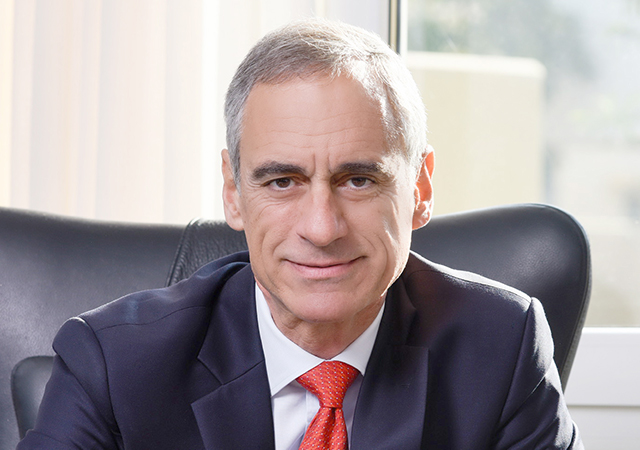


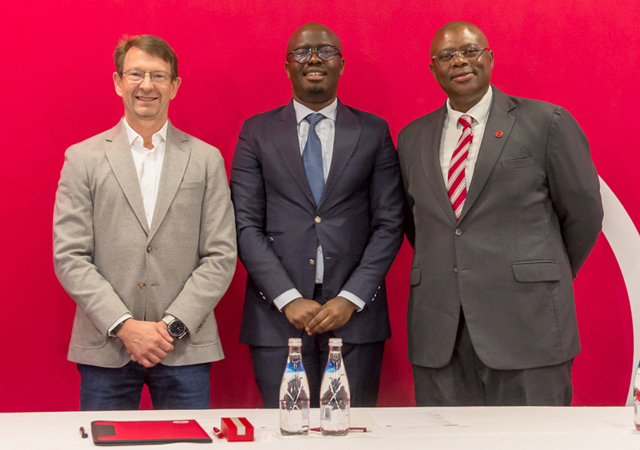

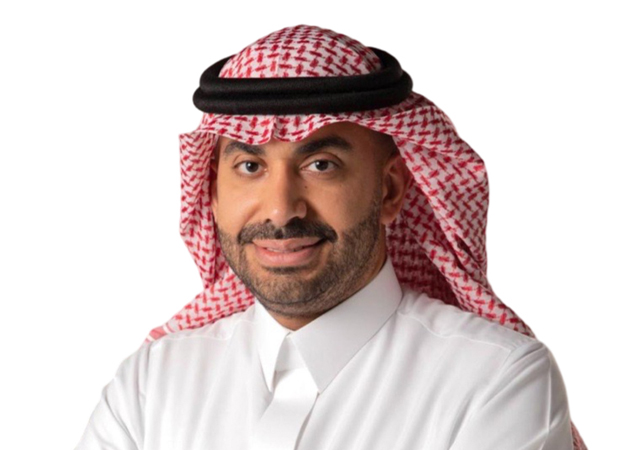
 Saud Alsulaimani, Country Lead and Head of Capital Markets for Saudi Arabia at JLL.
As global trade routes shift and manufacturing investment accelerates, Saudi Arabia is emerging as one of the region’s most dynamic industrial and logistics hubs.
The Kingdom’s industrial transformation is gathering pace. Once primarily known as an energy powerhouse, Saudi Arabia is increasingly establishing itself as a manufacturing, logistics and supply chain centre, with new data pointing to sustained industrial expansion and growing investor confidence.
According to JLL’s latest KSA Industrial Market Dynamics Q2 2026 report, the number of industrial establishments across Saudi Arabia reached approximately 13,660 in April 2026, up from 12,289 a year earlier.
The increase reflects not only the country’s ongoing industrial diversification efforts under Vision 2030, but also a broader shift in regional and global supply chains that is creating fresh opportunities for manufacturers, distributors and logistics operators.
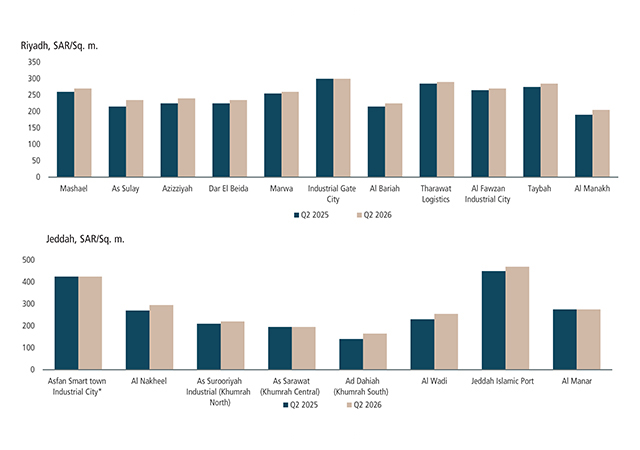
Industrial occupancy remains above 90 per cent across Riyadh, Jeddah and Dammam, reflecting strong demand for production and logistics space.
The growth story is unfolding against a backdrop of changing trade dynamics. Companies across industries are increasingly reassessing supply chain strategies, prioritising resilience, connectivity and market access. Saudi Arabia, with its strategic location linking Asia, Africa and Europe, is benefiting from these evolving priorities.
Factories, Warehouses and Industrial Parks in High Demand
The rapid growth in industrial establishments is translating directly into demand for manufacturing facilities, warehouses and logistics assets across the Kingdom’s key industrial centres.
Occupancy levels in Riyadh, Jeddah and the Dammam Metropolitan Area (DMA) remained above 90 per cent during the second quarter of 2026, highlighting the strength of demand from industrial occupiers. Manufacturers, third-party logistics providers and distribution companies continue to compete for high-quality industrial space, particularly within the Grade A segment.
This sustained demand has pushed rental rates higher across all major markets. Jeddah recorded a 4.8 per cent increase in average rents, while Riyadh saw rents rise 3.9 per cent, with Industrial Gate City commanding some of the highest rates in the market. The DMA posted the strongest growth, with average rents climbing 6.9 per cent.
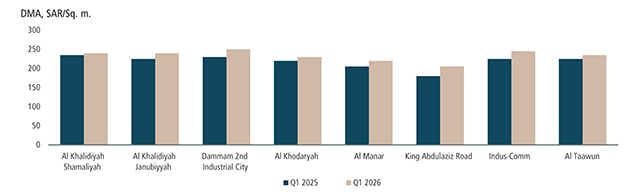
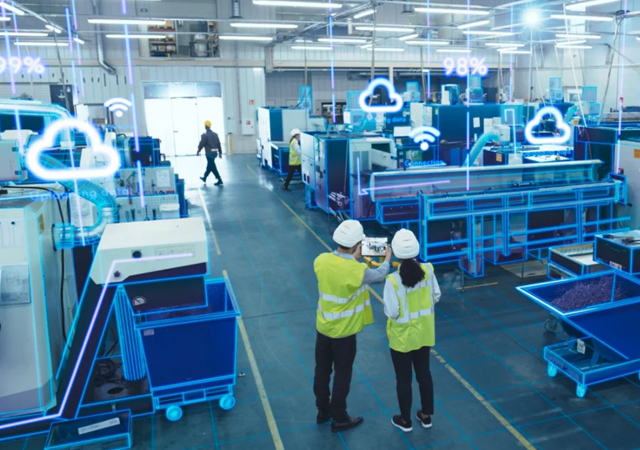
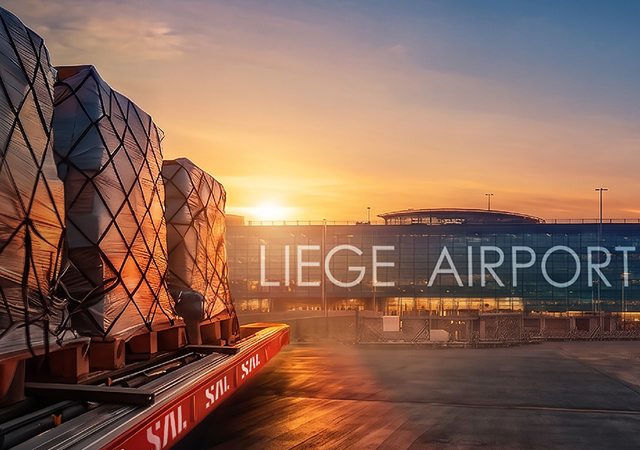
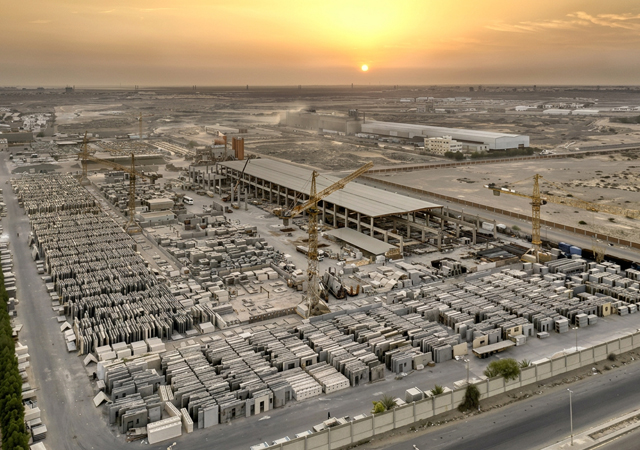
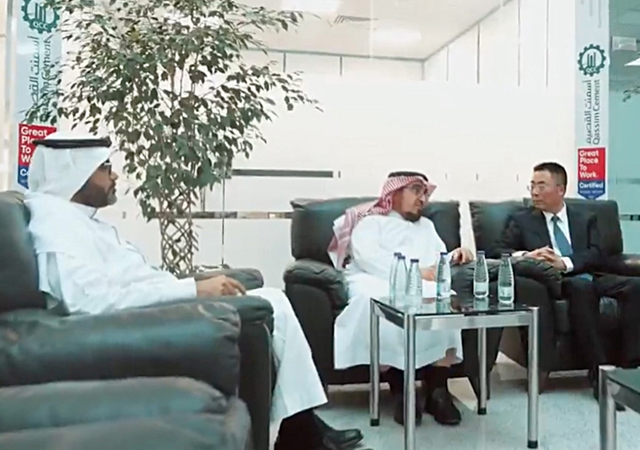
Industrial establishments reach 13,660 in Q2 2026, highlighting continued expansion of the Kingdom’s manufacturing ecosystem.
The trend points to a market where industrial expansion is outpacing available high-specification supply. For investors and developers, it represents a clear signal that demand for modern manufacturing and logistics infrastructure remains robust.
Supply Chain Rerouting Creates New Opportunities
One of the most significant developments shaping the industrial landscape has been the rerouting of regional cargo flows toward Saudi Arabia’s western ports.
Recent disruptions to traditional shipping routes have prompted logistics operators and global carriers to seek alternative gateways. As a result, facilities such as Jeddah Islamic Port and King Abdullah Port have experienced increased strategic importance within regional supply chains.
The launch of Mediterranean Shipping Company’s (MSC) Middle East Express service, providing a direct connection between Europe and Saudi Arabia’s Red Sea ports, has further strengthened the Kingdom’s role in international trade networks.
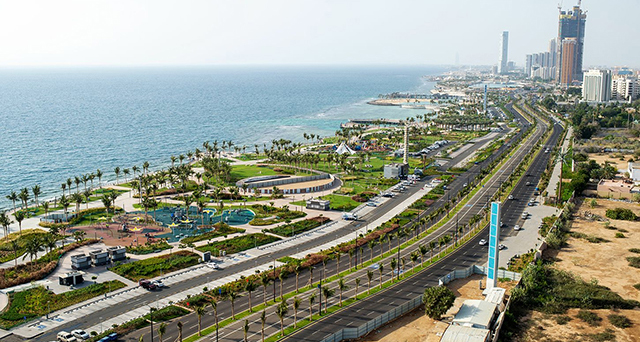
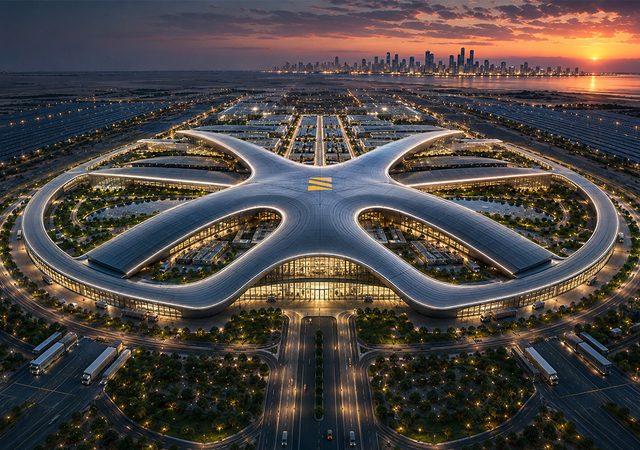
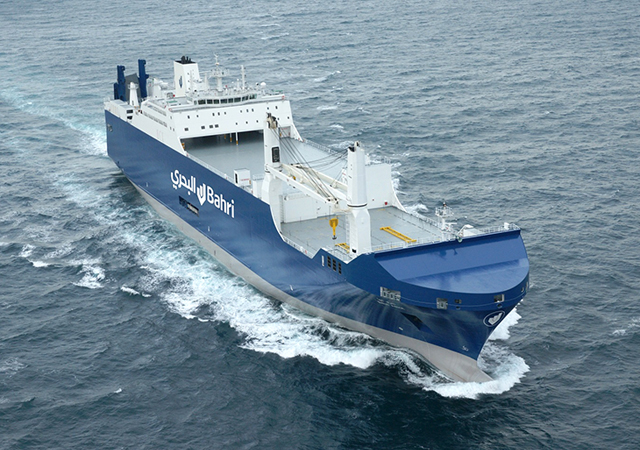
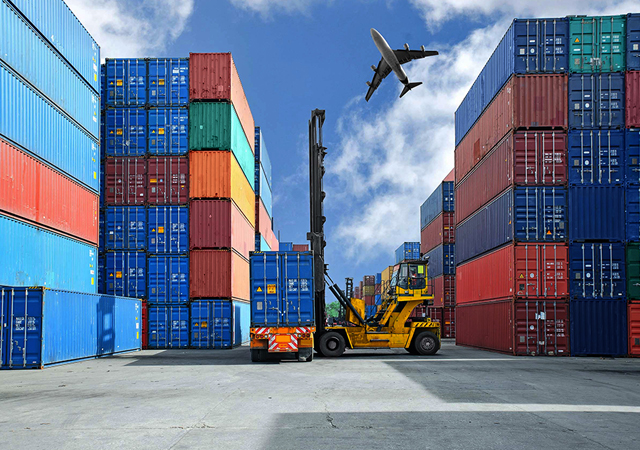
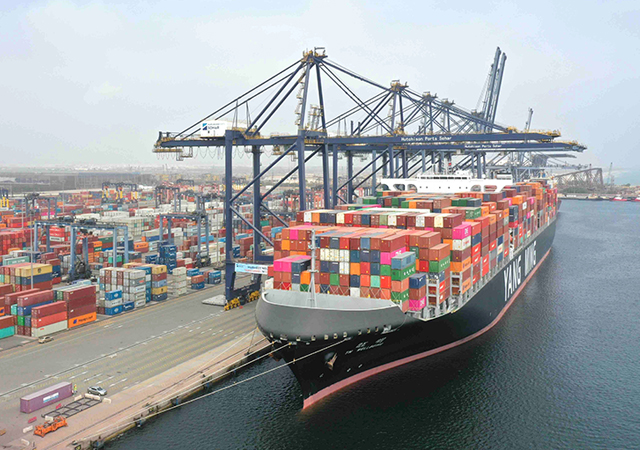
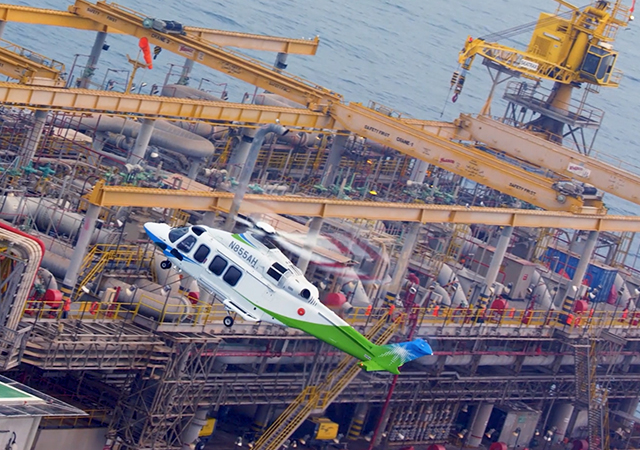
Diversion of global cargo routes boosts activity at western ports, strengthening industrial supply chains and distribution networks.
The impact extends beyond the ports themselves. Increased cargo throughput drives demand for warehousing, distribution centres, cold storage facilities, industrial parks and value-added logistics services. For manufacturers, stronger port connectivity also improves access to export markets while reducing supply chain risks.
Industry observers believe that even if regional shipping conditions eventually stabilise, Saudi Arabia is likely to retain a significant share of the trade volumes redirected to its ports. This could have lasting implications for industrial development along the Kingdom’s western corridor.
Vision 2030 Driving Industrial Momentum
Behind the growth lies a broader national strategy. Vision 2030 continues to serve as a catalyst for industrial development through investments in infrastructure, logistics, manufacturing and special economic zones.
The Kingdom has been steadily expanding its industrial ecosystem through new industrial cities, enhanced transport networks and upgrades to port infrastructure. These investments are creating the foundations for sectors ranging from advanced manufacturing and food processing to pharmaceuticals, chemicals and logistics.
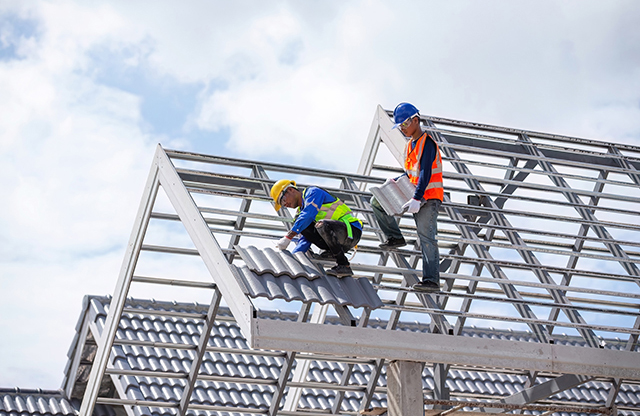
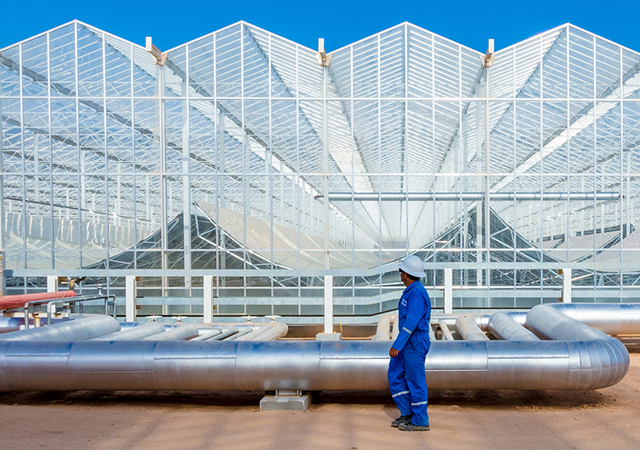
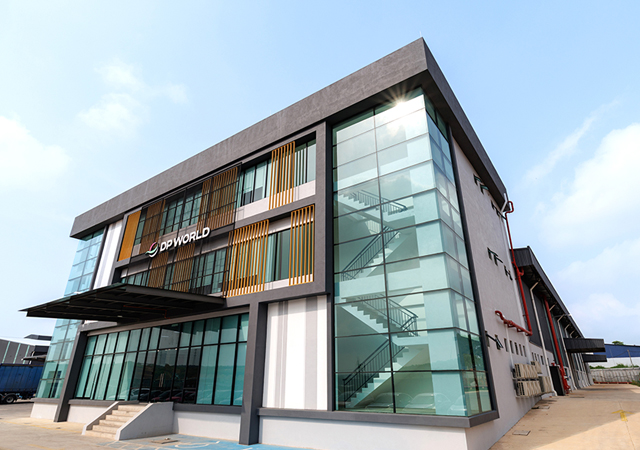
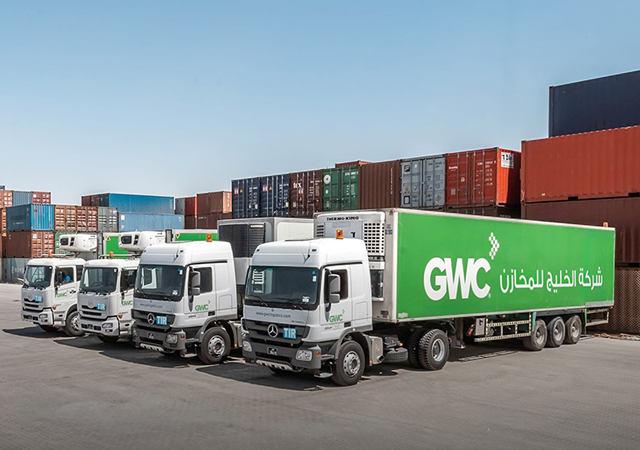
The industrial expansion is translating into stronger demand for factories, warehouses and logistics facilities.
According to JLL, this combination of government support, infrastructure development and private-sector participation is strengthening Saudi Arabia’s position as a regional production and distribution hub.
“Saudi Arabia’s industrial and logistics sectors are benefiting from strategic infrastructure investment, expanding port capacity and government-led industrial development initiatives,” noted Saud Al Sulaimani, CEO and Head of Capital Markets, KSA at JLL. “These factors are creating long-term demand for modern industrial and logistics facilities.”
The Road Ahead
Looking ahead, market fundamentals remain positive. While additional industrial and logistics supply is expected to enter the market in the coming years, demand continues to be supported by manufacturing expansion, logistics investment and growing trade activity.
For industrial operators, the challenge increasingly lies in securing modern facilities in strategically located markets. For developers and investors, the Kingdom presents one of the region’s most compelling industrial real estate opportunities.
More importantly, the growth in factory numbers tells a larger story. It reflects the evolution of Saudi Arabia from a market centred largely on energy production to one that is building a diversified industrial base capable of supporting regional and global supply chains.
As trade routes evolve and manufacturers seek resilient operating environments, Saudi Arabia’s expanding industrial footprint suggests the Kingdom is becoming not merely a transit point for goods, but a critical hub for production, storage, distribution and industrial value creation across the region.