




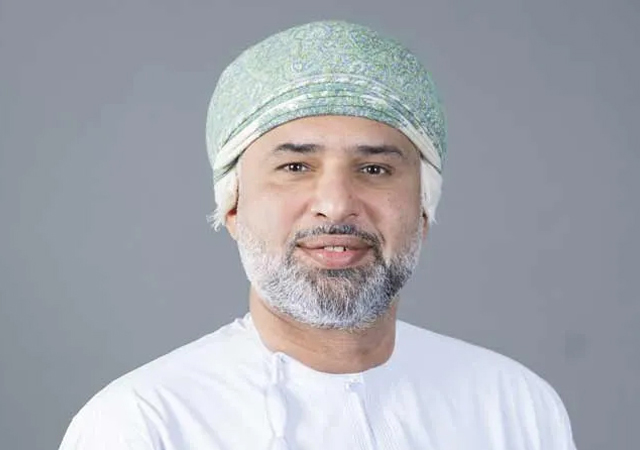
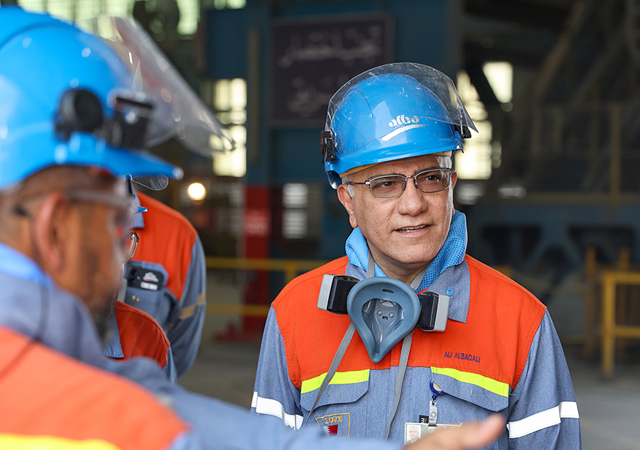

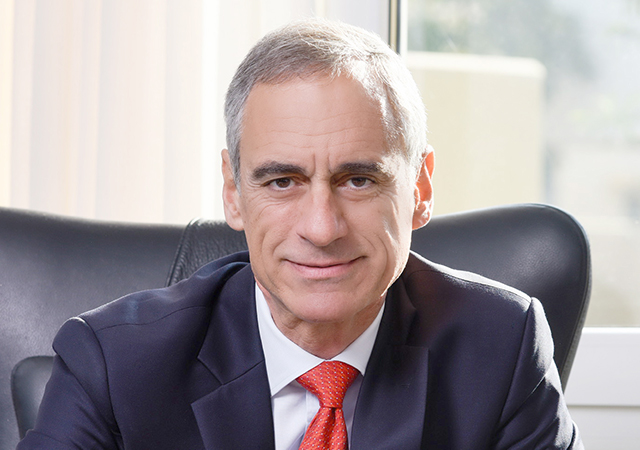




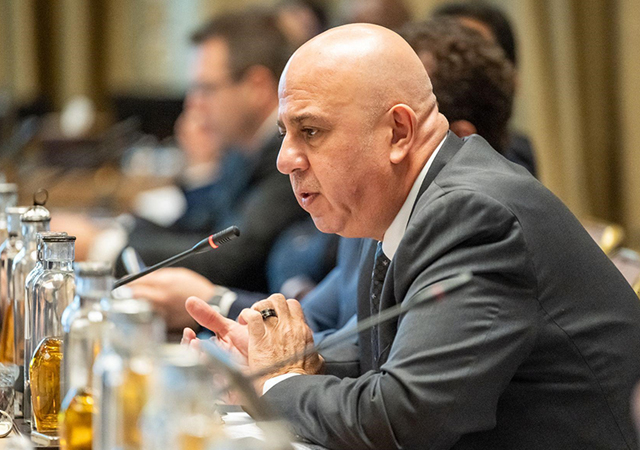
 Dupin: hopeful of greater participation in the initiative
Kuwait will “soon” be the latest GCC state to join the World Bank-led Global Gas Flaring Reduction (GGFR) partnership, a senior official of the initiative has said.
Fabrice Mosneron Dupin, GGFR advisor, World Bank Sustainable Energy Departments oil, gas and mining unit (Segom), said Kuwait was an “excellent candidate” having made important progress in reducing gas flaring. “We are discussing with the Kuwaiti authorities and will be soon in a position to give you good news on this,” he added.
Qatar was the first GCC state to join the initiative and was welcomed into it in January 2009. The partnership’s list includes the UAE as another member from the grouping. Qatar Petroleum and Masdar are also listed among companies and organisations in the initiative.
About why several major oil producing nations and oil companies in the Arabian Gulf and wider Middle East had still not come aboard, Dupin said it was just a matter of taking the time to explain to potential partners the initiative’s role and objectives.
Dupin acknowledged there was complexity in methodologies for qualification for carbon credits within the framework of the Clean Development Mechanism but that the GGFR partnership was working at simplification and had made progress.
He also said one of the main challenges facing the partnership was the low price of gas. The Gulf area flares some 30 billion cubic meters (bcm) per year, about 22 per cent of the current global volumes.
The following are the replies sent by Dupin to a Gulf Industry questionnaire:
 |
We understand that Kuwait was to join the GGFR partnership. Has this happened? Can we have an update on the matter? What are the hitches preventing its coming on board?
Kuwait has made important progress in reducing gas flaring over the past few years and continues to work on further reductions. Kuwait is therefore an excellent candidate to join our partnership. We are discussing with the Kuwaiti authorities and will be soon in a position to give you good news on this.
Which are the major oil producing nations/national oil companies in the Arabian Gulf and Middle East still to join the partnership despite your organisation’s efforts? Do you have an insight into why they have still not done so?
We have several partners in the Arabian Gulf including Iraq and Qatar, and have positive discussions with several others. We should be able to announce more partnerships soon. We believe that all GCC countries should join the World Bank-led GGFR partnership since they all share the concern that gas flaring is not an acceptable practice anymore. Gas flaring wastes valuable resources that are critically needed in the region, and also harms the environment by emitting greenhouse gases. It is just a matter of taking the time to explain to our potential partners our role and objectives so that they are confident of the value the GGFR partnership can bring to them.
What special steps is the GGFR taking to have them come aboard? What are the prospects that they will join within a year or so?
Our strongest argument is the quality of the cooperation we have entertained with our partners, and the results we obtain with them. Our GGFR partners are achieving larger reductions in gas flaring than other non-partner countries or companies. For the fifth consecutive year, for instance, flaring of gas associated with oil production has dropped worldwide: between 2005 and 2010, it decreased by 22 per cent from 172 bcm to 134 bcm, according to latest satellite estimates. Last year’s reductions of 13 bcm of gas flared occurred despite a two-million barrel-a-day increase in crude oil production over the same period. We are hoping that these concrete results will encourage more countries and companies in the Middle East and GCC regions to join the global efforts to reduce gas flaring.
What inadequacies have been voiced in methodologies for qualification for carbon credits within the framework of the Clean Development Mechanism? How is the issue being resolved?
The main issue here is the complexity of these methodologies and their applicability to oil and gas projects. We work very closely with the United Nations Framework Convention on Climate Change (UNFCCC) and other partners to try to simplify these methodologies and make them more practical for oil and gas projects, particularly gas flaring reduction projects, so that they can qualify for carbon credits. There are various issues to work on, but we are making some progress.
Are there any other issues that need to be resolved so those oil producing states/national companies will come on board?
No other issues.
What are the greatest challenges facing the partnership and how is it responding?
One of the greatest challenges, particularly in the Middle East, is the low price of gas which, in many countries, does not allow to economically justify the needed investments to recover the flared gas and bring it to markets. The solutions have to be devised on a case by case basis, but the growing gas deficit that most countries in the region are experiencing will require the adoption of more realistic pricing policies.
Do you have figures to show the extent of flaring in the region comprising the Arabian Gulf and its neighbors, including Iraq and Iran? What is the reduction in flaring in this part of the world in the past three years? Would you say this reduction occurred because of the partnership’s efforts or were there other reasons for the reduction?
The Gulf area flares some 30 bcm per year, about 22 per cent of the current global volumes. This figure has been somewhat stable in the past five years. The progress of some countries like Qatar, our first GGFR partner in the region, has been offset by a gas flaring increase in Iraq. Progress in our partner countries often results from a combination of a strong political will to tackle the flaring issue, and effective cooperation between the country’s regulator and the oil companies which have to invest in and implement the gas flaring reduction projects. Our role is to facilitate this cooperation and to help them find viable solutions to gas flaring. So we can say that we have contributed to this progress, in cooperation of course with government authorities and the private sector. Gas flaring reduction requires a real multi-stakeholder team effort.
How would you respond to the contention that flaring could be a relatively minor pollutant to the world’s atmosphere compared to other pollutants?
Contrary to other GHG emissions, flaring emissions come from a pure waste of resources, without producing any kind of energy. In addition, these emissions can be effectively reduced through targeted interventions, including the right mix of policies and incentives. To put this in perspective, let’s consider the following:
Global emissions from gas flaring alone are almost two-thirds of the annual Certified Emissions Reductions (624 million tonnes) currently issued under the Kyoto’s Clean Development Mechanisms (as of June 2011).
Gas flaring emissions in some oil-producing countries (such as Nigeria) represent about one third of their total CO2 emissions.
Do you see major gains being chalked up by the partnership in the next two years?
We hope to continue seeing the downward trend in gas flaring around the world, particularly in countries like Russia and Nigeria. Iraq represents one of our biggest challenges because flaring volumes could continue to increase there as oil production ramps up. We will try to help the country authorities and the operators to curb this trend. That’s why it is critical that oil companies and the government in Iraq remain focused on finding viable solutions to gas flaring, particularly for much needed power generation in the country. As GGFR partnership, we stand ready to help them in that direction.
In the Mena region, we also foresee further good progress in Qatar and Kuwait, with new flare reduction projects being developed there.
What has been the World Bank’s investment so far in the GGFR partnership and what investment does it foresee in the next two years from its side?
The GGFR is a World Bank-led partnership and so we are hosting the initiative and the small team that manages it in our headquarters in Washington DC. We also contribute the same amount of funds as any other government or company donors do. Beyond any dollar figure, however, the critical thing to remember is that the World Bank-led GGFR partnership facilitates viable solutions for gas flaring reduction and helps partners unlock the value of currently wasted natural gas to improve energy efficiency, expand access to energy, and contribute to climate change mitigation and sustainable development.

