
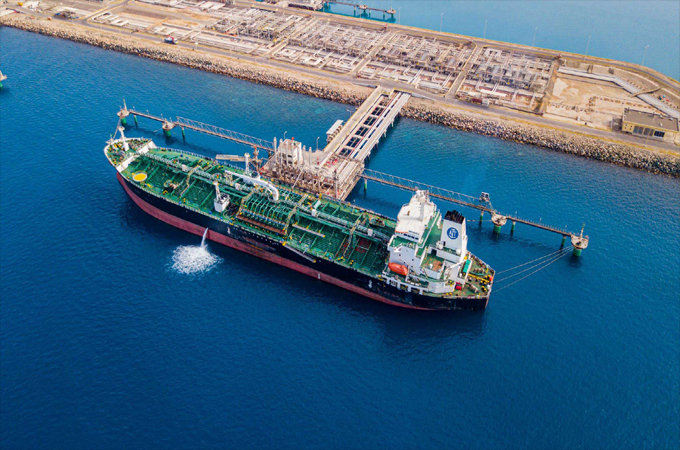
King Fahad Industrial Port in Yanbu has received a major shipment of wind energy equipment as part of Saudi Arabia’s ongoing efforts to expand renewable energy capacity.
In coordination with the Ministry of Energy and relevant
authorities, the port welcomed the vessel Pacific Titan, which transported nine
complete wind turbines along with their components and accessories for upcoming
renewable energy projects.
The shipment included 27 turbine blades and additional
equipment required for wind-based electricity generation.
The components are designated for the Starah and Shaqra wind
energy projects, which are part of the Kingdom’s National Renewable Energy
Programme aimed at diversifying energy sources and increasing the contribution
of renewable energy to electricity generation.
The programme is supervised by the Ministry of Energy
through the Saudi Power Procurement Company (SPPC), the Principal Buyer
responsible for conducting project studies, managing tenders, and signing Power
Purchase Agreements and Energy Storage Service Agreements with developer
consortia.
The arrival of the shipment highlights the growing role of
Saudi Arabia’s ports and logistics infrastructure in supporting large-scale
renewable energy developments.
The consignment is among the largest wind energy project
shipments handled by King Fahad Industrial Port, requiring specialised
operational procedures due to the size and complexity of the cargo.
Located on the Red Sea coast, King Fahad Industrial Port in
Yanbu is equipped to accommodate specialised vessels and handle oversized and
heavy cargo, reinforcing its position as a key logistics hub for industrial and
energy projects.
The successful handling of the shipment reflects the efforts
of the Saudi Ports Authority (Mawani) to enhance port capabilities, improve
supply chain efficiency, and support the objectives of the National Transport
and Logistics Strategy and Saudi Vision 2030.
The Kingdom aims to increase renewable energy’s share of the electricity generation mix to around 50 per cent by 2030, subject to future electricity demand growth. -TradeArabia News Service