
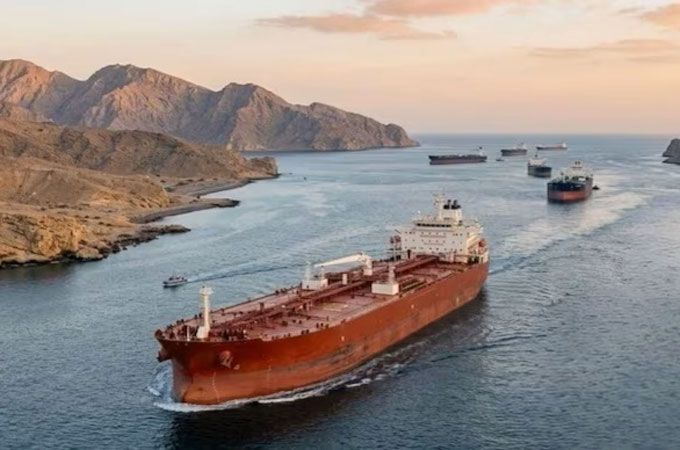
The International Trade Centre (ITC) has warned that disruptions to shipping through the Strait of Hormuz were weighing on global trade, exposing the vulnerability of supplies of energy, fertilisers and industrial inputs to one of the world's busiest maritime chokepoints.
In a report analysing April 2026 trade data, the ITC said exports of several strategic commodities fell sharply as the disruption pushed up energy, transport, insurance and production costs.
Liquefied natural gas exports dropped 95% in April, while urea fertiliser exports fell 83%, the joint agency of the World Trade Organization (WTO) and the United Nations stated in the report.
Although a recent easing of tensions in the Middle East has raised expectations of a full resumption of shipping through the Strait of Hormuz, maritime traffic remains below normal levels and the timing of a sustained recovery remains uncertain, the ITC said.
Japan, which sources 91% of its crude oil imports from economies that rely on the Strait of Hormuz, recorded a 64% decline in total imports in April, stated the report.
According to ITC, the economic impact extends beyond cargo shipments with higher energy prices, freight rates, marine fuel costs, and insurance premiums driving up production and transportation costs.
Rerouting vessels through alternative routes is prolonging delivery times and increasing congestion at ports and other shipping corridors, with the added costs ultimately passed on to consumers, it stated.
The ITC also warned that rising fertilizer costs could affect agricultural production and food prices, particularly in import-dependent fragile economies.
Disruption to navigation through the Strait of Hormuz has exposed the vulnerability of global supplies of energy, fertilizers, and industrial inputs to a single maritime chokepoint, it added.