
The United Arab Emirates is accelerating efforts to strengthen alternative trade corridors, improve customs systems and expand regional shipping connectivity as it works to protect supply chains and reinforce its position as a trusted global logistics hub amid continuing regional disruptions.
At a high-level coordination meeting in Dubai, Dr Thani bin Ahmed Al Zeyoudi, Minister of Foreign Trade, said the country is advancing alternative cargo routes and modern operational frameworks to ensure uninterrupted movement of essential and strategic goods.
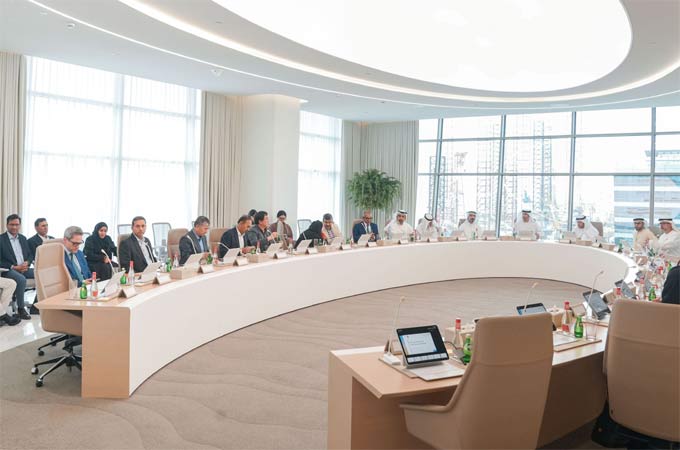
The meeting, hosted by Ports, Customs and Free Zone Corporation at its headquarters, brought together senior executives from international shipping lines, maritime associations and logistics sector leaders to review measures addressing current regional supply chain pressures, according to a report by Emirates News Agency.
Dr Al Zeyoudi said close coordination among public and private sector stakeholders reflects the UAE’s long-term strategy to deepen regional and international trade cooperation while improving supply chain agility and responsiveness.
He said the UAE remains focused on protecting trade flows through forward-looking solutions designed to address current regional challenges and maintain stability in cargo movement across key trade routes.
The minister added that the country will continue to support regional and global trade stability through targeted initiatives and adaptive policies aimed at improving supply chain performance, resilience and sustainability.
The meeting was attended by Abdulla bin Damithan, Chairman of the PCFC, and Dr Abdulla Busenad, Director General of Dubai Customs, alongside senior leaders from the logistics and maritime sectors.
Bin Damithan said authorities have already made progress since earlier coordination meetings by implementing strategic measures to strengthen cargo resilience, particularly through improving the efficiency of alternative maritime gateways such as Port of Fujairah and Port of Khorfakkan.
He said these ports are playing an increasingly important role in maintaining cargo movement and supporting regional maritime connectivity as shipping operators adapt to changing trade conditions.
According to Bin Damithan, continued cooperation between government entities and private operators remains essential as the sector faces higher transport costs and growing operational complexity.
He added that the latest meeting reviewed recently introduced measures and examined further opportunities for joint action aimed at delivering practical and sustainable improvements in supply chain continuity.
Separately, Dr Busenad outlined customs initiatives designed to accelerate cargo clearance and improve operational efficiency.
These include pilot implementation of the Advance Cargo Information system for green corridor cargo handled through shipping companies, alongside the launch of a new maritime feeder service linking the region with India.
He also said authorities are extending the grace period for re-export cargo, expanding participation in secured land corridors, widening the green corridor to include Saudi Arabia, and offering multiple clearance options to facilitate cargo movement.
Dubai Customs said these measures form part of a wider strategy to improve resilience, strengthen trade continuity and enhance the UAE’s competitiveness as one of the world’s most efficient logistics centres.